Industrial Wire Straightening Systems Explained With Working Principles and Applications
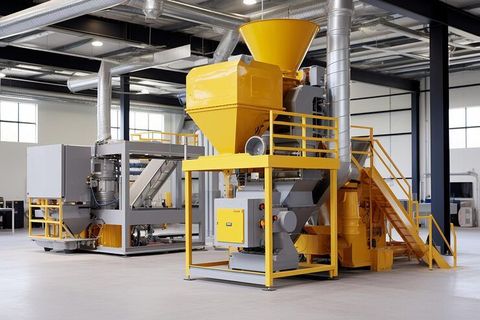
Industrial wire straightening systems are specialized machines designed to remove bends, curves, coils, and unwanted deformation from metal wires. These systems prepare wire materials for manufacturing processes that require consistent alignment, accurate dimensions, and controlled feeding.
Industrial wire straightening systems are commonly used in metal fabrication, construction, automotive manufacturing, electrical equipment production, and industrial component manufacturing.
Metal wire is generally produced through drawing, rolling, coiling, and other manufacturing operations. During these processes, wire materials can develop curved shapes because of mechanical pressure, storage conditions, or continuous winding around reels. Straightening equipment helps correct these conditions by applying controlled mechanical forces that gradually return the wire to a straighter position.
Different machines are designed to handle different wire diameters, material properties, and production requirements. Some systems process thin steel wires, while others handle thicker metal rods and high-strength industrial materials. Understanding their working principles, components, applications, and operating considerations helps explain their importance in modern manufacturing.
Background of Wire Straightening Technology
Wire straightening technology developed alongside the growth of metalworking and industrial production. Early straightening operations often depended on manual handling and basic mechanical arrangements. As manufacturing requirements became more demanding, specialized equipment was introduced to improve consistency and reduce manual effort.
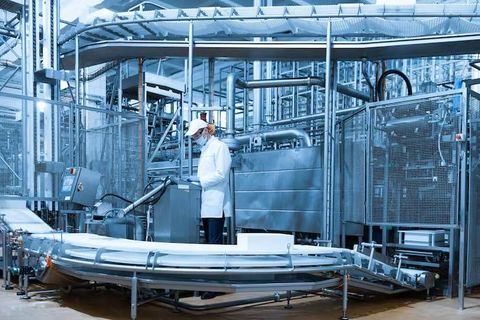
Modern industrial wire straightening machines use roller arrangements, adjustable pressure mechanisms, and controlled feeding systems. Advanced configurations may also include automated measurements and electronic controls that help maintain consistent processing conditions.
Main Types of Industrial Wire Straightening Systems
Different straightening technologies are selected according to the material and intended application.
Roller-type straighteners: Use multiple rollers arranged in alternating positions to remove curves from continuous wire.
Rotary straightening machines: Apply rotational mechanical action to straighten wire materials at controlled speeds.
Multi-roll straightening systems: Use several rollers to distribute pressure across the wire and improve alignment.
CNC wire straightening machines: Combine electronic controls and programmable settings for repeatable straightening operations.
Bar and rod straighteners: Handle thicker metal materials used in structural and industrial manufacturing.
Each configuration has different operating characteristics, making machine selection dependent on wire diameter, material hardness, production volume, and required straightness.
Why Industrial Wire Straightening Systems Matter
Straight wire materials are important for manufacturing processes that depend on accurate positioning and predictable material movement. Bent or uneven wire can create difficulties during cutting, bending, welding, forming, and assembly operations. Industrial wire straightening systems address these challenges by preparing raw materials for subsequent production stages.
Manufacturing facilities use straightened wire in products such as fasteners, reinforcement components, metal frames, springs, mesh panels, and electrical conductors. Consistent wire alignment can also help reduce feeding interruptions and dimensional variations during automated production.
Industries That Use Wire Straightening Equipment
Several industrial sectors depend on straightened wire materials for regular manufacturing activities.
Construction: Steel wire is processed for reinforcement products, welded mesh, concrete-related components, and structural applications.
Automotive manufacturing: Straightened metal wire is used in springs, clips, fasteners, seating components, and various formed parts.
Electrical manufacturing: Copper and other conductive wires require controlled alignment before cutting, winding, and assembly.
Furniture production: Metal wires are processed for frames, support structures, springs, and decorative components.
Industrial fabrication: Straightened wire supports the production of metal baskets, grids, fencing, and fabricated assemblies.
Agricultural equipment: Metal wire is used in fencing materials, support structures, and equipment components.
Common Manufacturing Challenges
Wire straightening operations address several material-handling problems. Wire stored in coils may retain curved shapes, while mechanical processing can introduce residual stresses and uneven deformation.
Common challenges include:
Irregular wire alignment during automatic feeding.
Surface marks caused by excessive roller pressure.
Dimensional variations after repeated mechanical processing.
Material breakage when unsuitable pressure is applied.
Production interruptions caused by inconsistent wire movement.
Different straightening requirements for soft and high-strength materials.
Proper machine adjustment and material compatibility are important for controlling these issues.
Important Machine Components
Component | Main Function |
|---|---|
Feeding mechanism | Guides wire into the machine |
Straightening rollers | Apply controlled mechanical pressure |
Drive motor | Supplies mechanical movement |
Roller adjustment unit | Controls roller positioning and pressure |
Cutting mechanism | Separates processed wire into required lengths |
Control panel | Manages operating settings |
Discharge section | Guides straightened wire out of the machine |
The arrangement and complexity of these components vary according to machine design and production requirements.
Recent Developments in Wire Straightening Technology
Industrial wire straightening technology continues to develop through automation, electronic monitoring, improved mechanical design, and integration with connected manufacturing equipment. Recent industry trends from 2024 to 2026 reflect the wider movement toward more controlled and digitally monitored production environments.
Automation and Digital Controls
Modern wire straightening equipment increasingly incorporates programmable logic controllers, digital displays, and electronic adjustment systems. These technologies allow operators to configure processing parameters according to material specifications.
Automated controls can coordinate wire feeding, straightening, cutting, and material discharge. This arrangement helps manufacturing facilities maintain more consistent production sequences and reduces the need for repeated manual adjustments.
Precision Roller Technology
Roller design remains an important area of machine development. Improved roller arrangements and adjustment mechanisms help distribute pressure more consistently across the wire.
Manufacturers also consider roller surface characteristics, alignment accuracy, and mechanical stability when developing industrial straightening equipment. These factors influence wire movement, surface quality, and dimensional consistency.
Integration With Smart Manufacturing
Some advanced production environments connect wire straightening machines with digital manufacturing systems. Sensors can monitor selected operating conditions, while connected controls provide information about machine performance.
Current development areas include:
Digital monitoring of machine operating conditions.
Automated wire length measurement.
Programmable production settings.
Integration with automatic cutting equipment.
Production information tracking.
Predictive maintenance based on equipment condition.
These developments reflect a broader industrial movement rather than a single technology being adopted across every manufacturing facility.
Regulations and Industrial Safety Policies
Industrial wire straightening systems operate within manufacturing environments that are influenced by machinery safety requirements, workplace regulations, and material-handling standards. Applicable rules depend on the country, machine configuration, and industrial application.
Machinery Safety Requirements
Manufacturing facilities generally need to consider machine guarding, electrical protection, emergency stopping arrangements, and operator safety. Moving rollers, rotating components, feeding mechanisms, and cutting units can create mechanical hazards.
Common safety considerations include:
Installing protective guards around moving components.
Providing accessible emergency stopping controls.
Preventing accidental contact with feeding rollers.
Maintaining appropriate electrical protection.
Using clear operating instructions and warning labels.
Conducting regular equipment inspections.
International Standards and Workplace Guidelines
Several international frameworks influence industrial machinery design and workplace safety.
ISO 12100 provides principles for machinery risk assessment and risk reduction. ISO 13849 addresses safety-related parts of control systems, while IEC 60204-1 covers electrical equipment used in machinery.
In the United States, workplace machinery safety requirements are also influenced by Occupational Safety and Health Administration (OSHA) regulations. In other regions, national machinery legislation and applicable conformity assessment requirements may apply.
Manufacturers and facility operators need to identify the requirements relevant to their equipment and operating location. Compliance depends on the actual machine design, installation, and working environment.
Tools and Resources for Wire Straightening Operations
Industrial wire straightening requires appropriate measurement equipment, machine controls, and maintenance resources. These tools help operators understand material characteristics and maintain consistent processing conditions.
Common Measurement and Operating Tools
Digital calipers: Measure wire diameter and identify dimensional variations.
Micrometers: Provide more detailed measurements of wire thickness.
Straightness measuring equipment: Helps evaluate wire alignment after processing.
Tension measurement devices: Monitor selected wire-handling conditions.
Digital control panels: Configure feeding speed, roller positions, and production settings.
Inspection gauges: Support dimensional checks during quality control.
Technical Resources and Planning Platforms
Machine manufacturers generally provide technical manuals containing operating instructions, maintenance schedules, component specifications, and adjustment information. These documents help operators understand the machine's operating limits.
Computer-aided design software can also support equipment layout planning and production-line integration. Manufacturing execution systems and production monitoring platforms help organize production information, track material movement, and record equipment performance.
Factors to Consider When Evaluating Equipment
Selecting an industrial wire straightening system involves understanding the material and manufacturing requirements.
Evaluation Factor | Why It Matters |
|---|---|
Wire diameter | Determines compatible roller and feeding arrangements |
Material type | Influences mechanical pressure requirements |
Material hardness | Affects straightening behavior |
Production speed | Determines processing capacity |
Straightness tolerance | Defines the required alignment accuracy |
Surface quality | Helps prevent unwanted marks or deformation |
Automation level | Determines the amount of operator involvement |
Maintenance requirements | Influences equipment inspection planning |
These factors help establish whether a particular machine configuration is suitable for an intended production process.
Frequently Asked Questions
What Are Industrial Wire Straightening Systems?
Industrial wire straightening systems are machines that remove bends and curves from metal wire using controlled mechanical pressure. They prepare wire materials for cutting, forming, welding, and other manufacturing operations.
How Does an Industrial Wire Straightening Machine Work?
An industrial wire straightening machine guides material through multiple rollers positioned at different angles. These rollers apply controlled pressure in alternating directions, gradually reducing the wire's original curvature.
Which Industries Use Automatic Wire Straightening Machines?
Automatic wire straightening machines are used in automotive manufacturing, construction, electrical equipment production, furniture manufacturing, agricultural equipment production, and general metal fabrication.
What Materials Can Wire Straightening Equipment Process?
Depending on machine specifications, wire straightening equipment can process carbon steel, stainless steel, copper, aluminum, and other metal materials. The compatible material range depends on wire diameter, hardness, tensile properties, and machine configuration.
What Factors Affect Wire Straightening Accuracy?
Straightening accuracy depends on roller alignment, applied pressure, wire diameter, material hardness, feeding speed, and initial deformation. Regular inspection and appropriate machine adjustments help maintain consistent processing conditions.
Conclusion
Industrial wire straightening systems play an important role in preparing metal wire for modern manufacturing applications. Their working principles involve controlled roller pressure, mechanical alignment, and regulated material feeding. Automation, digital monitoring, and improved roller technology continue to influence equipment development. Understanding machine components, industrial applications, safety requirements, and material characteristics provides a foundation for evaluating wire straightening processes.