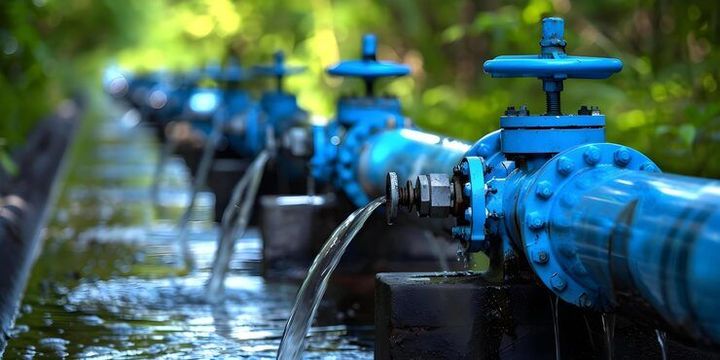
Water Conservation Equipment Information With Efficient Irrigation and Wastewater Management
Water conservation equipment plays an important role in managing water resources through efficient irrigation, controlled distribution, storage, and wastewater treatment. These systems help households, agricultural operations, commercial facilities, and industries reduce unnecessary water use while maintaining their daily activities.
Water conservation equipment includes drip irrigation systems, rainwater harvesting units, water meters, filtration systems, wastewater treatment plants, and automated water management controls.
The need for water conservation has increased because freshwater resources are limited and unevenly distributed. Population growth, urban development, industrial activities, and changing weather patterns place additional pressure on available water supplies. Water conservation technologies help address these challenges by improving how water is collected, distributed, reused, and monitored.
What Is Water Conservation Equipment?
Water conservation equipment refers to machines, devices, and systems designed to reduce water wastage and improve water management. These technologies can be used in agricultural fields, residential buildings, commercial properties, factories, and public infrastructure.
Different systems perform different functions. Some control water flow, while others collect rainwater, remove impurities, or treat wastewater for suitable reuse.
Common examples include:
Drip irrigation systems: Deliver water directly near plant roots through pipes and emitters.
Sprinkler systems: Distribute water through spray nozzles over agricultural fields and landscaped areas.
Rainwater harvesting equipment: Collects and stores rainwater from rooftops or other collection surfaces.
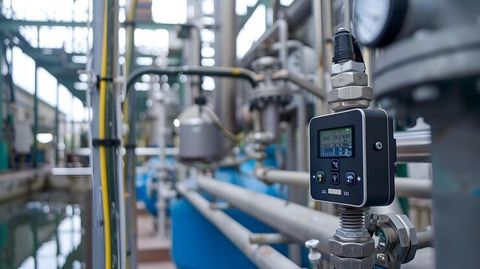
Water meters: Measure water consumption and help identify unusual usage patterns.
Pressure regulators: Maintain suitable water pressure within distribution systems.
Filtration units: Remove selected suspended particles and impurities from water.
Wastewater treatment systems: Process used water so it can be discharged or reused for appropriate purposes.
Development of Water Conservation Technology
Traditional water management relied on open channels, storage tanks, manual irrigation, and basic filtration methods. Although these methods remain useful in certain situations, they can experience water losses through evaporation, leakage, overflow, and inefficient distribution.
Modern water conservation technology combines mechanical equipment, sensors, automated controls, and water treatment processes. These systems allow users to monitor water consumption and manage distribution according to actual requirements.
Digital monitoring and improved filtration technologies have also expanded the applications of water conservation equipment in agriculture, residential infrastructure, and industrial facilities.
Importance of Water Conservation Equipment
Water conservation equipment matters because freshwater is essential for drinking, agriculture, sanitation, manufacturing, and environmental health. Efficient water management helps address supply challenges while supporting the needs of growing communities.
Agriculture is particularly dependent on reliable water distribution. Residential buildings and industries also require suitable water management systems to reduce unnecessary consumption and manage wastewater responsibly.
Importance in Agriculture and Irrigation
Agriculture uses water for crop growth, soil preparation, and livestock activities. Traditional irrigation methods may result in uneven water distribution or losses through evaporation and surface runoff, depending on field conditions.
Efficient irrigation equipment helps distribute water according to crop requirements and soil conditions.
Important applications include:
Drip irrigation: Supplies water close to plant roots and supports controlled application.
Sprinkler irrigation: Distributes water across larger areas using pressurised spray systems.
Soil moisture sensors: Measure moisture levels to help determine irrigation requirements.
Automatic irrigation controllers: Regulate watering schedules according to programmed settings.
Water storage tanks: Store collected water for agricultural use when required.
Importance in Residential and Commercial Buildings
Water conservation equipment is also useful in homes, offices, hotels, educational institutions, and commercial buildings. Leaking pipes, overflowing tanks, and inefficient taps can contribute to unnecessary water consumption.
Common equipment includes low-flow taps, dual-flush toilets, water-efficient showerheads, leak detection devices, and automated tank controls. These systems help manage water use without requiring major changes to everyday activities.
Importance of Wastewater Management
Wastewater management is another important part of water conservation. Water from kitchens, bathrooms, laundry facilities, and industrial operations may contain organic matter, chemicals, suspended solids, and other pollutants.
Treatment systems process this water through physical, biological, or chemical methods. Depending on its quality and intended use, treated wastewater may be reused for gardening, industrial cooling, toilet flushing, or other suitable non-drinking applications.
Common Water Conservation Equipment and Their Applications
| Equipment | Main Function | Common Application |
|---|---|---|
| Drip irrigation system | Controlled water delivery | Agriculture and gardens |
| Sprinkler system | Water distribution through spraying | Farms and landscaping |
| Rainwater harvesting unit | Rainwater collection and storage | Homes and institutions |
| Water meter | Measures water consumption | Buildings and industries |
| Pressure regulator | Controls water pressure | Plumbing networks |
| Filtration system | Removes selected impurities | Water treatment |
| Sewage treatment plant | Treats domestic wastewater | Residential communities |
| Effluent treatment plant | Treats industrial wastewater | Manufacturing facilities |
Recent Developments in Water Conservation Technology
Water conservation technology continues to develop through automation, digital monitoring, efficient irrigation methods, and improved wastewater treatment. Current developments across the 2024–2026 period reflect increasing attention to water security, agricultural efficiency, and responsible resource management.
Smart Irrigation and Automated Controls
Smart irrigation systems increasingly use sensors, programmable controllers, and digital monitoring platforms. These systems can collect information about soil moisture, temperature, rainfall, and irrigation schedules.
The information helps operators adjust water distribution according to field conditions. Automated valves and controllers can also regulate water flow across different irrigation zones.
Internet of Things in Water Management
Internet of Things (IoT) technology connects water meters, sensors, pumps, and monitoring devices through digital networks. This allows users to observe water consumption and equipment conditions from connected platforms.
Common applications include:
Remote monitoring of water tanks.
Detection of unusual flow patterns.
Automated pump operation.
Irrigation scheduling.
Monitoring of wastewater treatment conditions.
These technologies support more informed water management, although their performance depends on sensor accuracy, connectivity, and proper system maintenance.
Advanced Wastewater Treatment and Reuse
Wastewater treatment systems are increasingly incorporating membrane filtration, biological treatment, ultraviolet disinfection, and advanced monitoring technologies.
These processes help remove different types of contaminants according to treatment requirements. Treated wastewater can support non-potable applications when it meets the applicable quality standards.
Water reuse is particularly relevant in areas where freshwater availability is limited or seasonal.
Solar-Powered Water Management Systems
Solar-powered pumps and irrigation equipment are being used in agricultural areas where electricity access or supply conditions can be challenging. Solar energy can operate pumps that transfer water from suitable sources to storage tanks or irrigation networks.
However, system design must consider pumping requirements, water availability, solar capacity, and groundwater regulations.
Laws and Policies Affecting Water Conservation in India
Water conservation in India is influenced by national programmes, state-level regulations, environmental policies, and groundwater management requirements. These measures address water availability, irrigation efficiency, rainwater collection, wastewater treatment, and pollution prevention.
Government Water Conservation Programmes
India has introduced several initiatives to improve water management and encourage responsible resource use.
Important programmes include:
Jal Jeevan Mission: Focuses on providing functional household tap connections in rural areas and improving drinking water management.
Atal Bhujal Yojana: Supports community participation and sustainable groundwater management in selected areas.
Pradhan Mantri Krishi Sinchayee Yojana (PMKSY): Supports irrigation development and improved water-use efficiency, including micro-irrigation initiatives.
Jal Shakti Abhiyan: Promotes water conservation activities, rainwater harvesting, and groundwater recharge.
These programmes have different objectives and implementation arrangements across participating states and districts.
Groundwater and Rainwater Harvesting Regulations
Groundwater extraction in India is subject to regulatory requirements administered through relevant central and state authorities. The Central Ground Water Authority (CGWA) regulates groundwater extraction in areas and categories covered by its guidelines.
Some states and local authorities also establish rainwater harvesting requirements for particular buildings and developments. These requirements may depend on building size, location, land use, and local planning regulations.
Wastewater Treatment and Environmental Rules
The Water (Prevention and Control of Pollution) Act, 1974, provides an important legal framework for preventing and controlling water pollution in India.
Industrial facilities may need approvals and compliance with wastewater discharge requirements established by the relevant State Pollution Control Board. Sewage treatment and industrial effluent treatment requirements depend on the nature of the facility and applicable environmental standards.
Tools and Resources for Water Conservation
Different tools and digital platforms help households, farmers, engineers, and facility managers understand water consumption and plan suitable conservation systems.
Irrigation Planning Calculators
Irrigation calculators help estimate water requirements based on factors such as crop type, field area, soil characteristics, climate, and irrigation method.
Common calculations include:
Daily crop water requirements.
Irrigation flow rates.
Pump capacity estimates.
Pipe diameter calculations.
Irrigation duration.
Water application rates.
These calculations provide planning estimates and should account for local agricultural and environmental conditions.
Water Monitoring and Measurement Devices
Water meters and digital flow sensors measure the volume of water passing through a pipeline. Pressure gauges help monitor distribution pressure, while soil moisture sensors provide information about moisture conditions around plant roots.
Leak detection equipment can also help identify unusual water flow and possible pipeline problems.
Water Treatment and Testing Equipment
Water testing instruments help assess physical and chemical characteristics. Common tools include pH meters, turbidity meters, conductivity meters, and dissolved oxygen meters.
For wastewater treatment, testing may also include parameters such as Biological Oxygen Demand (BOD), Chemical Oxygen Demand (COD), and Total Suspended Solids (TSS).
Digital Water Management Platforms
Digital platforms can combine water meter readings, irrigation schedules, pump information, and treatment system data. These tools help users review water consumption and monitor equipment operation.
Geographic Information Systems (GIS) can also support water resource planning by mapping groundwater conditions, water distribution networks, and watershed characteristics.
Frequently Asked Questions About Water Conservation Equipment
What Is Water Conservation Equipment Used For?
Water conservation equipment helps collect, distribute, monitor, treat, and reuse water. Common applications include agricultural irrigation, rainwater harvesting, residential plumbing, industrial water management, and wastewater treatment.
What Equipment Is Used for Efficient Irrigation?
Common irrigation equipment includes drip irrigation pipes, sprinklers, water pumps, filters, pressure regulators, automatic valves, and soil moisture sensors. The appropriate combination depends on crop requirements, soil conditions, field size, and available water sources.
How Does Wastewater Management Equipment Work?
Wastewater management equipment processes used water through physical, biological, and chemical treatment methods. Depending on the treatment system, it can remove suspended solids, organic pollutants, and selected microorganisms before discharge or appropriate reuse.
What Are the Different Types of Water Conservation Systems?
Common systems include rainwater harvesting, drip irrigation, sprinkler irrigation, water-efficient plumbing, leak detection, water recycling, and wastewater treatment systems. Each system addresses a different part of water management.
How Does Smart Technology Help in Water Conservation?
Smart technology uses sensors, digital meters, automated valves, and monitoring platforms to track water use and control distribution. It helps identify unusual consumption patterns and adjust irrigation or pumping operations according to system requirements.
Conclusion
Water conservation equipment supports responsible water management through efficient irrigation, rainwater harvesting, monitoring, filtration, and wastewater treatment. These technologies are relevant to agriculture, households, commercial buildings, and industrial facilities. Digital monitoring, automated irrigation, and improved wastewater treatment are shaping current developments in water management. Their effectiveness depends on suitable system design, regular maintenance, water quality, and compliance with applicable regulations.