Ice Cave Exploration Adventures With Photography Tips and Responsible Travel Practices
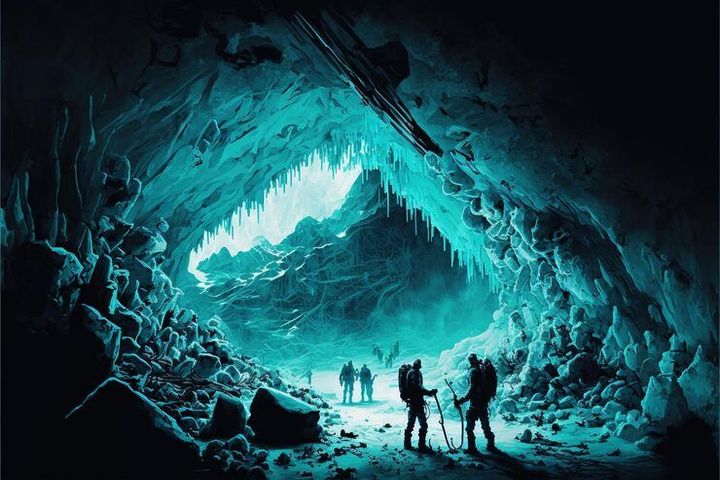
Ice cave exploration adventures provide an opportunity to discover natural underground ice formations, frozen chambers, icy tunnels, and unusual geological structures.
These caves develop in glaciers, snowfields, and mountainous environments where freezing temperatures allow ice to form and remain for extended periods. Ice cave exploration combines outdoor adventure, nature observation, geological learning, and photography in environments that are constantly changing.
Ice caves can be found in several cold regions, including Iceland, Greenland, Alaska, Canada, and parts of the European Alps. Their appearance depends on local weather, glacier movement, water flow, and seasonal temperature changes. Some caves contain blue ice walls, frozen waterfalls, translucent ceilings, and naturally shaped tunnels.
Unlike ordinary caves, ice caves are particularly sensitive to environmental conditions. Their structures may change rapidly because of melting, refreezing, snowfall, and movement within the surrounding glacier. For this reason, exploration requires preparation, suitable equipment, and awareness of environmental risks.
What Are Ice Caves and How Do They Form?
Ice caves are natural or glacier-related cavities containing substantial ice formations. They generally develop through two main processes: the accumulation and movement of glacier ice, or the freezing of water inside underground cavities.
Glacier ice caves often form when meltwater flows through openings in a glacier. Over time, water can create tunnels and chambers within the ice. Seasonal freezing and melting may change their size, shape, and internal appearance.
Some caves contain blue ice because dense ice absorbs longer wavelengths of visible light while allowing more blue light to pass through. The colour can vary according to ice density, impurities, lighting conditions, and the thickness of the ice.
Popular Destinations for Ice Cave Exploration
Different cold-weather destinations have distinctive ice formations and exploration conditions.
Iceland: Known for glacier caves beneath large ice caps, particularly in the Vatnajökull region.
Alaska, USA: Contains glacier environments with ice tunnels, frozen chambers, and changing meltwater formations.
Greenland: Features extensive ice-sheet landscapes and glacier-related ice formations.
Canadian Rockies: Includes frozen caves and ice formations in mountainous environments.
European Alps: Offers seasonal ice caves and glacier landscapes in countries such as Austria and Switzerland.
Access conditions vary throughout the year. Some caves are accessible only during particular winter periods, while others may be restricted because of unstable ice or changing weather.
Importance of Ice Cave Exploration and Responsible Travel
Ice cave exploration matters because it connects outdoor recreation with environmental awareness and geological education. Visitors can observe how glaciers behave, understand the effects of temperature changes, and learn about the natural processes that shape frozen landscapes.
These experiences also highlight the importance of protecting fragile environments. Increased tourism in cold regions can create challenges related to waste management, visitor safety, wildlife disturbance, and pressure on sensitive natural areas.
Why Ice Cave Exploration Matters
Ice caves provide opportunities to understand glaciers and frozen ecosystems through direct observation. Their structures reveal information about water movement, ice formation, temperature changes, and geological processes.
Responsible exploration also encourages visitors to understand the environmental conditions affecting glaciers. Many glacier environments are sensitive to rising temperatures, making conservation awareness an important part of cold-region tourism.
Safety Considerations During Ice Cave Adventures
Ice caves can contain unstable ceilings, slippery surfaces, falling ice, hidden water channels, and narrow passages. Conditions may change without much warning, even when the entrance appears stable.
Important safety considerations include:
Guided exploration: Enter caves only when access is permitted and conditions have been assessed by qualified local guides.
Protective equipment: Use an appropriate helmet, suitable footwear, and any technical equipment required for the particular route.
Weather awareness: Check temperature, precipitation, wind, and glacier conditions before travelling.
Group movement: Follow instructions and maintain appropriate distances from other visitors.
Restricted areas: Avoid entering blocked passages or areas identified as unstable.
Emergency preparation: Understand the group's emergency arrangements and carry suitable communication equipment.
Visitors should never enter an unfamiliar glacier cave independently simply because an entrance appears accessible.
Responsible Travel Practices in Frozen Environments
Responsible travel helps reduce the environmental impact of ice cave tourism. Since ice formations are sensitive to physical disturbance and changing temperatures, visitors should avoid touching, breaking, or removing natural ice structures.
Practical responsible travel habits include:
Carrying personal waste out of natural areas.
Staying on approved routes and designated access paths.
Avoiding unnecessary noise and disturbance.
Respecting wildlife and protected habitats.
Following local photography and access restrictions.
Using established transport and accommodation arrangements where practical.
Avoiding the removal of rocks, ice, or other natural materials.
Responsible tourism also includes respecting local communities, following regional guidance, and understanding that access restrictions may change according to environmental conditions.
Recent Updates and Trends in Ice Cave Exploration
Ice cave exploration has attracted growing interest through outdoor travel, nature photography, and adventure tourism. Current trends across 2024–2026 reflect increased attention to visitor safety, changing glacier conditions, digital photography, and environmental responsibility.
Changing Glacier Conditions
Glaciers are affected by temperature, snowfall, rainfall, and seasonal melt patterns. Changes in these conditions can alter cave entrances, tunnel structures, and access routes.
Some ice caves become inaccessible because of melting, structural instability, or water movement. Tourism operators and local authorities increasingly rely on current assessments before allowing visitors to enter particular locations.
Guided and Regulated Exploration
Many destinations are placing greater emphasis on organised glacier visits and controlled access. Qualified guides can assess route conditions, explain environmental hazards, and provide instructions about protective equipment.
Visitor numbers, seasonal access, and permitted routes may also be managed in sensitive locations to reduce environmental pressure.
Developments in Ice Cave Photography
Photography technology has made it easier to document frozen landscapes in challenging lighting conditions. Mirrorless cameras, improved image stabilisation, wide-angle lenses, and smartphone night modes help visitors capture different details inside ice caves.
There is also increasing interest in responsible photography. Visitors are encouraged to avoid damaging formations, disturbing other people, or using equipment in ways that interfere with guided activities.
Climate Awareness and Sustainable Tourism
Climate change has increased public attention to glacier environments. Ice caves provide visible examples of how temperature changes influence natural ice structures.
Travel organisations and conservation groups increasingly communicate the importance of reducing waste, respecting access restrictions, and understanding the environmental conditions of glacier destinations.
Laws and Policies Affecting Ice Cave Exploration
Ice cave exploration is governed by different environmental, tourism, land access, and safety regulations depending on the country and protected area. Visitors should understand local requirements before entering glacier environments.
Environmental Protection Rules
Many ice caves are located within national parks, glacier reserves, or other protected natural areas. These locations may have restrictions on visitor access, photography, camping, waste disposal, and movement outside designated routes.
Environmental authorities may temporarily close caves because of unstable ice, flooding, weather conditions, or conservation requirements. Visitors must follow these restrictions even when a route appears physically accessible.
Tourism and Adventure Activity Regulations
Some countries require glacier guides or adventure tourism operators to meet specific training, registration, insurance, or operational requirements. These rules differ by destination.
For example, protected areas in Iceland and national parks in the United States have their own visitor management arrangements. Visitors should check the applicable rules for the specific glacier or cave rather than assuming that all locations follow identical regulations.
Indian Environmental and Travel Considerations
India has several cold-region environments in the Himalayas, including areas with glaciers and seasonal ice formations. Access to these locations may be influenced by forest conservation requirements, wildlife protection regulations, protected-area permissions, and local administrative restrictions.
The Environment (Protection) Act, 1986, the Wildlife (Protection) Act, 1972, and applicable forest conservation provisions are relevant to activities in certain protected environments.
Travel in restricted border regions may also require additional permissions. Visitors should follow the instructions of local authorities and avoid entering restricted glacier areas without appropriate authorisation.
Tools and Resources for Ice Cave Exploration and Photography
Suitable equipment and planning resources help visitors prepare for changing weather, difficult terrain, and low-light photography conditions.
Essential Exploration Equipment
Equipment requirements depend on the destination, season, and route. Common items include:
Insulated clothing and waterproof outer layers.
Waterproof hiking or mountaineering boots.
Helmet and appropriate protective equipment.
Headlamp with spare batteries.
Gloves and thermal accessories.
Crampons or other traction equipment when required.
Personal first-aid supplies.
Drinking water and suitable food.
Technical climbing equipment should be selected and used according to the route and guidance provided by qualified professionals.
Ice Cave Photography Tips
Ice cave photography requires careful control of light, exposure, and camera movement. The interior of an ice cave may have very low light, while reflective ice surfaces can create bright highlights.
Useful photography techniques include:
Use a wide-angle lens: Helps capture the scale of tunnels and chambers.
Adjust exposure carefully: Prevents bright ice areas from losing important detail.
Use a stable camera position: Reduces blur in low-light conditions.
Experiment with white balance: Helps maintain natural-looking blue and white ice colours.
Protect camera equipment: Keep batteries warm and protect devices from moisture.
Avoid excessive lighting: Follow local rules and guide instructions regarding flashlights and artificial lighting.
A tripod can be useful where permitted and where it does not obstruct movement or create a safety hazard.
Useful Digital Tools
Several digital resources support planning and photography:
Weather applications: Provide temperature, wind, snowfall, and precipitation forecasts.
GPS navigation tools: Help users understand approved routes and surrounding terrain.
Offline maps: Provide access to saved geographic information where mobile connectivity is limited.
Camera exposure calculators: Help estimate exposure settings for different lighting conditions.
Photography planning applications: Assist with understanding sunrise, sunset, and natural light.
Official park websites: Provide current access restrictions, visitor guidelines, and environmental information.
Digital information should be treated as a planning aid rather than a replacement for local safety assessments.
Frequently Asked Questions About Ice Cave Exploration
Where Can You Experience Ice Cave Exploration Adventures?
Ice cave exploration is available in destinations such as Iceland, Alaska, Greenland, Canada, and the European Alps. Access depends on seasonal conditions, glacier stability, local regulations, and organised visitor arrangements.
What Equipment Is Needed for Ice Cave Exploration?
Common equipment includes insulated clothing, waterproof boots, helmets, headlamps, gloves, and suitable traction equipment. Technical equipment requirements depend on the route and should be determined with qualified guides.
How Do You Take Better Ice Cave Photography?
Use a wide-angle lens, control exposure, stabilise the camera, and adjust white balance according to the lighting conditions. Protect camera equipment from moisture and follow restrictions on flash photography and artificial lighting.
Is Ice Cave Exploration Safe for Beginners?
Beginners can participate in certain guided experiences when access conditions are suitable. However, ice caves contain natural hazards, so visitors should follow qualified guides, use appropriate equipment, and avoid independent entry into unfamiliar caves.
What Are Responsible Travel Practices for Ice Cave Adventures?
Responsible practices include staying on approved routes, avoiding contact with fragile ice formations, carrying out waste, respecting wildlife, and following local access restrictions. Visitors should also respect temporary closures and environmental protection guidelines.
Conclusion
Ice cave exploration adventures combine outdoor discovery, geological learning, and nature photography in unique frozen environments. Understanding glacier conditions, preparing suitable equipment, and following safety instructions are important parts of these experiences. Photography can document ice formations while responsible travel practices help protect fragile natural landscapes. Local regulations and changing environmental conditions determine when and how particular caves can be explored.