Chemical Reactor Equipment Explained: Types, Designs, Functions, Materials and Industrial Applications
Chemical reactor equipment is used in industrial processes to convert raw materials into different substances through controlled chemical reactions. A chemical reactor provides an environment in which materials can react under selected conditions, including temperature, pressure, concentration, and mixing. Chemical reactor equipment is widely used in chemical manufacturing, petroleum processing, food production, water treatment, pharmaceuticals, and materials development.
Context
Chemical reactor equipment is used in industrial processes to convert raw materials into different substances through controlled chemical reactions. A chemical reactor provides an environment in which materials can react under selected conditions, including temperature, pressure, concentration, and mixing. Chemical reactor equipment is widely used in chemical manufacturing, petroleum processing, food production, water treatment, pharmaceuticals, and materials development.
The development of chemical reactors is closely connected to the growth of industrial chemistry. Early production processes often relied on simple vessels and batch operations, while modern industries use specialized reactor designs to manage heat, pressure, flow, and reaction time. The choice of equipment depends on the chemical reaction, the properties of the materials, production requirements, and applicable safety standards.
Understanding Chemical Reactor Equipment
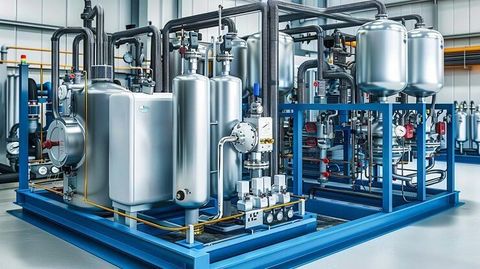
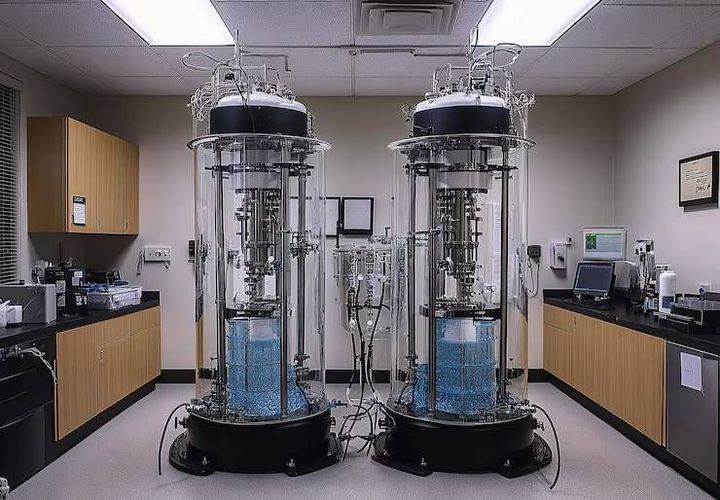
A chemical reactor is the main vessel or enclosed system where a chemical reaction takes place. Supporting equipment may include pumps, pipes, valves, temperature sensors, pressure instruments, cooling systems, heating units, and control panels.
Some reactors operate in batches, while others process materials continuously. Reactor design also depends on whether the reaction involves liquids, gases, solids, or a combination of these materials. Understanding these differences helps explain why different industries use different reactor configurations.
Importance
Chemical reactor equipment plays an important role in producing materials used in everyday life. Fuels, fertilizers, polymers, coatings, cleaning ingredients, industrial chemicals, and various food-processing ingredients may involve chemical reactions carried out in reactors.
Reliable reactor operation also affects product consistency, energy consumption, environmental performance, and workplace safety. Poor temperature control, unsuitable materials, inadequate mixing, or excessive pressure can affect reaction results and may create hazardous conditions. Engineers therefore consider operating limits, monitoring systems, maintenance requirements, and emergency controls during reactor selection and operation.
Main Functions of a Chemical Reactor
Chemical reactors perform several related functions depending on the process:
Reaction control: Maintaining suitable temperature, pressure, and reaction time.
Mixing: Distributing reactants to support consistent contact between materials.
Heat management: Removing or supplying heat when a reaction releases or requires energy.
Material containment: Keeping process materials within an appropriate vessel or enclosed system.
Process monitoring: Measuring operating conditions to help identify changes during production.
Product formation: Providing the conditions required to convert starting materials into intended products.
Not every reactor performs these functions in the same way. Some rely on mechanical stirring, while others use flowing materials, fixed catalysts, or specialized heat-transfer arrangements.
Types of Chemical Reactor Equipment
Chemical reactor types are commonly classified according to how materials enter, react, and leave the system.
Batch reactors hold a measured quantity of materials during a reaction. Operators typically load the ingredients, establish the required conditions, allow the reaction to proceed, and remove the resulting material. These reactors are used in specialty chemicals, coatings, and processes that require different formulations.
Continuous stirred-tank reactors (CSTRs) receive incoming materials while processed material leaves the vessel. Mechanical mixing helps maintain a relatively uniform composition throughout the tank. These reactors are used in various chemical and wastewater-treatment processes.
Plug-flow reactors (PFRs) move materials through a tube or similar passage. Under ideal plug-flow conditions, material progresses through the reactor with limited mixing along the direction of flow. Tubular reactors are used in several continuous chemical-processing applications.
Fixed-bed reactors pass gases or liquids through a stationary bed of solid catalyst or other material. They are common in petroleum refining and catalytic chemical production.
Fluidized-bed reactors use a moving stream of gas or liquid to suspend solid particles. This arrangement can improve contact between phases and heat transfer in suitable processes.
Comparing Reactor Designs
| Reactor type | Operating method | Common applications |
|---|---|---|
| Batch reactor | Processes a charge in stages | Specialty chemicals and coatings |
| Continuous stirred-tank reactor | Continuous inflow and outflow with mixing | Chemical processing and wastewater treatment |
| Plug-flow reactor | Materials travel through a tube | Continuous chemical reactions |
| Fixed-bed reactor | Fluids pass through stationary solid material | Catalytic processing and refining |
| Fluidized-bed reactor | Fluid flow suspends solid particles | Selected catalytic and thermal processes |
Actual performance depends on the reaction, operating conditions, reactor dimensions, and process configuration. These categories describe general operating principles rather than fixed performance levels.
Recent Updates
Chemical reactor engineering continues to develop through improvements in process monitoring, automation, energy efficiency, and materials selection. Across 2024–2026, industrial research and implementation have increasingly emphasized digital process monitoring, flexible production, improved heat management, and lower-emission manufacturing. The level of adoption differs among industries and facilities.
Automation and Digital Monitoring
Modern chemical reactor systems may use programmable logic controllers, distributed control systems, and digital sensors to monitor temperature, pressure, flow rate, and other operating variables. Automated controls can adjust selected process conditions within defined limits and alert operators when measurements move outside acceptable ranges.
Some facilities also use digital twins, which are computer-based representations of physical equipment or processes. When supported by suitable operating data and validated models, these tools can help engineers examine process behavior, investigate operating changes, and plan maintenance. They do not remove the need for physical inspections, accurate instrumentation, or qualified operational oversight.
Energy Efficiency and Advanced Materials
Heat exchangers, insulation, improved vessel designs, and more precise temperature controls can help manage the energy required for chemical reactions. Research also continues into catalysts and reactor configurations that support more selective reactions or lower operating demands in suitable applications.
Materials selection remains important as industries process corrosive chemicals, high-temperature mixtures, and pressurized gases. Stainless steel, nickel-based alloys, glass-lined vessels, and specialized polymers may be used depending on chemical compatibility and operating conditions. No single material is suitable for every process.
Laws or Policies
Chemical reactor equipment is subject to regulations and technical standards related to worker safety, pressure containment, environmental protection, fire prevention, and industrial operation. Applicable requirements depend on the reactor's design, operating conditions, location, and the substances being processed.
Industrial Safety Regulations in India
In India, chemical processing facilities may fall under the Factories Act, 1948, and applicable state factory rules, alongside other relevant occupational safety and environmental requirements. The Occupational Safety, Health and Working Conditions Code, 2020, is also part of India's evolving occupational safety framework; its applicability depends on the commencement and implementation of the relevant provisions.
Pressure vessels and associated equipment may be subject to applicable Indian standards, statutory requirements, and inspection procedures. The Indian Boiler Regulations apply to equipment within their defined scope, rather than automatically covering every chemical reactor. Design and inspection requirements must be determined according to the equipment classification and governing rules.
Environmental and Process Safety Requirements
Chemical manufacturing may require environmental approvals, emissions controls, wastewater management, and hazardous-waste handling under applicable Indian environmental legislation and regulatory conditions. Relevant frameworks include the Environment (Protection) Act, 1986, and rules issued under it, together with applicable pollution-control requirements.
Facilities handling hazardous chemicals may also need risk assessments, emergency plans, suitable containment, ventilation, and safeguards against uncontrolled reactions. Pressure relief devices, interlocks, alarms, and emergency shutdown arrangements may be necessary depending on the process hazards.
Compliance is determined by the applicable laws, permits, technical standards, and site-specific conditions. General descriptions cannot replace a formal engineering assessment or regulatory review.
Tools and Resources
Several technical resources help engineers and students understand chemical reactor equipment, estimate process behavior, and review equipment requirements. The appropriate resource depends on whether the task involves early-stage learning, process simulation, equipment design, or regulatory compliance.
Process Simulation and Engineering Software
Process simulation programs can model material flows, energy balances, and selected chemical reactions. Examples include Aspen Plus, Aspen HYSYS, and DWSIM. Their capabilities differ, and reliable results depend on suitable thermodynamic data, reaction models, and correctly defined operating conditions.
Computational fluid dynamics software can help analyze fluid movement, mixing patterns, temperature distribution, and pressure changes in selected reactor geometries. These simulations require appropriate assumptions and validation against relevant data before their results are used for engineering decisions.
Technical Standards and Reference Materials
Engineers may consult publications from the American Institute of Chemical Engineers, the American Society of Mechanical Engineers, and the International Organization for Standardization. Relevant documents depend on the reactor type, pressure classification, process hazards, and jurisdiction.
In India, the Bureau of Indian Standards and the Central Pollution Control Board provide information related to technical standards and environmental requirements within their respective areas. Applicable standards and current regulatory documents should be checked for the specific installation.
Basic Reactor Planning Checklist
A preliminary equipment review commonly considers:
Reaction chemistry and expected operating conditions.
Material compatibility and corrosion risks.
Required heat transfer and mixing arrangements.
Pressure containment and protective devices.
Instrumentation, alarms, and emergency controls.
Cleaning, inspection, maintenance, and environmental requirements.
These factors help define the scope of a technical assessment. Final reactor design requires suitable engineering calculations, verified data, and review by qualified professionals.
FAQs
What is chemical reactor equipment used for?
Chemical reactor equipment provides controlled conditions for chemical reactions. It is used in industries that produce fuels, polymers, fertilizers, coatings, industrial chemicals, and other processed materials.
What are the main types of chemical reactors?
Common types include batch reactors, continuous stirred-tank reactors, plug-flow reactors, fixed-bed reactors, and fluidized-bed reactors. Each design supports different operating methods and process requirements.
How do engineers choose chemical reactor materials?
Material selection depends on chemical compatibility, corrosion resistance, temperature, pressure, mechanical strength, and cleaning requirements. Engineers also consider applicable design codes and inspection requirements.
What safety systems are used in chemical reactor equipment?
Depending on the process, safety systems may include pressure relief devices, temperature and pressure sensors, alarms, interlocks, ventilation, containment, and emergency shutdown controls. Their design depends on the hazards and operating conditions.
How is automation used in industrial chemical reactors?
Automation systems monitor operating variables and can adjust selected process conditions within defined limits. Sensors, controllers, and data-analysis tools support process monitoring, while operators remain responsible for appropriate oversight and response.
Conclusion
Chemical reactor equipment enables controlled chemical reactions across a wide range of industrial applications. Reactor types differ in how materials flow, mix, exchange heat, and interact with catalysts, while equipment materials must suit the chemical and operating environment. Automation, digital monitoring, and energy-management techniques continue to influence reactor development. Safe operation depends on appropriate engineering design, process controls, maintenance, and compliance with applicable regulations.