Tortilla Production Line: Facts About Industrial Production Systems
A modern tortilla production line uses specialized equipment to prepare, shape, bake, cool, and package tortillas for distribution.
The equipment can process different ingredients and tortilla varieties, including corn and flour products. Understanding how these systems operate helps manufacturers evaluate production requirements and equipment configurations.
Understanding a Tortilla Production Line
A tortilla production line is an integrated manufacturing system designed to produce tortillas consistently across multiple production stages. Depending on the factory's requirements, the system may include dough mixers, dividers, presses, baking units, cooling conveyors, and packaging machines.
Manufacturers can select equipment based on tortilla size, ingredients, expected output, available floor space, and automation requirements. Small-scale facilities may use semi-automatic configurations, while larger manufacturing operations often use integrated industrial systems.
Main Types of Tortilla Production Lines
Two common production configurations are:
Corn tortilla production line: Processes corn-based dough, commonly prepared through a process involving cooked and conditioned corn or masa flour. The equipment forms, bakes, and cools the tortillas.
Flour tortilla production line: Uses wheat flour, water, fats, and other ingredients to prepare dough. The system typically includes mixing, resting, dividing, pressing, baking, and cooling stages.
The equipment requirements differ because corn and flour dough have different handling and processing characteristics.
How the Tortilla Manufacturing Process Works
A tortilla manufacturing process involves several connected operations. Each stage contributes to product consistency, texture, shape, and overall production efficiency.
Dough Preparation and Mixing
The process begins with ingredient measurement and preparation. A commercial tortilla making machine setup generally includes a mixer that combines flour or masa with water and other recipe ingredients.
Mixing time and ingredient proportions influence dough consistency. Proper preparation helps the following equipment handle the dough more consistently.
Dough Dividing and Forming
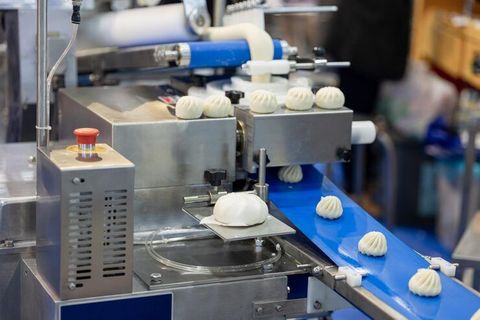
After mixing, the dough moves through dividing and forming equipment. Dough dividers create portions of controlled size, while presses or sheeting systems shape them into circular tortillas.
An industrial tortilla machine may use mechanical or hydraulic pressing systems depending on its configuration and production requirements.
Baking and Cooling
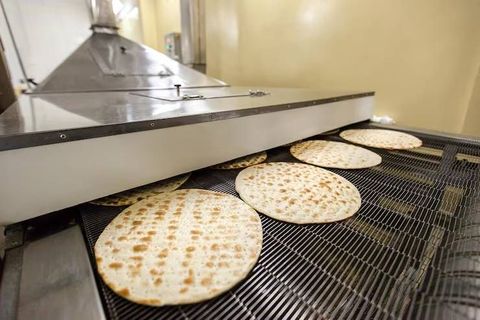
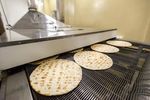
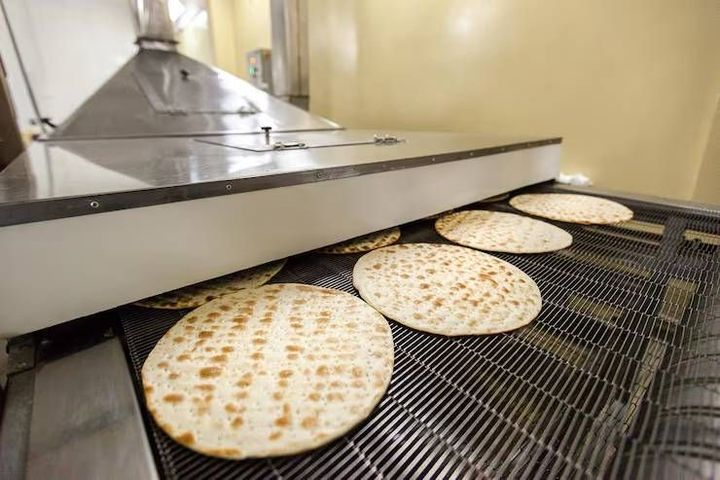
Formed tortillas pass through heated baking equipment, which may use gas, electric, or other suitable heating arrangements. Temperature, baking duration, and conveyor speed influence the final texture and appearance.
After baking, cooling conveyors allow tortillas to reach an appropriate temperature before stacking and packaging. This stage also helps manage moisture and product handling.
Packaging and Quality Inspection
The final stage involves counting, stacking, inspecting, and packaging tortillas. Automated packaging equipment can help maintain consistent package quantities and reduce repetitive manual handling.
Essential Equipment Used in Tortilla Manufacturing
A complete tortilla processing equipment setup may include several machines.
| Equipment | Main Function |
|---|---|
| Dough mixer | Combines ingredients into dough |
| Dough divider | Creates uniform portions |
| Dough press | Forms circular tortilla shapes |
| Baking conveyor | Cooks tortillas |
| Cooling conveyor | Reduces product temperature |
| Packaging machine | Prepares products for distribution |
Some facilities also incorporate automated inspection systems, conveyors, and control panels to coordinate different production stages.
Factors to Consider When Selecting Equipment
Choosing suitable tortilla manufacturing equipment requires an understanding of operational requirements.
Production Capacity
Production capacity is generally measured in tortillas per hour or per minute. Manufacturers should compare expected output with actual market demand and planned production schedules.
Automation Requirements
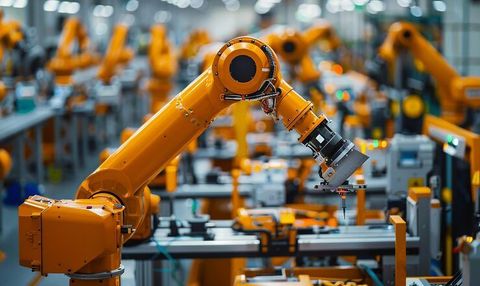
An automatic tortilla production line can coordinate several manufacturing stages with reduced manual intervention. However, automation levels should match production volume, workforce capabilities, and maintenance requirements.
Product Specifications
Tortilla diameter, thickness, weight, ingredients, and texture influence machine configuration. Equipment should support the intended product range without unnecessary production complexity.
Installation and Maintenance
Available factory space, electrical requirements, heating systems, cleaning procedures, and spare-part availability should also be evaluated before installation.
Tortilla Production Line Price and Equipment Planning
The tortilla production line price depends on several technical and operational factors. These include manufacturing capacity, automation level, equipment materials, heating configuration, and additional processing features.
A basic production setup generally has different requirements from a fully integrated industrial facility. Buyers comparing a tortilla production line manufacturer should review technical specifications, equipment compatibility, installation requirements, warranty conditions, and maintenance documentation.
Requesting a detailed equipment breakdown can help manufacturers understand which components are included in a proposed configuration.
Frequently Asked Questions
What machines are needed for tortilla production?
Common equipment includes dough mixers, dividers, presses, baking conveyors, cooling systems, and packaging machines.
What is the difference between corn and flour tortilla machines?
Corn tortilla equipment handles masa-based dough, while flour tortilla equipment processes wheat-based dough with different mixing, resting, and forming requirements.
How does an automatic tortilla production line work?
It connects multiple processing stages through conveyors, automated controls, and specialized machinery to coordinate tortilla preparation and packaging.
What affects tortilla manufacturing equipment prices?
Production capacity, automation, machine specifications, materials, installation requirements, and additional equipment influence overall pricing.
Conclusion
A tortilla production line combines preparation, forming, baking, cooling, and packaging equipment into a coordinated manufacturing process. Understanding machine functions, production requirements, and equipment specifications helps manufacturers plan suitable facilities. Careful technical evaluation also supports consistent operations and effective production management.