Learn Industrial Robot Integration Methods for Flexible Manufacturing Systems
Industrial robots are transforming modern manufacturing processes. Integration connects robotic equipment with production systems.
Understanding Industrial Robot Integration
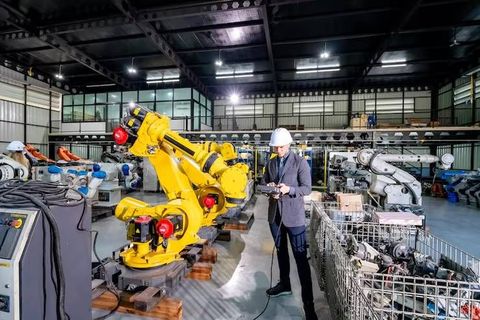
Industrial robot integration involves connecting robotic machines, software, sensors, controllers, and production equipment into one coordinated operating system. The objective is to automate specific manufacturing activities while maintaining communication between different production components.
Businesses exploring industrial robot integration systems generally consider their production requirements, available floor space, operational processes, and equipment compatibility. These factors help determine which robotic configuration is appropriate for a particular manufacturing environment.
Main Components of Robot Integration
An integrated robotic system generally contains several interconnected components:
Industrial Robots: Perform activities such as welding, assembly, painting, packaging, and material handling.
End Effectors: Attachments such as grippers, welding tools, and suction devices that allow robots to handle different materials.
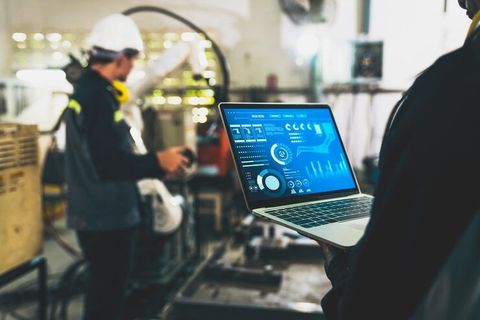
Controllers: Manage robot movements, operating instructions, and communication with other equipment.
Sensors: Collect information about object positions, movement, temperature, and surrounding conditions.
Safety Equipment: Includes protective barriers, emergency stops, safety scanners, and interlocking systems.
These components work together to support coordinated production activities.
Importance of Robotic Automation Integration
Robotic automation integration can support manufacturing operations that require consistent movements, repetitive tasks, and controlled handling processes. It also allows different machines to communicate within a shared production environment.
Companies evaluating robotic automation integrators often examine technical experience, programming capabilities, equipment compatibility, and project planning methods.
Key Industrial Applications
Industrial robots are used across different manufacturing sectors.
Automotive Manufacturing: Robots support welding, painting, component assembly, and vehicle handling.
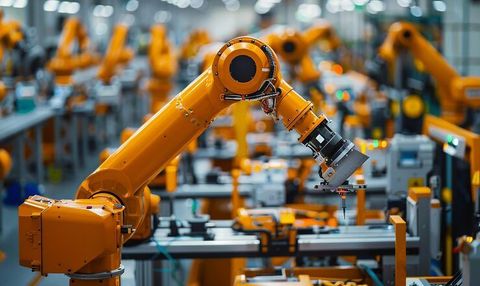
Electronics Production: Automated systems assist with component placement, inspection, and precision assembly.
Food Processing: Robotic equipment handles packaging, sorting, palletizing, and product movement.
Metal Fabrication: Robots perform welding, cutting, polishing, and material handling.
Warehousing: Automated robotic systems support picking, sorting, and pallet transportation.
The suitability of each application depends on material characteristics, production volume, accuracy requirements, and workplace conditions.
Selecting Industrial Robot Integration Companies
Selecting industrial robot integration companies requires an understanding of technical requirements and manufacturing objectives. Different projects may need specialized robotic equipment, software development, mechanical modifications, or production line coordination.
Important Selection Factors
Before choosing an integration provider, manufacturers can evaluate:
Technical Knowledge: Experience with robotic arms, controllers, sensors, and automation software.
Industry Experience: Familiarity with specific manufacturing processes and equipment.
System Compatibility: Ability to connect new robotic equipment with existing machinery.
Programming Capabilities: Knowledge of robot programming, motion control, and industrial communication protocols.
Safety Planning: Understanding of applicable machinery safety requirements and risk assessment procedures.
Technical Documentation: Availability of operating instructions, system drawings, and maintenance information.
A detailed technical assessment helps identify whether the proposed integration approach matches production requirements.
Robot Integration Solutions and Installation
Robot integration solutions vary according to the intended application. A simple robotic handling station may require different equipment and programming compared with a complete automated assembly line.
Integration Process
Most industrial integration projects involve several stages:
Requirement Assessment: Identify production challenges, operational objectives, and automation requirements.
System Design: Determine robot specifications, working areas, tooling, and equipment arrangements.
Equipment Selection: Choose compatible robots, controllers, sensors, and supporting machinery.
Programming: Develop movement sequences, communication settings, and operating instructions.
Industrial Robot Installation: Position equipment, connect electrical systems, and configure safety components.
Testing and Validation: Check movement accuracy, communication, operational performance, and safety functions.
Testing should take place before the integrated equipment enters regular production.
Industrial Robot Integration System Pricing Factors
Robot integration system pricing depends on the technical complexity and configuration of a project. There is no single standard pricing structure because manufacturing requirements differ between applications.
| Pricing Factor | Description |
|---|---|
| Robot Specifications | Payload, reach, speed, and movement capabilities |
| End Effectors | Grippers, welding tools, and specialized attachments |
| Programming | Control software and automation configuration |
| Installation | Mechanical, electrical, and structural preparation |
| Safety Equipment | Protective systems and monitoring devices |
| Maintenance | Inspection, replacement components, and technical support |
Manufacturers should examine equipment specifications, installation requirements, documentation, and ongoing operational expenses when comparing project quotations.
Safety and Maintenance Considerations
Industrial robot systems require appropriate safety arrangements because robotic equipment can move quickly and handle heavy materials. Risk assessments should consider robot movement, operator access, unexpected machine activity, and surrounding equipment.
Regular maintenance also supports reliable operation. Common maintenance activities include:
Inspecting mechanical joints and moving components.
Checking electrical connections and cables.
Reviewing sensor performance and controller settings.
Examining protective barriers and emergency stop functions.
Updating software according to approved procedures.
Maintenance schedules should follow equipment manufacturer documentation and relevant workplace safety requirements.
Frequently Asked Questions
What does industrial robot integration mean?
It means connecting robots, controllers, sensors, software, and production machinery into a coordinated automated system.
How do manufacturers choose robotic automation equipment suppliers?
They generally compare technical specifications, equipment compatibility, industry experience, documentation, and project requirements.
What affects industrial robot installation requirements?
Floor space, electrical infrastructure, robot configuration, safety arrangements, and existing production equipment influence installation planning.
How long does robot integration take?
Project duration varies according to system complexity, equipment availability, programming requirements, installation conditions, and testing activities.
What is a robotic system integrator quotation?
It is a project estimate outlining proposed equipment, technical specifications, integration activities, installation requirements, and associated pricing.
Conclusion
Industrial robot integration connects robotic equipment with manufacturing processes through coordinated hardware, software, and control systems. Careful equipment selection, system design, programming, installation, and safety planning help manufacturers establish suitable automation environments. Understanding these elements supports informed decisions when evaluating industrial robotics projects.