Industrial Automation Systems: Learn About Robotics and Process Control
Industrial automation connects machines, controls, and operational data. It helps manufacturing facilities coordinate processes with reduced manual intervention.
Industrial automation systems are widely used in manufacturing, packaging, processing, and material handling. They combine mechanical equipment, electronic controls, sensors, and software to manage industrial activities.
Understanding Industrial Automation Systems
Industrial automation refers to using control technologies to operate machinery and production processes. These systems can perform repetitive activities, monitor equipment conditions, and coordinate multiple production stages.
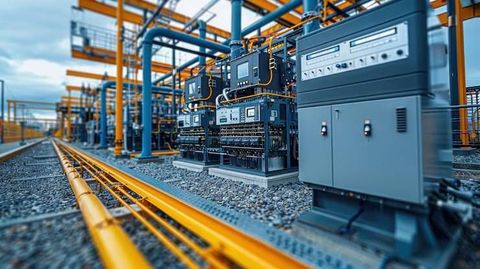
An industrial automation system may include programmable logic controllers (PLCs), industrial computers, robotic equipment, sensors, actuators, and communication networks. Each component performs a specific function within the overall production environment.
Main Types of Automation
Industrial automation generally includes four categories:
Fixed automation: Designed for repetitive production activities with limited operational changes.
Programmable automation: Allows equipment settings and production sequences to be modified for different products.
Flexible automation: Supports changes between production tasks with limited manual adjustments.
Integrated automation: Connects multiple machines, production systems, and software platforms into a coordinated environment.
The appropriate category depends on production volume, product variety, equipment requirements, and operational complexity.
Importance of Industrial Automation in Manufacturing
Automation plays an important role in modern industrial operations. It helps manufacturers coordinate production activities while maintaining consistent operating procedures.
Operational Applications
Industrial automation equipment can support several manufacturing activities, including:
Assembly: Automated machines position and connect components during manufacturing.
Material handling: Conveyor systems and robotic equipment move materials between production stages.
Quality inspection: Sensors and vision systems identify certain product defects or dimensional variations.
Packaging: Automated equipment measures, fills, seals, labels, and organizes finished products.
Process monitoring: Control systems collect operational information and help operators identify irregular conditions.
These applications can reduce repetitive manual tasks and provide better visibility into production activities.
Essential Components of Industrial Automation
Industrial automation solutions depend on multiple technologies working together. Understanding their functions helps explain how automated production environments operate.
Common Automation Equipment
Programmable Logic Controllers: PLCs manage machine operations using programmed instructions and input signals.
Human-Machine Interfaces: HMIs allow operators to monitor processes and adjust permitted machine settings.
Sensors: These devices detect temperature, pressure, movement, distance, and other operating conditions.
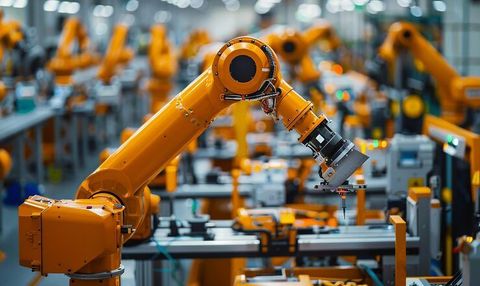
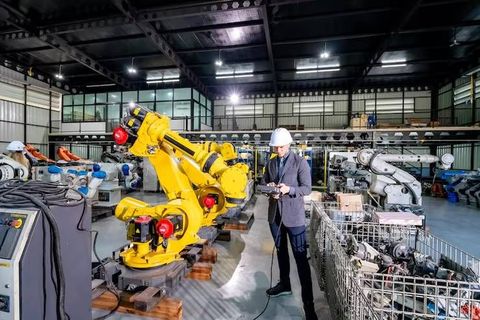
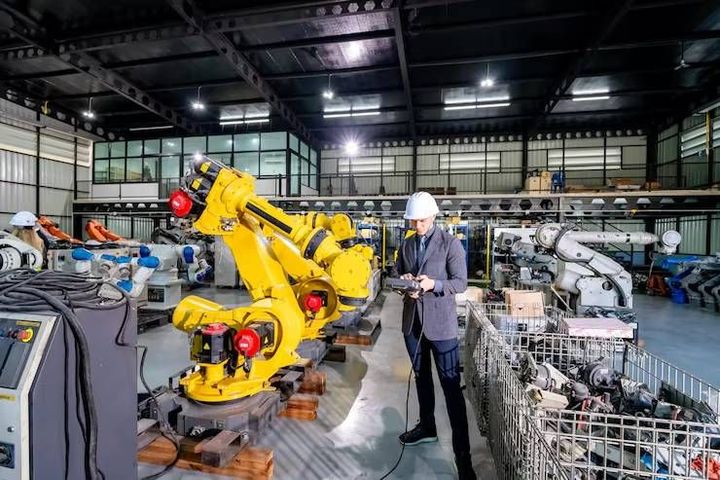
Industrial Robots: Robotic systems perform programmed tasks such as welding, assembly, and material movement.
Variable Frequency Drives: VFDs regulate electric motor speed according to operational requirements.
Supervisory Control Systems: SCADA platforms provide centralized monitoring and control of industrial processes.
Industrial control systems coordinate these components through communication protocols and programmed operating instructions.
Factors Affecting Industrial Automation System Pricing
Industrial automation system pricing varies according to technical requirements, equipment specifications, and implementation complexity. There is no single standard pricing structure for every industrial facility.
Major Pricing Considerations
Factor | Description |
|---|---|
Equipment type | Machinery, controllers, sensors, and robotics influence the overall budget. |
Production capacity | Larger production requirements may need additional equipment. |
Software requirements | Control platforms and monitoring applications affect system expenses. |
Integration | Connecting existing machinery may require additional engineering work. |
Installation | Electrical connections, configuration, and commissioning influence implementation expenses. |
Maintenance | Replacement components and ongoing technical support affect long-term planning. |
Comparing specifications from industrial automation system manufacturers can help businesses understand differences in equipment configurations and technical capabilities.
How to Select Industrial Automation Solutions
Selecting an appropriate automation system requires an understanding of existing production activities and future operational requirements.
Important Selection Criteria
Production requirements: Identify repetitive tasks, output expectations, and operational limitations.
Equipment compatibility: Check whether new machinery can communicate with existing equipment.
Technical specifications: Review controller capacity, sensor requirements, and communication capabilities.
Integration planning: Evaluate the technical requirements of industrial automation integration.
Maintenance requirements: Consider equipment accessibility, replacement components, and technical documentation.
Scalability: Determine whether the system can accommodate future production changes.
A structured evaluation can help organizations avoid compatibility problems and unnecessary equipment modifications.
Recent Developments in Industrial Automation
Industrial automation continues to incorporate developments in digital technologies and connected equipment. Artificial intelligence, industrial Internet of Things (IIoT), and machine learning are influencing how facilities monitor and manage production.
Connected sensors can collect equipment information and transmit it to monitoring platforms. Predictive maintenance applications analyze operating patterns to identify possible equipment problems before unexpected failures occur.
Collaborative robots, also known as cobots, are another development. They are designed for certain tasks involving interaction with human workers, subject to appropriate safety assessments and operating requirements.
Frequently Asked Questions
What are industrial automation systems?
They are technologies that use machines, controllers, sensors, and software to manage industrial processes with reduced manual intervention.
Which equipment is commonly used in industrial automation?
Common equipment includes PLCs, industrial robots, sensors, HMIs, conveyor systems, motors, and automated inspection devices.
What are PLC automation systems?
PLC automation systems use programmable logic controllers to manage machine sequences, monitor inputs, and control industrial equipment.
How much do industrial automation systems cost?
Pricing depends on equipment specifications, production capacity, software requirements, installation complexity, and integration needs.
Which industries use automated manufacturing systems?
Automated manufacturing systems are used in automotive, electronics, food processing, pharmaceuticals, packaging, metalworking, and other manufacturing sectors.
Conclusion
Industrial automation systems combine machinery, control technologies, and software to coordinate industrial production. Their applications range from basic machine control to integrated manufacturing environments.
Understanding equipment types, integration requirements, technical specifications, and pricing factors helps organizations evaluate automation projects. Careful planning also supports equipment compatibility, operational consistency, and future production requirements.