Industrial Power Generation Equipment: Learn About Energy Generation Methods
Industrial power generation equipment supports electricity production across manufacturing and infrastructure facilities.
These systems convert different energy sources into electrical power for industrial operations.
Understanding their components, applications, and technical requirements helps organizations evaluate suitable power generation arrangements.
Understanding Industrial Power Generation Equipment
Industrial power generation equipment includes machinery and supporting systems designed to produce electricity on different scales. These installations can operate independently or connect to established electrical grids.
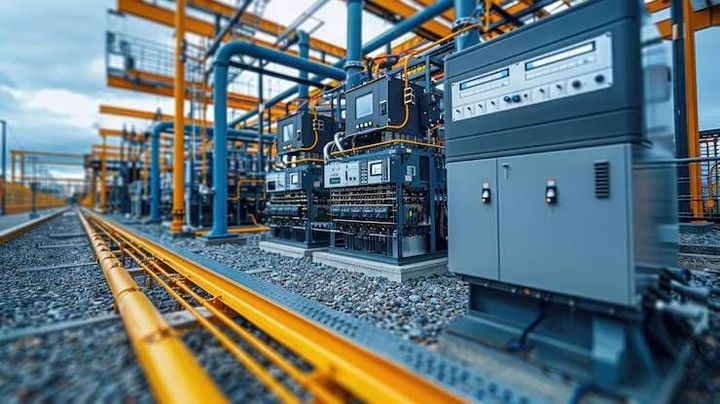
Common equipment includes generators, turbines, engines, transformers, cooling systems, and electrical control panels. Each component performs a specific function in the electricity generation process.
Main Types of Power Generation Equipment
Different technologies produce electricity through different energy conversion methods.
Diesel generator sets: Use diesel engines to drive electrical generators. They are commonly used in industrial facilities and backup power arrangements.
Gas generator systems: Use natural gas or other suitable gaseous fuels to produce electricity.
Industrial turbine generators: Convert energy from steam, gas, or moving water into mechanical rotation that drives generators.
Commercial power generators: Support electricity requirements in commercial buildings, processing facilities, and industrial environments.
The appropriate technology depends on electricity demand, fuel availability, operating conditions, and environmental requirements.
Importance of Industrial Power Generation Systems
Electricity is essential for manufacturing equipment, automated production lines, processing machinery, and infrastructure operations. Industrial power generation systems help facilities maintain access to electricity according to their operational requirements.
Supporting Industrial Operations
Manufacturing plants often operate machinery that requires consistent electrical input. Dedicated generation arrangements can support facilities where grid connections are limited or where additional power capacity is necessary.
Backup power generation systems can also provide electricity during grid interruptions. Their capacity must match the electrical requirements of essential equipment.
Improving Energy Management
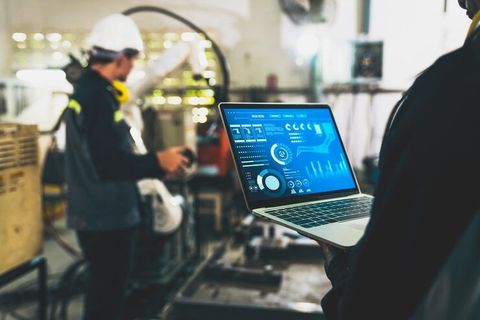
Modern generation installations use monitoring and control technologies to manage electrical output. Operators can observe parameters such as voltage, frequency, fuel consumption, and operating temperature.
These measurements help identify unusual operating conditions and support maintenance planning.
Key Components and Their Functions
Industrial power generation equipment contains several interconnected components. Their performance influences the overall operation of a generation installation.
| Component | Primary Function |
|---|---|
| Generator | Converts mechanical energy into electricity |
| Engine or turbine | Produces mechanical power |
| Fuel system | Supplies fuel to the equipment |
| Cooling system | Controls operating temperature |
| Control panel | Monitors and manages system operation |
| Transformer | Adjusts electrical voltage |
| Exhaust system | Directs combustion gases away |
Each component requires appropriate installation and regular inspection to support safe and efficient operation.
Factors Affecting Equipment Selection and Pricing
Industrial generator price can vary according to equipment specifications, capacity, technology, and installation requirements. Comparing technical details helps organizations understand the differences between available configurations.
Important Evaluation Factors
Several considerations influence equipment selection:
Power capacity: Determine the required electrical output in kilowatts (kW) or megawatts (MW).
Fuel type: Compare diesel, natural gas, and other available energy sources.
Operating duration: Consider whether the equipment will operate continuously, periodically, or during emergencies.
Installation requirements: Evaluate available space, ventilation, foundations, and electrical connections.
Maintenance needs: Review inspection schedules, component replacement, and technical support requirements.
Industrial generators for sale may have different specifications, warranties, and installation arrangements. Reviewing technical documentation and manufacturer information helps clarify these differences.
Industrial Applications and Recent Technologies
Industrial power generation equipment serves several sectors, including manufacturing, mining, construction, processing, and infrastructure development.
Common Industrial Applications
Manufacturing: Supplies electricity to production machinery, automation systems, and processing lines.
Mining: Supports equipment used for extraction, material handling, and site operations.
Construction: Provides temporary electricity at locations with limited grid access.
Data facilities: Supports backup electricity arrangements for critical computing infrastructure.
Chemical processing: Supplies power to pumps, compressors, and other industrial equipment.
Developments in Power Generation
Recent technological developments include digital monitoring, automated controls, improved engine management, and hybrid energy arrangements. Some installations combine conventional generators with solar energy or battery storage.
These approaches can help facilities manage electricity demand and coordinate different energy sources. Their suitability depends on technical requirements and local operating conditions.
Understanding Manufacturers and Equipment Suppliers
Power generation equipment manufacturers produce generators, engines, turbines, and related electrical systems. Power plant equipment suppliers may provide several components required for complete installations.
When evaluating manufacturers or suppliers, consider:
Technical specifications and documented performance.
Manufacturing standards and relevant certifications.
Equipment compatibility with existing infrastructure.
Availability of replacement components.
Installation documentation and maintenance arrangements.
Comparing these details provides a clearer understanding of equipment capabilities and long-term operating requirements.
Frequently Asked Questions
What is industrial power generation equipment?
It refers to machinery and supporting systems used to produce electricity for manufacturing facilities, infrastructure, and other industrial applications.
What are the common types of industrial generators?
Common types include diesel generator sets, gas generator systems, and turbine-driven electrical generators.
What affects industrial generator price?
Capacity, fuel technology, equipment specifications, installation requirements, control systems, and maintenance arrangements can influence pricing.
How do backup power generation systems work?
They provide electricity when the primary power source becomes unavailable. Automatic transfer equipment can help connect backup generation to designated electrical circuits.
How can organizations evaluate power generation equipment manufacturers?
They can review technical specifications, certifications, equipment compatibility, documentation, component availability, and maintenance requirements.
Conclusion
Industrial power generation equipment plays an important role in electricity production across multiple industries. Understanding generator technologies, system components, applications, and selection factors helps organizations evaluate suitable power generation arrangements.
Careful technical assessment and regular maintenance contribute to effective equipment operation and long-term system planning.