Food Processing Machinery in China: Key Technologies Shaping Food Manufacturing
China produces equipment for many food industries. Its manufacturing sector includes machinery for preparing, processing, packaging, and handling different food products.
Food processing machinery in China covers various technologies, from basic preparation equipment to automated production lines. These machines support businesses involved in dairy, bakery, beverages, meat, seafood, snacks, and packaged foods.
Importance of China's Food Machinery Industry
China has developed a broad industrial manufacturing base for food production equipment. Its machinery industry includes specialized factories, component manufacturers, automation technology providers, and equipment exporters.
Food processing equipment suppliers in China serve different production requirements, including small-scale food preparation and large industrial operations. International manufacturers and food businesses often evaluate Chinese equipment based on technical specifications, production capacity, material quality, and compatibility with existing facilities.
Several factors contribute to the industry's development:
Manufacturing infrastructure: Industrial facilities produce machinery components, electrical systems, and processing equipment.
Product variety: Manufacturers develop equipment for different food categories and processing methods.
Automation development: Modern machinery increasingly incorporates programmable controls and automated handling.
International distribution: Food machinery exporters China supply equipment to different international markets.
Types of Food Processing Machinery Available
Food Preparation Equipment
Preparation machinery handles the initial stages of food production. Common examples include industrial mixers, vegetable cutters, washing machines, peeling equipment, grinders, and slicing machines.
These machines help prepare raw ingredients before cooking, mixing, or further processing.
Industrial Processing Machines
Industrial food processing machines China include equipment designed for specific manufacturing operations.
Examples include:
Mixing machines: Combine ingredients to achieve consistent mixtures.
Grinding machines: Reduce food materials into smaller particles.
Cooking equipment: Apply controlled heat during food preparation.
Drying machines: Remove moisture from selected food products.
Filling machines: Transfer liquid, semi-liquid, or powdered products into containers.
Food Packaging Machinery
Food packaging machinery manufacturers China produce equipment for filling, sealing, labeling, wrapping, and container handling.
Packaging systems help protect products during storage and transportation. Machinery selection depends on packaging materials, container dimensions, production speed, and the characteristics of the packaged food.
Applications Across Different Food Industries
Food processing machinery supports several manufacturing categories. Each industry requires equipment suited to its ingredients, processing methods, and hygiene requirements.
Food Industry | Common Machinery | Main Application |
|---|---|---|
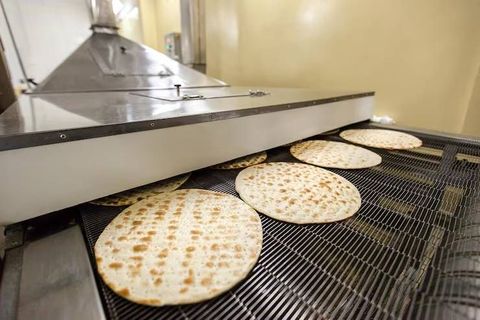
Bakery | Mixers, ovens | Dough preparation and baking |
Dairy | Pasteurizers, homogenizers | Milk processing |
Meat | Grinders, slicers | Meat preparation |
Beverages | Filling machines | Liquid packaging |
Seafood | Washing and freezing equipment | Seafood preparation |
Snacks | Fryers, extruders | Snack production |
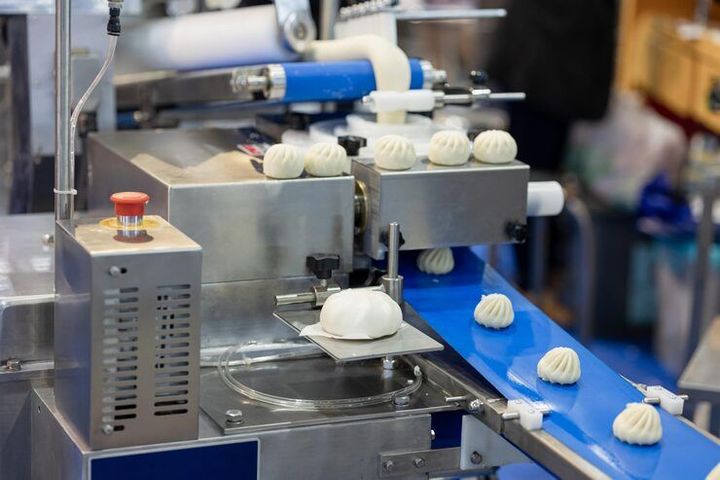
Automatic food processing equipment China is also used in integrated production facilities where multiple manufacturing stages operate together. These systems can reduce repetitive manual handling and support consistent production procedures.
Factors to Consider When Selecting Machinery
Choosing suitable equipment requires understanding the production process and operational requirements. Businesses evaluating food processing machine prices China should consider more than the initial quotation.
Important considerations include:
Production capacity: Check whether the machine can handle the required output volume.
Material compatibility: Ensure equipment materials are appropriate for the intended food products.
Hygiene standards: Examine cleaning procedures, food-contact surfaces, and sanitary design.
Automation level: Determine whether manual, semi-automatic, or fully automatic operation is appropriate.
Energy consumption: Review electricity, water, heating, and other operating requirements.
Maintenance: Understand replacement components, maintenance intervals, and technical documentation.
Comparing specifications from multiple food processing machinery manufacturers in China can help businesses understand differences in equipment design and operational capabilities.
Technology and Manufacturing Developments
Automation and Digital Controls
Modern food production equipment increasingly uses programmable logic controllers, digital sensors, and automated operating systems. These technologies help monitor temperature, pressure, processing time, and production sequences.
Hygienic Equipment Design
Food machinery manufacturers increasingly consider cleaning accessibility, corrosion-resistant materials, and hygienic construction. Stainless steel is commonly used for food-contact components because of its durability and cleaning characteristics.
Integrated Production Lines
Integrated production lines connect preparation, processing, and packaging operations. This arrangement can improve workflow coordination and reduce unnecessary movement between production stages.
Frequently Asked Questions
What types of food processing machinery are manufactured in China?
Common categories include mixers, grinders, ovens, pasteurizers, filling machines, drying equipment, packaging systems, and complete food production lines.
How can businesses evaluate food processing equipment suppliers in China?
Businesses can examine manufacturer experience, technical specifications, production capacity, material certifications, factory documentation, and equipment testing procedures.
What influences food processing machine prices in China?
Prices depend on machinery type, production capacity, automation levels, materials, customization requirements, and included technical components.
Is automatic food processing equipment suitable for small businesses?
It can be suitable when production requirements justify automation. Businesses should evaluate available space, operating expenses, maintenance requirements, and expected production volumes.
What should international machinery buyers check before importing?
They should review technical documentation, electrical compatibility, packaging arrangements, applicable import requirements, spare parts availability, and installation instructions.
Conclusion
China's food processing machinery industry covers equipment for preparation, manufacturing, and packaging across numerous food categories. Understanding machinery types, technical specifications, automation capabilities, and operational requirements helps businesses evaluate suitable production systems. Careful assessment of manufacturers and equipment documentation also supports informed international sourcing decisions.