Oxygen PSA Plant Basics: Components, Functions, and Operating Principles
An Oxygen Pressure Swing Adsorption (PSA) Plant is an industrial system designed to produce oxygen from ordinary atmospheric air.
It uses a separation process that removes most of the nitrogen from compressed air, allowing oxygen-enriched gas to be collected and supplied for different applications.
Atmospheric air contains approximately 21% oxygen and 78% nitrogen, along with small quantities of other gases. An oxygen PSA plant separates these gases using special adsorption materials called zeolites. These materials selectively retain nitrogen under pressure while allowing oxygen to pass through.
PSA technology is used in hospitals, manufacturing facilities, laboratories, wastewater treatment plants, and other industrial environments. It provides an alternative to relying entirely on oxygen cylinders or transported liquid oxygen.
Importance
Oxygen PSA plants play an important role in industries and healthcare facilities where a consistent oxygen supply is required. They allow oxygen generation at the installation site, reducing dependence on external transportation and cylinder replacement.
Applications Across Different Sectors
Healthcare: Hospitals use medical oxygen systems for respiratory support, operating rooms, and other clinical applications.
Metal Processing: Oxygen supports combustion and certain cutting and manufacturing processes.
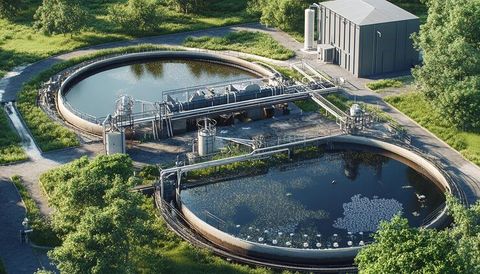
Water Treatment: Oxygen enrichment helps biological treatment processes in wastewater facilities.
Chemical Manufacturing: Oxygen is used in selected oxidation and production processes.
Aquaculture: Oxygen enrichment supports dissolved oxygen levels in fish farming systems.
Problems Addressed by PSA Technology
Traditional oxygen supply arrangements may involve storage, transportation, cylinder handling, and inventory management. A PSA plant can generate oxygen on-site, helping facilities manage these logistical requirements.
However, the actual oxygen concentration, production capacity, pressure, and purity must match the intended application.
Recent Updates
Oxygen generation technology continues to develop through improvements in automation, energy management, monitoring systems, and equipment design. Recent industry trends include more compact plant configurations and improved monitoring of operating conditions.
Developments in Oxygen PSA Systems
Modern systems increasingly incorporate programmable logic controllers (PLCs), digital pressure sensors, automated valves, and monitoring interfaces. These components help operators observe operating conditions and identify irregularities.
Energy efficiency is another important area of development. Manufacturers are working on compressor improvements, optimized adsorption cycles, and reduced air losses to manage electricity consumption.
Remote monitoring and predictive maintenance features are also becoming more common. These systems can help operators monitor pressure differences, operating hours, temperature, and equipment performance.
Laws or Policies
Oxygen PSA plants are subject to different technical, safety, and environmental requirements depending on their location and intended application. Industrial oxygen generation and medical oxygen production may also have different compliance requirements.
Regulatory Considerations in India
In India, facilities using oxygen PSA technology must consider applicable industrial safety, electrical installation, equipment, and healthcare regulations.
Important areas include:
Medical Oxygen Quality: Oxygen intended for medical use must meet applicable pharmaceutical quality and regulatory requirements.
Electrical Safety: Compressors, control panels, wiring, and electrical installations must follow relevant safety standards.
Pressure Equipment: Air receivers and associated pressure equipment must comply with applicable inspection and safety requirements.
Factory Safety: Industrial installations must follow relevant occupational health, workplace safety, and factory regulations.
Environmental Compliance: Facilities must consider applicable pollution control and environmental requirements.
Medical oxygen installations may also require additional technical validation, testing, documentation, and approval under applicable rules. Requirements depend on the facility, equipment configuration, and intended use.
Tools and Resources
Several technical tools help operators understand and monitor oxygen PSA plant performance. These resources are useful for installation planning, routine inspections, and equipment evaluation.
Important PSA Plant Components and Their Functions
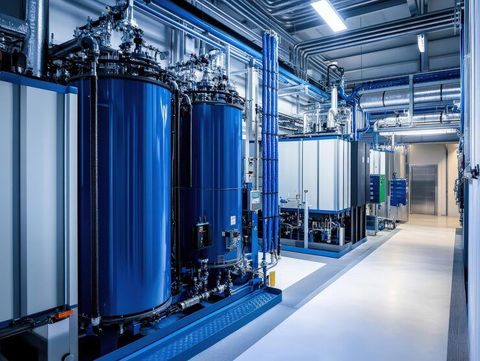
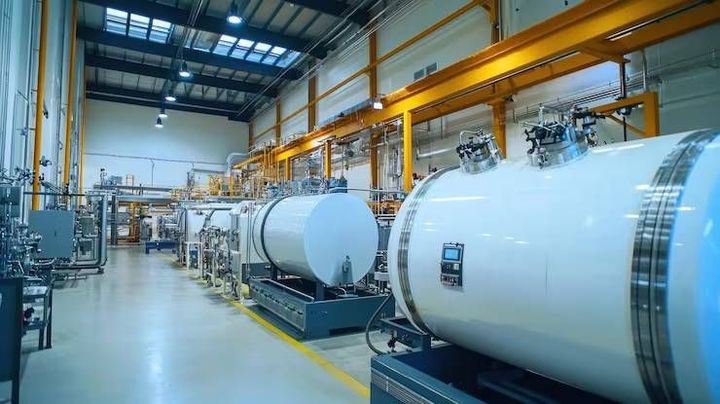
An oxygen PSA plant consists of several connected components that work together to separate oxygen from atmospheric air.
Component | Main Function |
|---|---|
Air Compressor | Compresses incoming atmospheric air |
Air Dryer | Removes moisture from compressed air |
Air Filters | Remove dust, oil particles, and contaminants |
Air Receiver Tank | Stores compressed air temporarily |
Zeolite Molecular Sieve | Selectively adsorbs nitrogen |
Adsorption Towers | Separate nitrogen from oxygen |
Oxygen Buffer Tank | Stores generated oxygen temporarily |
Control Panel | Manages automatic operating sequences |
Oxygen Analyzer | Measures oxygen concentration |
How Does an Oxygen PSA Plant Work?
The operating principle involves alternating pressure conditions inside two adsorption towers. The process generally follows these steps:
Air Intake: Atmospheric air enters the system through an intake filter.
Compression: The compressor increases the air pressure.
Air Treatment: Filters and dryers remove moisture and unwanted contaminants.
Nitrogen Separation: Compressed air enters an adsorption tower containing zeolite molecular sieve material. Nitrogen is retained while oxygen-enriched gas passes through.
Pressure Release: The first tower releases pressure, allowing the retained nitrogen to escape.
Tower Switching: The second tower begins adsorption while the first tower regenerates.
Oxygen Collection: Oxygen-enriched gas enters a buffer tank before distribution.
This alternating process supports continuous oxygen generation when the system operates within its designed capacity.
Helpful Technical Resources
Operators and facility planners may use:
Oxygen purity analyzers for concentration monitoring.
Pressure gauges for checking operating conditions.
Flowmeters for measuring oxygen output.
Maintenance checklists for recording inspections.
Equipment manuals for understanding operating procedures.
Oxygen demand calculators for estimating facility requirements.
FAQs
What Is an Oxygen PSA Plant?
An oxygen PSA plant is a gas separation system that produces oxygen-enriched gas from atmospheric air using pressure swing adsorption technology.
What Is the Oxygen Purity of a PSA Plant?
Medical PSA plants generally produce oxygen with a concentration of 93% ±3%, subject to applicable quality requirements and testing. Industrial applications may have different specifications.
What Is the Function of Zeolite in an Oxygen PSA Plant?
Zeolite molecular sieve material selectively adsorbs nitrogen under pressure, allowing oxygen-enriched gas to pass through the adsorption tower.
Why Does an Oxygen PSA Plant Have Two Towers?
Two towers allow adsorption and regeneration to alternate. While one tower separates nitrogen, the other releases retained nitrogen and prepares for the next cycle.
Where Are Oxygen PSA Plants Commonly Used?
They are used in hospitals, industrial facilities, laboratories, wastewater treatment plants, and aquaculture operations.
Conclusion
An oxygen PSA plant separates oxygen from atmospheric air through selective nitrogen adsorption using zeolite molecular sieve material. Its main components include compressors, filters, dryers, adsorption towers, storage tanks, and control systems. Alternating pressure cycles allow continuous oxygen generation within the designed operating capacity. Equipment monitoring, oxygen quality testing, and appropriate safety procedures remain important aspects of plant operation.