Shipyard Welder Roles: Essential Skills and Qualifications to Learn
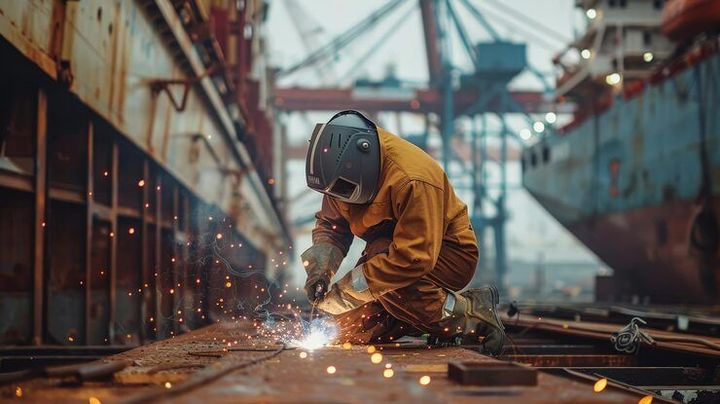
Shipyard welders help build and repair vessels. Their work supports ship construction, structural maintenance, and marine equipment production.
These professionals join metal components using specialized welding techniques. Their responsibilities can vary according to vessel designs, project requirements, materials, and workplace standards.
Importance of Shipyard Welders in Marine Construction
Shipbuilding involves numerous metal structures that require accurate joining and inspection. Welders contribute to the strength and durability of these structures by following technical drawings and established welding procedures.
Their work is important in several areas, including:
Ship construction: Joining steel plates, frames, decks, and supporting structures.
Marine repairs: Restoring damaged metal sections and replacing worn components.
Equipment installation: Connecting metal supports and structural components for marine machinery.
Maintenance activities: Addressing corrosion-related damage and structural deterioration.
The quality of welding can influence vessel performance, operational safety, and maintenance requirements.
Main Responsibilities of Shipyard Welders
Structural Welding
Structural welders connect large metal sections used in ship hulls, decks, bulkheads, and internal frameworks. They follow engineering drawings to maintain appropriate dimensions and alignment.
Pipe Welding
Pipe welders work on piping systems used for water, fuel, cooling, and other onboard applications. Their responsibilities include preparing joints, selecting suitable welding methods, and checking completed connections.
Equipment Preparation
Before welding, professionals inspect materials, clean surfaces, prepare joints, and arrange equipment. They may use cutting tools, grinders, clamps, and measuring instruments.
Inspection and Quality Control
Welders examine completed joints for visible defects, incorrect alignment, and other irregularities. Depending on project requirements, additional inspection methods may be performed by qualified inspection personnel.
Qualifications and Skills Required
Employers generally consider technical knowledge, practical experience, and workplace safety awareness when evaluating shipyard welding candidates.
Common shipyard welder requirements include:
Knowledge of welding processes and metal properties.
Ability to interpret technical drawings and welding symbols.
Experience with different welding positions.
Understanding of workplace safety procedures.
Familiarity with measuring and preparation equipment.
Ability to work in confined or challenging environments.
Some positions require recognized shipyard welding certification. Requirements vary according to the employer, project specifications, welding process, and applicable industry standards.
Training and Professional Development
Welding Training Programs
Shipyard welding training introduces learners to metal preparation, welding techniques, equipment handling, and safety procedures. Practical instruction helps participants understand how different materials respond to heat and welding processes.
Professional shipyard welding courses may also cover blueprint interpretation, joint preparation, and quality inspection fundamentals.
Apprenticeship Opportunities
A shipyard welding apprenticeship combines classroom instruction with supervised workplace experience. Participants gradually develop practical skills while learning about industrial equipment, production procedures, and workplace expectations.
Certification Considerations
Certification requirements depend on the welding process and the applicable project standards. Candidates may need practical assessments to demonstrate their ability to complete specific welding tasks.
Shipyard Welder Salary and Career Opportunities
Shipyard welder salary levels vary across employers and international markets. Experience, qualifications, technical specialization, working conditions, and project complexity can influence compensation.
| Career factor | Potential influence |
|---|---|
| Work experience | Demonstrated practical ability |
| Welding specialization | Technical responsibilities |
| Certification | Qualification recognition |
| Project complexity | Required skill level |
| Work location | Regional employment conditions |
Shipyard welder career opportunities may include structural welding, pipe welding, fabrication, maintenance, and welding supervision. Experienced professionals can also develop expertise in quality control or specialized marine construction activities.
Candidates researching shipyard welder vacancies should examine the required qualifications, welding processes, work schedules, and experience expectations before applying.
Equipment and Workplace Safety
Shipyard welding involves equipment designed for different materials and working conditions. Common equipment includes welding machines, protective clothing, welding helmets, gloves, ventilation systems, and metal preparation tools.
Shipyard welding equipment suppliers generally provide machinery and protective accessories suitable for industrial applications. Equipment selection should consider technical specifications, workplace conditions, and applicable safety requirements.
Important safety practices include:
Wearing appropriate protective equipment.
Maintaining adequate ventilation.
Checking electrical connections and equipment condition.
Following fire prevention procedures.
Using appropriate precautions in confined spaces.
Keeping welding areas organized and accessible.
Employers should establish safety procedures and provide relevant workplace instruction.
Frequently Asked Questions
What qualifications are needed for shipyard welder roles?
Requirements commonly include welding knowledge, practical experience, safety awareness, and relevant certifications. Specific qualifications depend on the position.
How can someone begin shipyard welding training?
Individuals can explore vocational welding programs, technical institutes, and supervised apprenticeship pathways that include practical instruction.
What affects shipyard welder salary?
Experience, welding specialization, qualifications, project requirements, and geographical location can influence salary levels.
Are welding certifications necessary for shipyard work?
Some projects require specific welding qualifications or practical testing. Candidates should review the relevant employer and project requirements.
Conclusion
Shipyard welder roles support vessel construction, structural repairs, and marine equipment maintenance. Understanding technical responsibilities, training pathways, qualifications, and safety procedures helps individuals evaluate this occupation. Practical experience and continued skill development can support professional growth across different areas of shipbuilding and marine engineering.