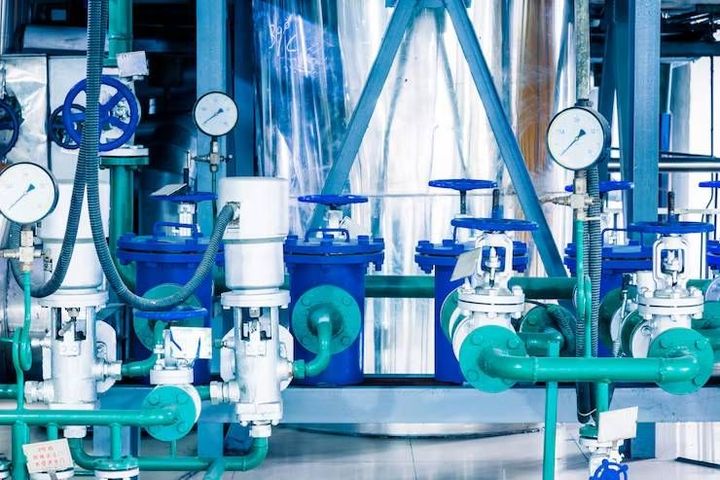
Pneumatic Control Solenoid Valves Basics With Flow Regulation and Operating Principles
Pneumatic control solenoid valves are important components in industrial automation systems that use compressed air to operate machinery, equipment, and mechanical devices.
These valves control the movement of air through a pneumatic circuit by opening, closing, or redirecting airflow. They combine electrical signals with mechanical movement, allowing automated systems to manage air pressure and direction without requiring continuous manual operation.
Pneumatic technology developed alongside industrial manufacturing, where compressed air became a practical way to operate machinery. As production systems became more automated, electrically controlled valves became increasingly important. Solenoid technology made it possible to control pneumatic operations through electrical signals from switches, sensors, programmable logic controllers (PLCs), and other automation devices.
What Is a Pneumatic Control Solenoid Valve?
A pneumatic control solenoid valve is an electromechanical device that regulates compressed air within a pneumatic system. It contains an electrical coil, a movable metal component called a plunger or armature, and an internal valve mechanism.
When electricity passes through the coil, it creates a magnetic field that moves the armature. This movement changes the internal position of the valve, allowing compressed air to pass through, stopping airflow, or redirecting it toward another connection.
These valves are commonly used in:
Industrial automation and assembly equipment.
Packaging and material handling machinery.
Pneumatic cylinders and actuators.
Food processing and manufacturing systems.
Air-operated tools and mechanical equipment.
Automated production and inspection systems.
Main Components of a Solenoid Valve
Understanding the internal components helps explain how pneumatic solenoid valves operate.
Solenoid coil: Produces a magnetic field when electrical power is applied.
Armature or plunger: Moves in response to the magnetic field.
Valve body: Contains the internal passages through which compressed air travels.
Seals: Help prevent unwanted air leakage between internal sections.
Spring: Returns the moving component to its original position in spring-return designs.
Ports: Provide connections for air supply, output, and exhaust.
Each component contributes to controlling airflow and maintaining the intended operation of the pneumatic circuit.
Common Types of Pneumatic Solenoid Valves
Pneumatic solenoid valves are available in different configurations depending on their operating requirements.
2/2-way valves: Have two ports and two operating positions. They commonly control basic air supply or shut-off functions.
3/2-way valves: Have three ports and two positions. They are frequently used with single-acting pneumatic cylinders.
5/2-way valves: Have five ports and two positions. They control airflow to extend and retract double-acting cylinders.
5/3-way valves: Have five ports and three positions. They provide an additional centre position for specific pneumatic control arrangements.
The selection of a valve configuration depends on the actuator, required movement, pressure conditions, and control arrangement.
Importance
Pneumatic control solenoid valves play an important role in modern industrial automation because they allow machines to respond to electrical instructions with controlled air movement. Without suitable control valves, pneumatic systems would require more manual intervention and could become difficult to coordinate with automated production processes.
These components affect manufacturing operators, equipment designers, maintenance technicians, and industries that depend on compressed-air technology. Their operation influences equipment movement, production consistency, machine coordination, and operational safety.
Why Flow Regulation Matters
Flow regulation determines how quickly compressed air enters or leaves a pneumatic component. Although a solenoid valve primarily controls the direction and availability of airflow, additional flow-control devices can regulate the rate at which air moves through the system.
For example, a pneumatic cylinder may move too quickly when airflow is unrestricted. This can create mechanical impact, vibration, noise, or inconsistent positioning. Regulating airflow helps control the movement speed of the cylinder.
Common flow-regulation methods include:
Meter-in control: Restricts the air entering an actuator to influence its movement speed.
Meter-out control: Restricts the exhaust air leaving an actuator, helping maintain more stable movement.
Flow-control valves: Adjust the quantity of air passing through a pneumatic connection.
Pressure regulators: Maintain an appropriate downstream pressure within the pneumatic circuit.
Flow regulation and solenoid valve operation work together, but they perform different functions. A solenoid valve directs or switches airflow, while a flow-control valve adjusts its rate.
Practical Benefits in Industrial Applications
Properly configured pneumatic control systems provide several operational advantages.
Automated movement: Electrical signals can control pneumatic cylinders and other actuators.
Repeatable operation: Consistent valve switching helps machinery perform repeated movements.
System coordination: Multiple valves can work together through a PLC-based control arrangement.
Reduced manual intervention: Automated switching reduces the need for operators to control every pneumatic movement.
Flexible configurations: Different valve arrangements support different actuator types and operating sequences.
These characteristics make pneumatic solenoid valves useful in equipment that requires repeated, coordinated, and controlled mechanical movement.
Recent Updates
Developments in pneumatic control technology between 2024 and 2026 reflect the wider movement toward connected manufacturing, energy awareness, and compact automation equipment. Traditional solenoid valves remain widely used, while manufacturers continue developing products with improved monitoring capabilities, electrical integration, and installation flexibility.
Integration with Smart Automation Systems
Modern industrial systems increasingly connect pneumatic components with digital control platforms. Solenoid valves can be integrated with PLCs, remote input-output modules, and industrial communication networks.
This allows control systems to monitor electrical commands and coordinate valve operations with sensors, actuators, and other machine components. Some advanced pneumatic platforms also provide diagnostic information that helps identify switching problems or electrical faults.
Energy-Efficient Pneumatic Operations
Compressed-air generation requires electrical energy, making air consumption an important consideration in industrial facilities. Current pneumatic system designs increasingly focus on reducing unnecessary air leakage, selecting suitable operating pressures, and improving airflow management.
Low-power solenoid coils and appropriately configured valve systems can contribute to lower electrical demand. However, actual energy performance depends on the complete pneumatic installation rather than the valve alone.
Compact Valve Manifolds
Compact pneumatic valve manifolds are becoming increasingly common in automated machinery. They combine multiple valves within a shared assembly, reducing the space required for separate components.
Some configurations include electrical connectors and communication interfaces that simplify integration with control cabinets and machine networks. These arrangements are particularly relevant to packaging equipment, assembly lines, and compact production machinery.
Improved Diagnostic Capabilities
Advanced pneumatic control arrangements may include pressure sensors, electrical monitoring, and diagnostic functions. These features help operators identify abnormal conditions, such as insufficient pressure, unexpected switching behaviour, or communication interruptions.
Not every solenoid valve includes these capabilities. Their availability depends on the product design and the connected automation platform.
Laws or Policies
Pneumatic control solenoid valves are affected by industrial safety, electrical equipment, machinery, and pressure-related regulations. Requirements vary according to the country, equipment category, operating environment, and intended application.
Industrial Safety and Equipment Standards in India
In India, pneumatic equipment used in industrial environments may fall under different regulatory and technical requirements depending on its application.
Relevant considerations include:
Bureau of Indian Standards (BIS): Indian Standards provide technical requirements for various electrical, mechanical, and industrial products. Applicable standards depend on the equipment category.
Occupational Safety, Health and Working Conditions Code: Industrial workplaces must consider applicable occupational safety requirements, including machinery-related hazards.
Electrical safety requirements: Solenoid coils, wiring, connectors, and control panels must be suitable for their electrical ratings and installation conditions.
Pressure equipment requirements: Compressed-air receivers and other pressure-related equipment may be subject to applicable pressure equipment rules and safety provisions.
International Technical Standards
Several international standards help establish consistent requirements for pneumatic equipment and industrial automation.
ISO 1219 addresses graphical symbols and circuit diagrams for fluid power systems. ISO 4414 provides safety requirements for pneumatic fluid power systems and their components.
IEC 60529 defines degrees of protection provided by electrical enclosures through IP classifications. These classifications help describe protection against dust and water exposure.
Compliance depends on the complete equipment configuration, applicable regulations, and installation environment. A valve's individual specification does not automatically establish compliance for an entire machine.
Tools and Resources
Selecting and maintaining pneumatic control solenoid valves requires an understanding of pressure, airflow, electrical ratings, connection sizes, and actuator requirements. Several technical resources help engineers, technicians, and general readers understand these factors.
Pneumatic Circuit Design Tools
Pneumatic circuit design software helps users create diagrams showing valves, cylinders, air supplies, flow-control devices, and exhaust connections. These diagrams make it easier to understand how different components interact within a pneumatic system.
Airflow and Pressure Calculators
Pneumatic calculators help estimate airflow requirements, pressure relationships, cylinder movement, and air consumption. These calculations are useful when planning pneumatic circuits or comparing different operating configurations.
Common calculations include:
Cylinder force based on operating pressure and piston area.
Air consumption based on cylinder dimensions and operating cycles.
Approximate airflow requirements for pneumatic actuators.
Pressure losses across pipes, fittings, and control components.
Technical Datasheets and Product Manuals
Technical datasheets provide important information about individual solenoid valve models. Readers can examine the following specifications before understanding a particular installation:
Operating pressure range.
Electrical voltage and power consumption.
Valve configuration and number of ports.
Flow capacity and connection dimensions.
Response time and operating frequency.
Temperature range and enclosure protection.
Coil insulation and electrical connection details.
Pneumatic Training and Simulation Platforms
Educational simulation platforms help beginners understand pneumatic circuit behaviour without operating physical machinery. Users can explore valve switching, cylinder movement, air supply, and exhaust arrangements through simulated circuit diagrams.
These resources support basic learning and technical understanding, although actual industrial installations require suitable equipment specifications and safety procedures.
FAQs
What Is the Main Function of a Pneumatic Control Solenoid Valve?
Its main function is to control compressed-air movement through an electrical signal. It opens, closes, or redirects airflow to operate pneumatic cylinders, actuators, and other air-powered equipment.
How Does a Pneumatic Solenoid Valve Work?
When electrical power reaches the solenoid coil, a magnetic field moves an internal armature. This changes the valve position and controls the direction or availability of compressed air. When power is removed, a spring or another control mechanism may return the valve to its previous position.
What Is the Difference Between a Solenoid Valve and a Flow Control Valve?
A solenoid valve controls the switching or direction of airflow, whereas a flow-control valve regulates the rate at which air passes through a pneumatic circuit. Both can be used together to control actuator movement.
What Are 5/2-Way Pneumatic Solenoid Valves Used For?
A 5/2-way pneumatic solenoid valve has five ports and two operating positions. It is commonly used to control double-acting pneumatic cylinders by directing compressed air to either side of the cylinder piston.
How Do You Select a Pneumatic Solenoid Valve?
Selection depends on several technical factors, including operating pressure, required airflow, voltage, port configuration, response requirements, temperature conditions, and compatibility with the pneumatic actuator. The manufacturer's technical specifications should match the intended application.
Conclusion
Pneumatic control solenoid valves connect electrical control systems with compressed-air machinery, allowing automated equipment to manage airflow and mechanical movement. Their operating principles depend on electromagnetic action, internal valve mechanisms, and suitable pneumatic configurations. Flow regulation complements solenoid switching by controlling actuator movement and system behaviour. Developments in connected automation, compact valve assemblies, and diagnostic capabilities continue to influence modern pneumatic technology.