Autonomous Mining Machinery Explained: Types, Components, Applications, Benefits and Challenges
Autonomous mining machinery refers to mining equipment that uses sensors, computer systems, navigation technology, and automated controls to perform tasks with limited or no direct human operation. Autonomous mining machinery includes haul trucks, drilling rigs, loaders, and other equipment used to extract and transport minerals. These systems are designed to follow planned routes, recognize operating conditions, and carry out defined activities within a mine.
Context
Autonomous mining machinery refers to mining equipment that uses sensors, computer systems, navigation technology, and automated controls to perform tasks with limited or no direct human operation. Autonomous mining machinery includes haul trucks, drilling rigs, loaders, and other equipment used to extract and transport minerals. These systems are designed to follow planned routes, recognize operating conditions, and carry out defined activities within a mine.
The development of autonomous mining equipment grew from earlier industrial automation and remote-control systems. As computing power, satellite positioning, wireless communication, and machine sensors improved, mining operators gained more ways to automate repetitive and physically demanding tasks. Today, autonomous systems are used in some surface and underground mines, although the level of automation varies by equipment, site conditions, and operational requirements.
Understanding Autonomous Mining Machinery
Autonomous machinery differs from conventional equipment because it can perform selected tasks using programmed instructions and information collected from its surroundings. A remotely operated machine is controlled by a person from another location, while an autonomous machine can make certain operational decisions within predefined limits. Some mining operations combine both methods, allowing automated equipment to work under human supervision.
Autonomy does not mean that human involvement is unnecessary. Operators, engineers, maintenance teams, and control-room personnel may still plan routes, monitor equipment, respond to alerts, and manage unexpected situations. The degree of human oversight depends on the machine and the environment in which it operates.
Main Types of Autonomous Mining Machinery
Different machines support different stages of mining activity:
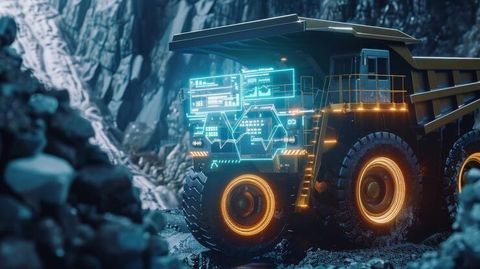
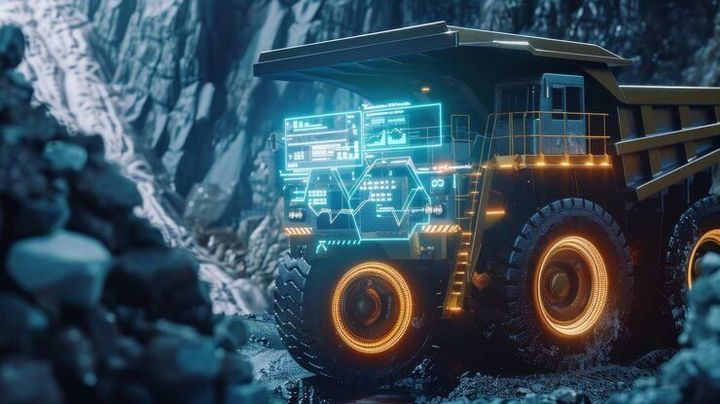
Autonomous haul trucks: Transport ore, waste rock, and other materials between loading areas and designated destinations.
Autonomous drilling rigs: Position drilling equipment and carry out programmed drilling patterns.
Autonomous loaders: Collect and move broken rock, particularly in underground mining operations.
Automated dozers: Level surfaces, move material, and support road or dump-area preparation.
Remote-controlled underground machines: Allow personnel to operate equipment from a safer location, even when full autonomy is unavailable.
Autonomous inspection equipment: Uses mobile robots, cameras, or drones to collect information about selected mining areas.
Each category has different requirements for navigation, communication, environmental awareness, and human supervision.
Importance
Autonomous mining machinery matters because mining involves heavy equipment, changing terrain, dust, vibration, and activities that can expose workers to physical hazards. Automating selected tasks can reduce the need for people to remain near moving machinery or enter certain hazardous areas. However, automation introduces its own risks and requires careful planning, testing, and oversight.
Mining operations also need to move large quantities of material while coordinating drilling, loading, transportation, and processing. When machines operate according to coordinated schedules and monitored routes, automated systems can help organize these activities. Actual results depend on equipment design, site layout, maintenance practices, and the reliability of supporting technology.
Benefits and Operational Challenges
Autonomous mining systems can provide several operational benefits, but they also create practical challenges.
Potential benefits include:
Worker separation: Some tasks can be performed without placing personnel directly beside heavy moving equipment.
Consistent operation: Programmed systems can repeat defined movements and work sequences.
Operational monitoring: Sensors can collect information about equipment status, location, and operating conditions.
Coordinated movement: Fleet management systems can help organize truck routes and loading schedules.
Remote access: Control-room personnel may monitor machinery from designated areas away from the immediate worksite.
Important challenges include high initial investment, integration with existing equipment, communication interruptions, software faults, cybersecurity risks, and the need for specialized maintenance. Unexpected obstacles, poor visibility, unstable ground, and changing worksite layouts can also affect autonomous operation.
Comparing Mining Equipment Types
| Machinery type | Main function | Common automation requirement |
|---|---|---|
| Haul truck | Material transportation | Navigation, obstacle detection, fleet coordination |
| Drilling rig | Drilling planned holes | Positioning, drilling control, equipment monitoring |
| Underground loader | Loading and moving rock | Local navigation, remote monitoring, hazard detection |
| Dozer | Surface preparation and material movement | Route control, terrain awareness, positioning |
| Inspection robot | Site observation and data collection | Sensors, mapping, communication links |
The level of automation is not identical across these categories. Some systems perform only specific automated functions, while others can complete longer sequences of work under a defined operating plan.
Recent Updates
From 2024 through 2026, autonomous mining technology has continued to develop through improvements in machine perception, fleet coordination, connectivity, and data analysis. Mining companies and equipment manufacturers have been exploring ways to coordinate multiple autonomous machines and connect equipment data with wider mine-planning systems. Adoption remains uneven because mines differ in size, geology, infrastructure, and technical readiness.
Artificial Intelligence and Sensor Technology
Autonomous mining equipment may combine cameras, radar, lidar, satellite positioning, inertial sensors, and digital maps to understand its position and surrounding environment. These technologies help machines detect obstacles, estimate distances, follow routes, and respond to changing conditions. No single sensor works equally well in every environment, particularly where dust, darkness, vibration, or underground structures interfere with detection.
Artificial intelligence can help interpret sensor data, identify patterns, and support selected operating decisions. Predictive maintenance systems also analyze equipment information to identify possible signs of wear or abnormal operation. These tools support human decision-making, but their accuracy depends on data quality, system design, and operating conditions.
Connected and Integrated Mining Operations
Modern mines increasingly use digital platforms to coordinate equipment, track material movement, and monitor production activities. Autonomous vehicles may exchange information with fleet management systems and control rooms through site communication networks. Underground environments can require specialized communication infrastructure because satellite positioning is generally unavailable beneath the surface.
Another development is the gradual integration of autonomous equipment with digital twins and mine-planning software. A digital twin is a computer-based representation of a physical asset or operation that can be updated with operational information. It may help engineers examine layouts, evaluate operating scenarios, and identify potential bottlenecks, although the usefulness of the model depends on how accurately it represents real conditions.
Laws or Policies
Autonomous mining machinery operates within a regulatory framework that covers worker safety, mine management, equipment operation, environmental protection, and, where applicable, data security. Requirements vary between countries and may also differ between surface mines, underground mines, and particular types of mineral extraction.
Mining Regulations in India
In India, mining operations are governed by laws and rules that address mineral development, worker safety, environmental protection, and the operation of mines. The Mines Act, 1952, and the Mines Rules, 1955, have historically formed part of the mining safety framework, alongside regulations and standards applicable to particular mining activities. The Occupational Safety, Health and Working Conditions Code, 2020, is also relevant to India's broader workplace safety framework, subject to its commencement and applicable implementation arrangements.
The Directorate General of Mines Safety (DGMS), under the Ministry of Labour and Employment, oversees important aspects of mine safety and related technical requirements. Mining operators need to determine which current rules, approvals, technical standards, and safety procedures apply to their equipment and site. Introducing autonomous machinery does not remove the need to manage workplace hazards or maintain appropriate supervision.
Worker Safety and Equipment Controls
Autonomous equipment requires procedures for machine access, maintenance, emergency stops, restricted operating zones, and communication failures. Workers need to understand how automated machines behave, how to recognize warning signals, and how to enter or leave operating areas safely. Risk assessments should address both normal operation and situations in which automation fails or equipment behaves unexpectedly.
Environmental permissions, mine plans, and other applicable approvals may also affect where and how equipment can operate. The relevant requirements depend on the type of mine, its location, and the technology being introduced. Regulatory obligations should therefore be assessed for each project rather than assumed to be identical across all mining sites.
Tools and Resources
Several technical tools help mining teams evaluate, monitor, and maintain autonomous machinery. The choice of platform depends on the equipment, operating environment, available infrastructure, and the purpose of the system.
Fleet Management and Simulation Tools
Fleet management systems track equipment positions, movement, assignments, and operating status. In autonomous mining, these systems can coordinate haul trucks with loading points, dumping areas, and other vehicles. Their effectiveness depends on accurate site maps, reliable communications, and clear rules for handling traffic conflicts.
Simulation software can model vehicle routes, loading areas, and operational scenarios before changes are introduced at a mine. Engineers may use these models to evaluate traffic flow, test planned layouts, or examine how equipment could respond to specific situations. Simulation results represent modeled conditions and should not be treated as a complete substitute for real-world testing.
Maintenance and Monitoring Resources
Condition-monitoring platforms collect data about temperature, vibration, pressure, energy use, and equipment performance. Maintenance teams can use these measurements to investigate unusual behavior and plan inspections. Sensor readings need to be interpreted alongside maintenance records and equipment specifications.
Useful information sources include the Directorate General of Mines Safety website, the Ministry of Mines website, equipment manufacturers' technical documentation, and recognized mining engineering publications. These resources can help readers understand current regulations, machinery specifications, and automation practices.
Practical Evaluation Checklist
When assessing autonomous mining machinery, an organization may consider:
The task to be automated and the operating environment.
Navigation, obstacle detection, and communication requirements.
Compatibility with existing vehicles and mine-planning systems.
Worker training, emergency procedures, and restricted access zones.
Maintenance needs, cybersecurity controls, and system updates.
Applicable legal requirements, testing procedures, and documentation.
A structured evaluation helps distinguish the machine's stated capabilities from the functions that have been validated under actual site conditions.
FAQs
What is autonomous mining machinery?
Autonomous mining machinery uses sensors, software, and automated controls to perform selected mining tasks with limited direct human operation. Examples include haul trucks, drilling rigs, and underground loaders.
What are the main types of autonomous mining equipment?
Common types include autonomous haul trucks, drilling rigs, loaders, dozers, and inspection robots. Their capabilities vary according to their design and operating environment.
How does AI work in autonomous mining machinery?
Artificial intelligence can help process sensor data, identify obstacles, interpret operating patterns, and support selected machine decisions. Its performance depends on data quality, sensor capabilities, and site conditions.
What are the main challenges of autonomous mining equipment?
Challenges include system integration, communication failures, cybersecurity, maintenance requirements, changing terrain, and worker training. Unexpected conditions may require human intervention.
What regulations apply to autonomous mining machinery in India?
Applicable requirements may cover mine safety, equipment operation, environmental protection, and worker training. The DGMS and relevant government authorities provide regulatory information, and operators must identify the rules currently applicable to their mines.
Conclusion
Autonomous mining machinery combines heavy equipment with sensors, software, navigation, and automated controls to perform selected mining tasks. Its applications include transportation, drilling, loading, surface preparation, and inspection. Although automation can support worker separation and operational coordination, it also creates technical, maintenance, and safety challenges. Effective use depends on suitable infrastructure, trained personnel, careful testing, and compliance with applicable mining regulations.

You May Also Like