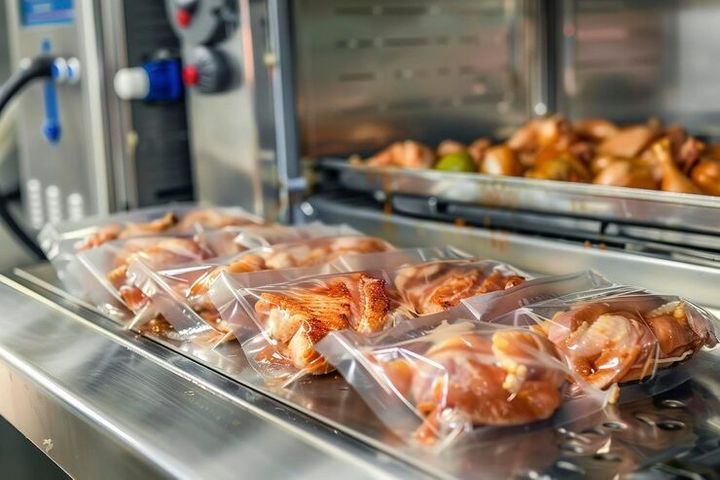
Vacuum Packaging Machines Explained: Types, Working Principles, Features, Benefits and Applications
Vacuum packaging machines are devices that remove air from a package before sealing it. They are widely used in food processing, manufacturing, healthcare-related packaging, electronics, and other industries where controlling the air inside a package is important. A vacuum packaging machine typically places a product inside a suitable bag or container, extracts air, and seals the package to create a closed environment.
Context
Vacuum packaging machines are devices that remove air from a package before sealing it. They are widely used in food processing, manufacturing, healthcare-related packaging, electronics, and other industries where controlling the air inside a package is important. A vacuum packaging machine typically places a product inside a suitable bag or container, extracts air, and seals the package to create a closed environment.
The development of vacuum packaging is closely connected to the need to preserve food, protect products during storage, and reduce exposure to oxygen and moisture. Traditional packaging often leaves air around a product, which may contribute to oxidation, changes in quality, or damage during transportation. Vacuum packaging provides a way to reduce the amount of air surrounding a product, although it does not eliminate every cause of spoilage or deterioration.
Today, vacuum packaging machines range from small countertop units to automated industrial systems. Their design depends on the product being packaged, the packaging material, the required production volume, and the storage conditions.
Understanding Vacuum Packaging Machines
A vacuum packaging machine generally uses a pump to remove air from a bag or chamber. A heating element then seals the packaging material, helping maintain the reduced-pressure environment inside the package. Some systems use additional methods, such as gas flushing, to adjust the atmosphere surrounding the product.
Vacuum packaging is different from ordinary heat sealing because air removal occurs before the package is closed. However, not every product is suitable for vacuum packaging. Soft foods can become compressed, delicate items may require protective supports, and certain products need specialized packaging conditions.
Importance
Vacuum packaging machines help manufacturers and food processors manage product protection, storage, and transportation. In food applications, reducing oxygen exposure can slow certain forms of oxidation and help limit the growth of some spoilage organisms when combined with appropriate handling and storage. In industrial settings, sealed packaging can protect components from dust, moisture exposure, and environmental contamination.
These machines are relevant to food manufacturers, restaurants, agricultural processors, electronics producers, laboratories, and packaging facilities. The appropriate system depends on the product's characteristics, production requirements, and applicable safety standards.
Main Benefits and Limitations
Vacuum packaging provides several practical benefits:
Reduced oxygen exposure: Removing much of the air can slow oxidation in products that are sensitive to oxygen.
Compact packaging: Flexible packages may occupy less space when excess air is removed.
Product protection: A suitable sealed package can help reduce exposure to dust and some external contaminants.
Storage organization: Clearly sealed packages can simplify labeling, portioning, and inventory management.
Transportation support: Properly packaged components may be easier to arrange and protect during handling.
There are also limitations. Vacuum packaging does not sterilize a product, remove every microorganism, or make perishable food safe at room temperature. Some harmful microorganisms can grow in low-oxygen environments, so appropriate refrigeration, processing, shelf-life controls, and food-safety procedures remain essential.
Industries That Use Vacuum Packaging
Vacuum packaging machines serve different purposes across several sectors. Food processors use them for meat, seafood, cheese, coffee, and prepared ingredients. Electronics and manufacturing companies may package sensitive components to limit exposure to moisture, dust, or corrosion during storage and shipment.
Other applications include packaging certain medical products, laboratory materials, textiles, and industrial components. Medical and sterile packaging requires specialized materials and validated processes; an ordinary vacuum packaging machine is not automatically suitable for sterile medical devices.
Recent Updates
From 2024 through 2026, vacuum packaging technology has continued to develop alongside wider trends in automated manufacturing, packaging material design, energy management, and product traceability. The extent of adoption varies by industry, equipment capacity, and regional requirements. Many developments focus on improving process consistency, reducing material waste, and making packaging operations easier to monitor.
Automation and Smart Monitoring
Modern industrial vacuum packaging machines may incorporate programmable controls, touchscreen interfaces, sensors, and automated conveyor systems. These features can help operators manage vacuum levels, sealing temperatures, cycle duration, and production settings.
Some systems also record operating information to support maintenance planning and quality checks. Sensors can identify certain process deviations, but the presence of digital monitoring does not by itself establish that every package is properly sealed. Regular inspection and validated procedures remain important.
Packaging Materials and Resource Efficiency
Packaging manufacturers continue to explore materials designed to provide suitable oxygen and moisture barriers while supporting reduced material use or improved recyclability. Material performance varies according to its structure, thickness, seal characteristics, and intended application.
Vacuum packaging equipment may also incorporate more precise controls to reduce unnecessary energy use and packaging defects. However, environmental effects depend on the complete packaging system, including material production, transport, product preservation, and end-of-life disposal. A package described as recyclable may still depend on local collection facilities and recycling rules.
Laws or Policies
Vacuum packaging machines and their use are affected by equipment safety requirements, food-safety regulations, packaging standards, and industry-specific rules. Requirements depend on the product, the intended use, and the country in which the equipment operates. Manufacturers and operators must distinguish between general packaging equipment and systems intended for regulated applications.
Food Safety Regulations in India
In India, food businesses are subject to applicable requirements under the Food Safety and Standards Act, 2006, and relevant regulations issued by the Food Safety and Standards Authority of India (FSSAI). These rules cover areas such as food hygiene, handling, packaging, labeling, and other requirements relevant to the particular food business.
Vacuum packaging does not replace safe food processing or temperature control. Businesses handling vacuum-packed meat, seafood, dairy products, or prepared foods need procedures appropriate to the product, including control of storage conditions and shelf life. Labeling requirements may also apply, depending on the product and its distribution.
Equipment Safety and Packaging Standards
Industrial machines should be designed, installed, and operated with suitable safeguards. Important considerations include electrical safety, protection around moving parts, emergency stops, safe access for cleaning, and maintenance procedures. Applicable Indian standards and legal requirements depend on the equipment category and operating environment.
Packaging materials used for food contact must meet relevant requirements for their intended use. Materials designed for industrial components may not be suitable for direct food contact. Businesses should check technical documentation, material specifications, and applicable compliance records rather than assuming that all vacuum bags are interchangeable.
Tools and Resources
Several technical resources help users understand vacuum packaging machines, compare specifications, and monitor packaging performance. The appropriate resource depends on whether the user is selecting equipment, operating a packaging line, or checking product safety.
Machine Selection and Technical Documentation
Manufacturer specification sheets generally describe chamber dimensions, pump capacity, sealing bar length, cycle settings, electrical requirements, and supported packaging materials. These details help determine whether a machine is suitable for a particular product and production environment.
Equipment manuals explain operating procedures, cleaning instructions, routine maintenance, and troubleshooting. Technical support documentation may also identify suitable replacement parts and maintenance intervals. Machine capacity should be assessed against actual product dimensions and production needs rather than pump capacity alone.
Quality Control and Maintenance Tools
Packaging operations may use vacuum gauges, seal-strength testing equipment, leak-detection methods, and inspection checklists. These tools help identify problems such as incomplete seals, punctured bags, or inconsistent packaging conditions. Testing methods should be selected according to the packaging material and the risk associated with the product.
A basic maintenance log can record pump inspections, oil changes where applicable, sealing element replacement, cleaning, and reported faults. A quality checklist can record package appearance, seal integrity, production settings, and inspection results. For food applications, these records should fit into the broader food-safety management system.
Comparing Common Machine Types
| Machine type | Working approach | Typical applications |
|---|---|---|
| External vacuum sealer | Extracts air through an opening in the bag | Household use and small packaging operations |
| Chamber vacuum machine | Removes air from an enclosed chamber before sealing | Food portions and commercial packaging |
| Double-chamber machine | Alternates loading and vacuum cycles between chambers | Higher-volume production |
| Conveyor belt system | Moves products through an automated packaging process | Industrial and continuous packaging lines |
| Thermoforming vacuum system | Forms packaging from a material roll, then evacuates and seals it | Large-scale food and product packaging |
These machine types differ in output, package size, operating complexity, and maintenance requirements. The packaging material and product shape also influence the suitability of each system.
FAQs
How do vacuum packaging machines work?
Vacuum packaging machines remove air from a bag or chamber using a vacuum pump. The machine then seals the packaging material to maintain a reduced-air environment around the product.
What are the main types of vacuum packaging machines?
Common types include external vacuum sealers, chamber machines, double-chamber systems, conveyor belt machines, and thermoforming systems. Their suitability depends on product dimensions, packaging requirements, and production volume.
What are the main benefits of vacuum packaging machines?
They can reduce oxygen exposure, help protect products during storage, improve packaging organization, and reduce the space occupied by some products. The results depend on the product, packaging material, sealing quality, and storage conditions.
Are vacuum packaging machines suitable for all foods?
No. Some foods require specialized handling, protective packaging, or strict temperature controls. Vacuum packaging alone does not eliminate harmful microorganisms or make perishable foods safe without appropriate storage.
How is a vacuum packaging machine maintained?
Maintenance commonly includes cleaning, inspecting seals, checking the vacuum pump, examining electrical components, and replacing worn parts according to the equipment manual. Maintenance frequency depends on the machine design and operating conditions.
Conclusion
Vacuum packaging machines remove air before sealing a package and are used across food processing, manufacturing, and other industries. Different machine types support different product sizes, materials, and production volumes. Automation and improved monitoring can help manage packaging operations, while suitable materials and maintenance remain important for package integrity. Applicable safety, food-handling, and packaging regulations depend on the product and operating location.

You May Also Like