Ultimate Guide to Road Construction Equipment
Comprehensive overview of road construction equipment types, capabilities, and selection criteria for infrastructure projects and contractors.
Road construction equipment forms the backbone of modern infrastructure development, enabling contractors and municipalities to build, repair, and maintain transportation networks efficiently. From initial site preparation to final surface finishing, specialized machinery performs distinct functions that collectively transform raw land into functional roadways. Understanding equipment types, operational capabilities, and selection criteria is essential for project managers, contractors, and procurement professionals who need to make informed decisions about resource allocation and project planning.
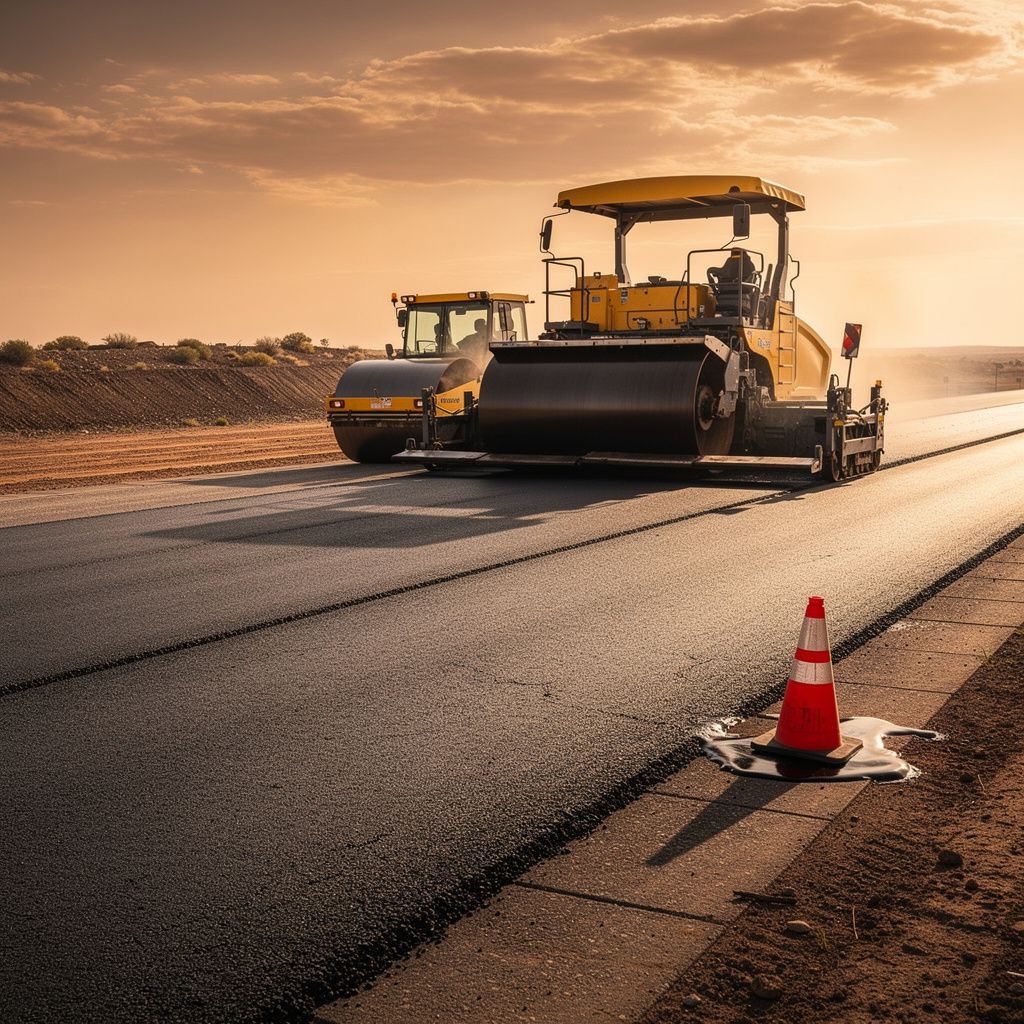
Core Benefits and Practical Limitations of Road Construction Equipment
Road construction equipment delivers measurable advantages when properly selected and deployed. Mechanized earthmoving increases productivity by 300 to 500 percent compared to manual labor, reducing project timelines significantly. Modern compaction equipment achieves uniform density specifications that manual methods cannot replicate, resulting in longer pavement lifespan and reduced maintenance costs. Asphalt pavers provide consistent layer thickness and temperature control, improving surface quality and durability. Equipment rental options reduce capital expenditure for contractors managing multiple concurrent projects, offering operational flexibility without ownership burdens.
Practical limitations require careful consideration during project planning. Equipment requires skilled operators with proper certifications and training, increasing labor costs. Fuel consumption and maintenance expenses accumulate rapidly, particularly for large machinery operating continuously. Site access limitations, including narrow passages and weight restrictions on existing infrastructure, may prevent deployment of optimal equipment sizes. Weather conditions directly impact equipment performance and material application, requiring scheduling adjustments and contingency planning. Initial equipment mobilization and demobilization costs can represent 10 to 15 percent of total project expenses for smaller jobs.
Equipment Types and Technical Variations
Earthmoving equipment forms the foundation of road construction operations. Excavators remove topsoil and unsuitable materials, with bucket capacities ranging from 0.5 to 4.5 cubic meters depending on machine size. Dozers push and grade materials, with blade widths from 2.4 to 4.3 meters creating proper slope and drainage. Graders establish precise surface elevations and cross-slopes, with cutting widths up to 4.3 meters and laser-guided systems enabling accuracy within 25 millimeters. Motor graders feature articulated frames that improve steering and maneuverability on soft or uneven terrain.
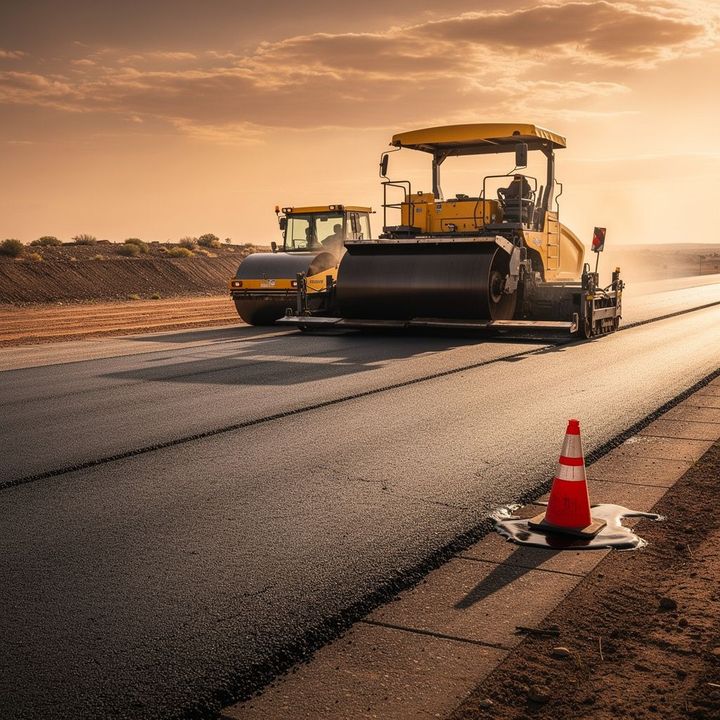
Compaction equipment consolidates materials to specified densities. Vibratory rollers operate at frequencies between 1,200 and 2,400 vibrations per minute, with static weights from 8 to 25 metric tons. Pneumatic-tired rollers distribute loads across multiple tires, preventing material sticking and providing better traction on asphalt. Plate compactors suit confined spaces and shallow lifts, with compaction forces reaching 15 to 25 kilonewtons. Static steel rollers apply consistent pressure without vibration, suitable for finishing operations and sensitive materials.
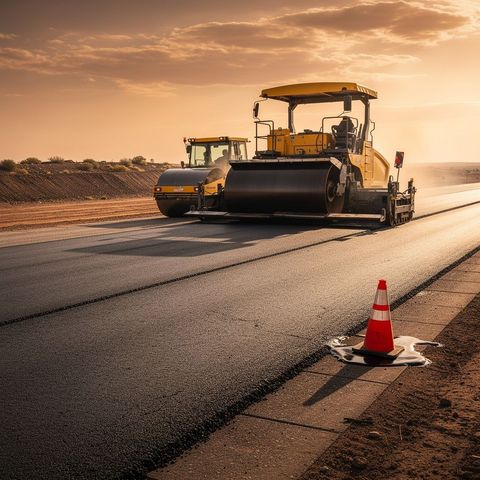
Asphalt paving equipment applies hot-mix asphalt with precise control. Asphalt pavers distribute material at rates from 50 to 500 metric tons per hour, with screed widths adjustable from 1.5 to 9 meters. Heated screws maintain asphalt temperature within 5 to 10 degrees Celsius of optimal range, preventing premature cooling and segregation. Tractor units power material flow and steering, with horsepower ratings from 100 to 400 depending on paver size. Truck-mounted or self-propelled configurations provide flexibility for different project scales.
Material handling equipment manages aggregate and asphalt distribution. Wheel loaders move materials into paver hoppers or stockpiles, with bucket capacities from 1.5 to 5 cubic meters. Articulated dump trucks transport materials across job sites, with payload capacities from 15 to 40 metric tons. Aggregate spreaders distribute stone base materials uniformly before compaction, with spreading widths up to 6 meters.
Current Trends and Technological Innovations
GPS and laser-guided systems represent significant advancements in road construction precision. Automated grade control maintains elevation within plus or minus 25 millimeters, eliminating manual surveying and reducing rework. Real-time machine positioning enables operators to visualize design grades directly on equipment displays, improving efficiency and accuracy. Integration with project management software allows remote monitoring of equipment performance, fuel consumption, and operational hours.
Hybrid and electric equipment options are expanding as environmental regulations tighten. Hybrid compactors reduce fuel consumption by 20 to 30 percent through regenerative energy capture during vibration cycles. Electric plate compactors eliminate emissions for confined indoor spaces and sensitive urban environments. Battery-powered equipment requires shorter charging periods as battery technology improves, with some models achieving 8 to 10 hours of continuous operation.
Telematics systems provide comprehensive equipment monitoring and predictive maintenance. Sensors track engine temperature, hydraulic pressure, fuel levels, and operating hours, transmitting data to fleet management platforms. Maintenance alerts notify operators of service requirements before failures occur, reducing unexpected downtime. Fuel consumption analytics identify inefficient operation patterns, enabling operator training and cost optimization.
Recycled asphalt pavement (RAP) equipment enables sustainable road rehabilitation. In-place recycling machines heat and remix existing pavement without removal, reducing material waste and transportation costs. Cold-in-place recycling equipment binds existing asphalt with emulsion, creating stable base layers from deteriorated pavement. These technologies reduce environmental impact while maintaining structural performance.
Key Features and Specifications to Evaluate
Operating capacity represents the primary selection criterion. Bucket capacity for excavators and loaders determines material movement rates, measured in cubic meters per hour. Paving width and thickness capabilities must match design specifications, with adjustability for varying project requirements. Compaction force and frequency determine consolidation effectiveness, requiring alignment with material type and lift thickness specifications.
Fuel efficiency significantly impacts operating costs. Horsepower-to-weight ratios indicate efficiency, with modern equipment achieving 1.5 to 2.5 horsepower per metric ton. Hydraulic systems with proportional controls reduce fuel consumption compared to fixed-displacement pumps. Idle shutdown systems automatically stop engines during inactive periods, preventing unnecessary fuel waste.
Operator comfort and safety features influence productivity and liability exposure. Enclosed cabs with air conditioning and dust filtration enable longer operating shifts in harsh conditions. Visibility enhancements including backup cameras, proximity sensors, and LED lighting reduce accident risk. Vibration isolation systems reduce operator fatigue during extended compaction operations, with modern suspensions limiting vibration exposure to occupational safety limits.
Maintenance accessibility affects downtime and repair costs. Modular hydraulic systems enable quick component replacement without complete system disassembly. Sealed bearing assemblies reduce contamination and extend service intervals to 2,000 to 4,000 operating hours. Standardized attachment points allow quick switching between different tools and implements, maximizing equipment versatility.
Industry Landscape and Notable Implementations
Major equipment manufacturers including Caterpillar, Komatsu, Volvo, and John Deere dominate the road construction market through continuous innovation and service networks. Regional manufacturers in Asia and Europe provide cost-effective alternatives for specific applications. Equipment rental companies including United Rentals and H&E Equipment Services operate fleets exceeding 500,000 units, enabling contractors to access specialized machinery without capital investment.
Large-scale infrastructure projects demonstrate equipment integration at scale. Interstate highway reconstruction projects deploy 50 to 100 pieces of equipment simultaneously, requiring sophisticated coordination and logistics. Urban road rehabilitation in congested areas utilizes compact equipment and night-time operations to minimize traffic disruption. Rural road development in developing regions employs simpler equipment with lower operating costs and easier maintenance.
Sustainability initiatives increasingly influence equipment selection. California's strict emissions regulations drive adoption of Tier 4 Final engines that reduce particulate matter by 90 percent compared to older models. European Union directives mandate equipment stage compliance, with Stage V regulations requiring selective catalytic reduction systems. Green certification programs reward contractors utilizing low-emission equipment, providing competitive advantages in public procurement bidding.
Selection and Decision-Making Framework
Project scope analysis forms the foundation of equipment selection. Determine total material volume requiring movement, compaction, or paving by calculating project area and depth specifications. Identify site constraints including access width, weight restrictions on existing structures, and proximity to utilities. Assess timeline requirements and seasonal limitations that may restrict equipment deployment windows.
Cost-benefit analysis compares ownership versus rental economics. Equipment purchase suits contractors with continuous workload and utilization rates exceeding 70 percent annually. Rental options provide flexibility for seasonal projects or specialized applications requiring equipment only briefly. Calculate total cost of ownership including depreciation, maintenance, storage, insurance, and operator training for purchase decisions. Compare rental rates against ownership costs using equipment utilization projections.
Operator capability and training requirements must align with available resources. Verify operator certifications meet project specifications and regulatory requirements. Assess equipment complexity and learning curve for operators unfamiliar with specific machinery. Plan training time and budget for new equipment familiarization before production work begins.
Environmental and regulatory compliance screening ensures equipment meets applicable standards. Verify emissions tier compliance with regional regulations. Confirm noise level ratings comply with local ordinances, particularly for urban projects. Assess fuel type availability and storage requirements at project locations.
Actionable Tips and Practical Best Practices
Establish preventive maintenance schedules aligned with manufacturer recommendations. Change engine oil and filters at specified intervals, typically 250 to 500 hours for road construction equipment. Inspect hydraulic hoses monthly for leaks or damage, replacing damaged sections before failure. Clean or replace air filters every 50 to 100 hours to maintain engine performance and fuel efficiency. Maintain detailed maintenance logs documenting all service work, repairs, and component replacements for warranty claims and resale value.
Optimize equipment deployment through production planning. Sequence equipment operations to maximize material flow, positioning loaders to feed pavers continuously without interruption. Stage materials appropriately to prevent stockpile runoff or material degradation. Coordinate equipment movement to minimize idle time and fuel consumption. Monitor weather forecasts and adjust schedules to avoid operations during rain or extreme temperatures that compromise material quality.
Implement operator training programs emphasizing efficiency and safety. Conduct pre-operation inspections daily, checking fluid levels, tire pressure, and attachment security. Train operators on proper techniques for smooth acceleration and deceleration that reduce fuel consumption and component stress. Establish safety protocols including spotters for blind spots and communication systems between equipment operators and ground personnel. Recognize and reward operators demonstrating consistent efficiency and safety records.
Develop contingency plans for equipment failure. Maintain relationships with equipment rental companies for emergency equipment availability. Stock critical replacement parts including filters, belts, and hoses for rapid repairs. Establish communication protocols for reporting equipment problems and coordinating repairs. Maintain equipment insurance covering breakdown and repair costs.
Comparison Table: Road Construction Equipment Categories
| Equipment Type | Primary Function | Typical Capacity | Operating Cost Range | Best Applications |
|---|---|---|---|---|
| Excavator | Material removal and site preparation | 0.5 to 4.5 cubic meters | 150 to 400 per hour | Subgrade excavation, utility exposure |
| Motor Grader | Surface grading and slope establishment | 4.3 meter blade width | 120 to 300 per hour | Base preparation, crown shaping |
| Vibratory Roller | Material compaction | 8 to 25 metric tons | 100 to 250 per hour | Base and subbase compaction |
| Asphalt Paver | Hot-mix asphalt placement | 50 to 500 metric tons per hour | 200 to 500 per hour | Wearing course and binder application |
| Wheel Loader | Material handling and transport | 1.5 to 5 cubic meters | 100 to 250 per hour | Aggregate distribution, paver feeding |
Equipment Selection Checklist
- Calculate total project material volume and determine equipment capacity requirements based on timeline
- Identify site access constraints including width restrictions, weight limits, and utility locations
- Assess operator availability and required certifications for equipment types under consideration
- Compare ownership costs against rental rates using projected equipment utilization
- Verify equipment emissions compliance with regional environmental regulations
- Confirm noise level ratings meet local ordinances for project location
- Review manufacturer maintenance requirements and parts availability in your region
- Evaluate GPS and automation features that improve accuracy and reduce rework
- Assess fuel type availability and storage capacity at project site
- Establish backup equipment plans and rental company relationships for contingencies
- Schedule operator training and safety certification before equipment deployment
- Document all equipment specifications and maintenance requirements in project files
Frequently Asked Questions
What is the difference between static and vibratory compaction equipment?
Static rollers apply consistent weight without vibration, suitable for finishing operations and materials sensitive to vibration damage. Vibratory compactors operate at 1,200 to 2,400 vibrations per minute, creating dynamic force that achieves higher density consolidation more rapidly. Vibratory equipment typically requires 30 to 50 percent fewer passes to achieve specification density, reducing operating costs and timeline. Static rollers provide better surface finish and prevent material segregation during final compaction stages.
How do GPS-guided systems improve road construction accuracy?
Automated grade control systems maintain elevation within plus or minus 25 millimeters by continuously comparing equipment position to design specifications. Operators view design grades on cab displays, eliminating manual surveying and reducing rework from elevation errors. Real-time positioning enables operators to adjust blade or screed position automatically, improving consistency across the entire project. Laser-guided systems complement GPS for confined areas where satellite signals weaken, providing continuous accuracy verification.
What factors determine whether to purchase or rent road construction equipment?
Equipment purchase suits contractors with annual utilization exceeding 70 percent and consistent long-term workload. Rental options provide flexibility for seasonal projects, specialized applications, or variable workload. Calculate total cost of ownership including depreciation, maintenance, storage, insurance, and training, then compare against projected rental costs. Consider operator expertise with specific equipment types, as unfamiliar equipment may require training time reducing productivity. Assess capital availability and cash flow impact of equipment purchases versus operational expense flexibility of rentals.
How often should road construction equipment undergo maintenance?
Engine oil and filter changes typically occur every 250 to 500 operating hours depending on equipment type and operating conditions. Hydraulic fluid analysis every 500 hours identifies contamination requiring filter changes or fluid replacement. Inspect hoses, belts, and fasteners monthly for damage or wear. Major component overhauls occur every 4,000 to 8,000 hours depending on equipment type and utilization intensity. Follow manufacturer maintenance schedules documented in equipment manuals, adjusting intervals based on operating conditions and fuel quality.
What emissions standards apply to road construction equipment in different regions?
United States EPA Tier 4 Final standards require diesel engines to reduce particulate matter by 90 percent compared to older models, with compliance mandatory for new equipment since 2015. European Union Stage V regulations impose even stricter limits including nitrogen oxide reduction requirements. California Air Resources Board establishes separate standards for equipment operating in California, often exceeding federal requirements. Verify equipment emissions tier matches project location requirements before purchase or rental to avoid compliance issues and potential equipment restrictions.
How does equipment size selection impact project cost and timeline?
Larger equipment moves more material per hour, reducing overall project duration and labor costs. However, oversized equipment on small projects results in underutilization and higher per-unit operating costs. Compact equipment suits confined spaces and sensitive areas but requires more passes to complete work, increasing fuel consumption and timeline. Analyze project scope and site constraints to identify optimal equipment size balancing productivity against operating efficiency. Consider equipment mobility and setup time, as larger machinery requires longer mobilization periods.