Industrial Steam Boilers: An Overview of Systems, Components and Steam Generation
Industrial Steam Boilers are systems that use heat to convert water into steam for industrial processes, heating, power generation, and other applications.
They are used in manufacturing plants, food-processing facilities, chemical plants, textile production, paper mills, pharmaceutical facilities, and several other industries. A boiler combines a heat source, water, steam-generation equipment, pressure controls, safety devices, and supporting systems to produce steam under controlled conditions.
Context
What Are Industrial Steam Boilers?
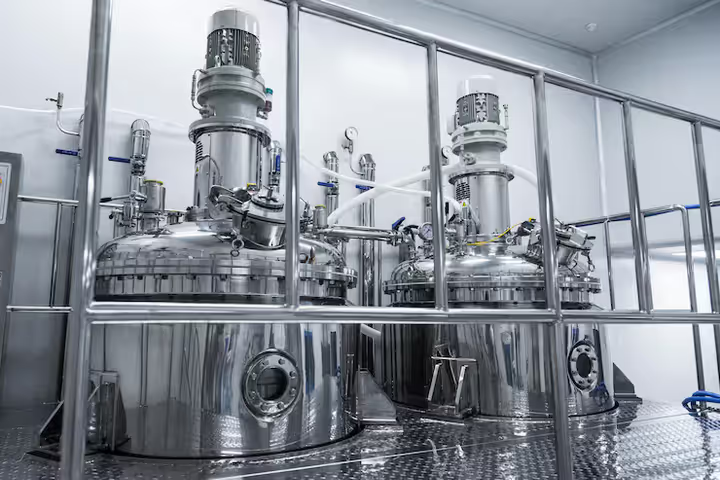
Industrial Steam Boilers are pressure vessels designed to transfer heat to water and generate steam. The heat can come from fuels such as natural gas, biomass, coal, or other suitable energy sources, while some systems use recovered process heat or electricity.
The steam produced by a boiler can be used directly in manufacturing processes or transferred through pipes to equipment located elsewhere in a facility. Depending on the application, steam may be used for heating, drying, sterilization, evaporation, cooking, humidification, or mechanical power.
The development of steam boilers is closely connected with industrialization. Early steam systems helped power machinery and transportation, while modern boilers are generally integrated into automated industrial energy systems with sensors, control systems, water-treatment equipment, and emissions-management arrangements.
How Industrial Steam Boilers Work
A basic boiler process begins with water entering the boiler through a controlled feedwater system. Heat is transferred to the water through combustion, electrical heating, or another heat source.
As the water absorbs heat, it changes into steam. The steam is collected in a designated area and distributed through a steam network according to the pressure and temperature required by connected equipment.
A typical boiler system includes:
- Feedwater pumps
- Water-treatment equipment
- Furnace or heating chamber
- Boiler tubes or heating surfaces
- Steam drum in applicable designs
- Burners or other heat sources
- Pressure and temperature instruments
- Safety valves
- Steam distribution piping
- Blowdown equipment
- Flue-gas or exhaust arrangements
The exact configuration varies according to boiler type, capacity, fuel, operating pressure, and industrial application.
Main Types of Industrial Steam Boilers
Industrial boilers can be classified according to construction, fuel, heat-transfer method, and operating arrangement.
Fire-tube boilers pass hot combustion gases through tubes surrounded by water. They are commonly used for applications requiring moderate steam production.
Water-tube boilers pass water through tubes that are heated externally by combustion gases. These systems can be designed for higher pressures and substantial steam generation.
Electric boilers use electrical energy to heat water and generate steam. They do not require combustion within the boiler, although their overall environmental impact depends on the electricity source.
Biomass boilers use organic materials such as selected agricultural residues or wood-based fuels. Fuel preparation and moisture content can significantly affect operation.
| Boiler Type | Basic Principle | Common Application |
|---|---|---|
| Fire-tube | Hot gases move through tubes surrounded by water | General industrial heating |
| Water-tube | Water moves through heated tubes | Higher-pressure applications |
| Electric | Electrical energy heats water | Facilities with suitable electrical supply |
| Biomass | Combustion of biomass heats water | Selected process industries |
| Heat-recovery boiler | Recovers heat from another process | Energy-recovery applications |
Importance
Why Industrial Steam Boilers Matter
Steam is a useful industrial energy-transfer medium because it can transport heat through insulated piping and release that heat where it is required. Industries can therefore generate steam in a central boiler house and distribute it to multiple production areas.
Industrial Steam Boilers support processes where controlled heat is required. The same boiler system can supply several types of equipment when the pressure, temperature, and steam quality requirements are compatible.
Industrial Applications
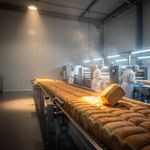
Steam is used in a wide range of industries. Food-processing facilities may use it for cooking, cleaning, sterilization, or temperature control. Textile facilities can use steam for dyeing, drying, finishing, and other processes.
Chemical and pharmaceutical plants can use controlled steam for heating vessels, processing materials, or sterilization. Paper manufacturing uses steam in drying and other stages of production.
Common applications include:
- Food and beverage processing
- Textile manufacturing
- Paper production
- Chemical processing
- Pharmaceutical manufacturing
- Dairy processing
- Rubber and plastics production
- Distillation processes
- Industrial heating
- Laundry and institutional heating
Boiler Efficiency and Heat Management
Boiler performance depends on how effectively heat is transferred from the energy source to the water and steam system. Heat can be lost through exhaust gases, radiation, blowdown, incomplete combustion, and other pathways.
Several supporting systems can influence overall performance. Economizers can recover heat from exhaust gases to preheat feedwater, while condensate-return systems can return usable water and heat to the boiler.
Insulation also plays an important role. Steam pipes, valves, tanks, and other hot surfaces can lose heat if they are inadequately insulated.
Water Quality
Water quality is an important part of boiler operation. Dissolved minerals and impurities can form scale or contribute to corrosion inside boiler components.
Water-treatment systems may include filtration, softening, demineralization, deaeration, or chemical treatment depending on the boiler and feedwater characteristics.
Important water-quality considerations can include:
- Hardness
- Dissolved solids
- Oxygen content
- pH
- Silica
- Conductivity
- Suspended particles
Blowdown removes a controlled quantity of boiler water to manage the concentration of dissolved solids.
Recent Updates
Digital Boiler Monitoring
From 2024 through 2026, Industrial Steam Boilers have increasingly incorporated digital monitoring, automated controls, and connected sensors. Temperature, pressure, water level, fuel flow, oxygen concentration, and other operating variables can be monitored continuously.
Modern control systems can compare measured conditions with predefined operating parameters. Data logging can also help engineers examine changes in boiler operation over time.
Automation and Remote Monitoring
Industrial boiler houses may integrate boiler controls with broader plant automation systems. Supervisory control platforms can display pressure, temperature, alarms, combustion conditions, and equipment status.
Remote monitoring can help authorized personnel review operating information without remaining beside the boiler continuously. The degree of automation depends on the boiler design and facility requirements.
Energy Recovery
Heat recovery continues to be an important area of boiler-system development. Economizers can use exhaust heat to raise feedwater temperature, while condensate recovery can return heat and treated water to the boiler system.
Some facilities also investigate waste-heat boilers that generate steam from heat produced by another industrial process. This approach depends on the temperature and characteristics of the available heat source.
Lower-Emission Combustion
Boiler systems are also being developed and modified to reduce combustion-related emissions. Burner design, combustion controls, oxygen monitoring, exhaust-gas treatment, and fuel selection can influence emissions.
Facilities may examine nitrogen oxides, particulate matter, sulfur compounds, carbon monoxide, and carbon dioxide depending on fuel and regulatory requirements. Actual emissions depend on equipment configuration and operating conditions.
Electrification and Alternative Fuels
Electric steam generation has received increased attention where suitable electrical infrastructure is available. Some industrial facilities are also evaluating biomass, renewable electricity, recovered heat, and other energy pathways.
The suitability of an energy source depends on steam demand, local fuel availability, electricity infrastructure, emissions requirements, process conditions, and overall plant design.
Laws or Policies
Indian Regulatory Context
Industrial Steam Boilers in India are subject to regulatory requirements concerning pressure equipment, workplace safety, emissions, fuel use, water management, and environmental protection. The exact requirements depend on boiler capacity, operating pressure, fuel, industry, and location.
The Indian Boilers Act, 1923 and the Boilers Rules, 1950 form an important part of India's boiler regulatory framework. The regulatory framework includes requirements related to boiler registration, inspection, certification, and operation.
Boiler Inspection and Certification
Boilers operate under pressure, so inspection and certification are important regulatory areas. The relevant boiler authorities in each state administer applicable requirements under India's boiler framework.
Inspections can address the integrity of pressure parts, safety devices, operating conditions, and other technical aspects. Requirements vary according to boiler design and applicable regulations.
Workplace Safety
Industrial boilers involve high temperatures, pressure, combustion systems, steam lines, electrical equipment, and chemical water-treatment systems. Workplace safety measures therefore need to address both normal operation and emergency conditions.
The Occupational Safety, Health and Working Conditions Code, 2020 provides a national framework for occupational health and safety, subject to its applicability and implementation framework. Facilities may also be subject to state-level requirements concerning factories, fire protection, electrical systems, and hazardous materials.
Environmental Requirements
Combustion-based boilers can produce atmospheric emissions. Depending on the fuel and installation, facilities may need to meet emission requirements administered through the Central Pollution Control Board and State Pollution Control Boards.
Environmental permissions and monitoring requirements vary according to industry, boiler capacity, fuel type, location, and applicable classification. Facilities should verify the requirements that apply to their particular installation.
Tools and Resources
Boiler Efficiency Calculations
Engineers can use steam tables, heat-balance calculations, fuel-flow measurements, feedwater data, and flue-gas measurements to evaluate boiler performance.
A basic energy balance considers the heat entering the system through fuel or electricity and the useful heat transferred into steam, along with losses through exhaust gases, radiation, blowdown, and other pathways.
Water-Quality Monitoring
Water-treatment systems commonly use instruments for conductivity, pH, dissolved solids, hardness, and other parameters. Regular monitoring helps identify changes in feedwater and boiler-water conditions.
Combustion Monitoring
Combustion analyzers can measure oxygen, carbon monoxide, carbon dioxide, and other exhaust-gas characteristics. These measurements can provide information about combustion conditions and emissions.
Maintenance and Inspection Records
A structured boiler record can include:
- Pressure and temperature readings
- Water-quality measurements
- Safety-valve inspection records
- Burner inspection information
- Fuel consumption data
- Blowdown records
- Tube inspection results
- Alarm and control-system checks
- Statutory inspection documentation
Technical manuals, state boiler authorities, the Central Pollution Control Board, the Bureau of Indian Standards, and recognized engineering references can also provide relevant information.
FAQs
What are Industrial Steam Boilers used for?
Industrial Steam Boilers generate steam for processes such as heating, cooking, drying, sterilization, evaporation, and humidification. They are used across food, textile, chemical, pharmaceutical, paper, and other industries.
How do Industrial Steam Boilers work?
Industrial Steam Boilers transfer heat to water until it becomes steam. The steam is then collected and distributed through a controlled piping system to equipment that requires thermal energy.
What types of Industrial Steam Boilers are available?
Common types include fire-tube, water-tube, electric, biomass, and heat-recovery boilers. Their suitability depends on pressure, steam demand, fuel or energy source, process requirements, and plant configuration.
Why is water treatment important for Industrial Steam Boilers?
Water treatment helps control dissolved minerals, suspended material, oxygen, and other conditions that can contribute to scale or corrosion. The appropriate treatment method depends on feedwater characteristics and boiler design.
What safety requirements apply to Industrial Steam Boilers in India?
Indian boiler installations are subject to requirements under the national boiler regulatory framework, including inspection and certification provisions. Workplace, fire, electrical, and environmental rules may also apply according to the facility and operating conditions.
Conclusion
Industrial Steam Boilers convert water into controlled steam for heating, processing, sterilization, drying, and other industrial applications. Fire-tube, water-tube, electric, biomass, and heat-recovery systems use different approaches according to pressure, energy source, and process requirements. Recent developments have focused on digital monitoring, automation, heat recovery, emissions management, and alternative energy sources. In India, boiler installations are regulated through the national boiler framework alongside applicable workplace, environmental, fire, and electrical requirements.