Asphalt Mixing Plants: A Guide to Plant Types, Mixing Processes, Components and Material Control
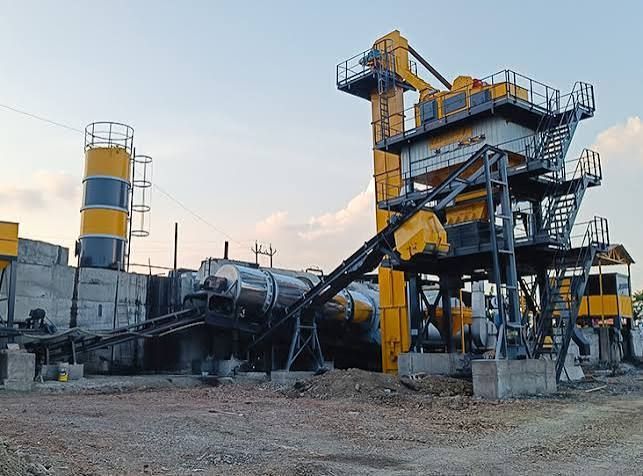
Asphalt mixing plants are industrial facilities used to combine aggregates, mineral filler, and bituminous binder into asphalt mixtures for road construction and related infrastructure projects. The plant controls the heating, proportioning, mixing, and discharge of materials so that the resulting mixture follows a specified composition.
Asphalt is widely used for roads, highways, airport pavements, industrial yards, parking areas, and other paved surfaces. Its production requires controlled handling of mineral aggregates and bituminous materials because mixture properties can influence pavement performance, workability, and durability.
The development of asphalt mixing plants followed the increasing need for consistent production of pavement mixtures. Earlier production methods involved greater manual handling, while modern plants use mechanical conveying, automated weighing, temperature monitoring, computerized controls, and pollution-control equipment.
How an asphalt mixing plant works
Although plant layouts vary, the basic process follows several stages. Aggregates are stored in separate bins according to size and then fed into the production system at controlled rates.
The aggregates are heated and dried before being combined with mineral filler and bituminous binder. Depending on the plant design, mixing takes place continuously or in individual batches.
The main stages generally include:
- Aggregate storage and proportioning
- Aggregate drying and heating
- Screening or classification where applicable
- Mineral filler addition
- Bitumen or binder dosing
- Mixing
- Temperature monitoring
- Storage or direct loading for transportation
The finished asphalt mixture must be transported and placed while maintaining suitable temperature and consistency. This means the location of the plant can also influence project logistics.
Common plant configurations
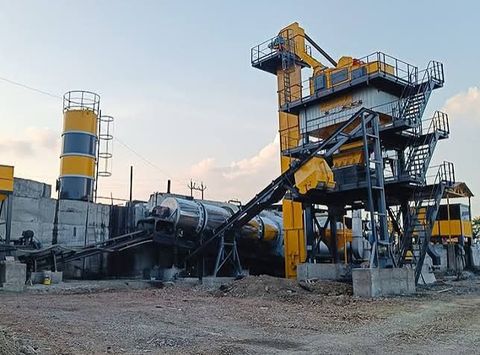
Asphalt mixing plants are commonly classified as batch plants or drum-mix plants. Batch plants produce asphalt in separate measured batches, while drum-mix plants generally combine drying, heating, and mixing in a continuous process.
| Plant type | General operating principle | Typical characteristic |
|---|---|---|
| Batch mix plant | Produces individual measured batches | Flexible mixture control |
| Drum mix plant | Continuous drying and mixing | Continuous production |
| Stationary plant | Installed at a fixed location | Long-term production location |
| Mobile plant | Designed for relocation | Project-oriented deployment |
| Hot-mix plant | Produces heated asphalt mixtures | Heated aggregate and binder |
| Warm-mix system | Uses methods that permit lower production temperatures | Reduced-temperature processing |
The appropriate configuration depends on project requirements, mixture specifications, production volume, available site infrastructure, and environmental requirements.
Importance
Asphalt mixing plants are important because road construction depends on consistent pavement mixtures. The proportions of aggregate, filler, and binder need to remain within specified limits so that the produced material matches the requirements established for a particular pavement application.
The quality of the mixture depends on more than the plant itself. Aggregate properties, binder characteristics, moisture content, temperature, storage conditions, and mixing time all influence the final product.
Factors affecting asphalt mixture
Aggregate represents a major part of an asphalt mixture. Its size distribution, shape, cleanliness, moisture content, and physical properties influence how the material behaves during mixing and paving.
Bituminous binder provides cohesion between aggregate particles. Different binder grades or modified binders may be specified according to climate, traffic conditions, pavement design, and project requirements.
Moisture is another important factor. Wet aggregates require additional heating energy to remove the moisture before mixing, while inconsistent moisture levels can affect production control.
Temperature must also be monitored carefully. Excessive heating can affect binder properties, while insufficient heating may make mixing and handling difficult.
Production control
Modern plants use weighing systems, temperature sensors, flow controls, and computer-based monitoring to manage production parameters. Operators can monitor material feed rates, burner operation, temperatures, and other plant conditions.
Quality-control testing may take place at the plant laboratory or another designated facility. Tests can examine aggregate characteristics, binder properties, mixture composition, density, air voids, and other parameters specified by the relevant pavement specification.
Recent Updates
Between 2024 and 2026, asphalt production has continued to develop around automation, emissions management, recycled materials, energy efficiency, and digital monitoring.
Increased use of recycled asphalt materials
Reclaimed asphalt pavement, commonly known as RAP, is increasingly incorporated into asphalt production where permitted by the applicable mixture design and project specification. RAP contains aggregate and residual binder recovered from existing asphalt pavement.
Using RAP requires careful control of moisture, gradation, binder characteristics, and heating. Plants may require dedicated RAP feeding systems and modified material-handling arrangements depending on the percentage and type of reclaimed material being incorporated.
Automation and digital monitoring
Computerized control systems have become an important part of modern asphalt plants. Sensors can monitor aggregate temperatures, binder flow, material levels, burner conditions, and other operating parameters.
Automated systems can also record production information. This provides plant operators with data that can be used for process monitoring, quality-control documentation, and equipment diagnosis.
Energy and emissions management
Asphalt production involves heating aggregates and binder, which requires significant thermal energy. Recent plant development has therefore focused on burner efficiency, insulation, heat recovery, improved drying systems, and lower-temperature production techniques.
Warm-mix asphalt technologies allow asphalt mixtures to be produced and placed at lower temperatures than conventional hot-mix processes under suitable conditions. Different technologies achieve this through chemical additives, foaming methods, or other approaches.
Environmental-control equipment can include baghouse filters, dust-collection systems, enclosed conveyors, and emission-monitoring arrangements. The exact requirements depend on the plant, local regulations, fuel type, and applicable environmental permissions.
Laws or Policies
In India, asphalt mixing plants are subject to environmental, construction, workplace safety, and local regulatory requirements. The specific permissions and standards depend on the plant's location, capacity, fuel arrangements, emissions, and the type of road project being undertaken.
The Central Pollution Control Board and State Pollution Control Boards have roles in regulating industrial emissions and environmental compliance. Plants may need appropriate approvals related to air emissions, particulate matter, fuel use, and other environmental considerations.
Road construction standards
Road projects in India commonly refer to specifications issued by the Ministry of Road Transport and Highways, along with relevant Indian Standards and project-specific requirements. These documents can establish requirements for aggregates, bituminous binders, asphalt mixtures, testing, laying, and compaction.
Plant operators may need to maintain records relating to:
- Aggregate quality and grading
- Binder grade and test results
- Mixture proportions
- Production temperatures
- Plant calibration
- Emission-control equipment
- Environmental monitoring
- Production and quality-control records
Workplace safety requirements can also apply to burners, hot materials, conveyors, rotating equipment, electrical systems, storage tanks, and elevated platforms.
Because regulatory requirements can vary by state, project, and plant configuration, the applicable permissions and standards should be verified for the specific facility.
Tools and Resources
Asphalt mixing plants rely on a combination of mechanical equipment, measurement instruments, laboratory equipment, and control software.
Plant equipment
Important equipment can include:
- Cold aggregate bins
- Belt conveyors
- Aggregate dryers
- Burners
- Hot aggregate elevators
- Vibrating screens
- Weighing systems
- Mixing units
- Bitumen tanks and pumps
- Mineral filler systems
- Baghouse filters
- Storage silos
- Control panels
The exact arrangement depends on the plant configuration.
Testing and quality-control resources
Laboratories associated with asphalt production can use equipment for aggregate testing, binder testing, and asphalt-mixture evaluation. Common measurements may include aggregate gradation, binder properties, mixture composition, density, and volumetric characteristics.
Plant calibration is another important resource. Weighing systems, flow meters, temperature sensors, and other measurement devices need to operate within the required accuracy for production control.
Digital resources
Computerized plant-control systems can provide production records and equipment status information. Energy-monitoring systems can also track fuel and electrical consumption, allowing operators to examine changes in plant operation over time.
Maintenance records are useful for tracking burner inspection, conveyor components, bearings, pumps, filters, screens, mixers, and other equipment. Preventive inspection can help identify mechanical problems before they interfere with production.
FAQs
What is an asphalt mixing plant?
An asphalt mixing plant is an industrial facility that combines heated aggregates, mineral filler, and bituminous binder in controlled proportions to produce asphalt mixtures for paving applications.
How does an asphalt mixing plant work?
Aggregates are stored, proportioned, dried, and heated before being combined with binder and other materials. The components are then mixed according to the specified formulation and discharged for storage or transportation to the paving location.
What is the difference between a batch mix plant and a drum mix plant?
A batch mix plant produces asphalt in separate measured batches, allowing individual batches to be controlled according to a specified mixture. A drum mix plant generally performs drying, heating, and mixing continuously.
Can recycled asphalt be used in asphalt mixing plants?
Yes, reclaimed asphalt pavement can be incorporated into asphalt mixtures when permitted by the applicable mixture design and project requirements. Its use requires appropriate control of aggregate gradation, moisture, residual binder, and other relevant properties.
What environmental controls are used at asphalt mixing plants?
Environmental controls can include dust collectors, baghouse filters, enclosed material-handling systems, burner controls, emission monitoring, and measures for managing fuel and material storage. Requirements depend on local regulations and plant configuration.
Conclusion
Asphalt mixing plants combine aggregates, mineral filler, and bituminous binder under controlled conditions to produce mixtures used in road and infrastructure construction. Batch and drum-mix plants use different production methods, while automation and monitoring systems help control material proportions, temperatures, and operating conditions. Recent developments include greater use of reclaimed asphalt, digital controls, energy-management measures, and lower-temperature production techniques. In India, plant operators must also consider applicable environmental regulations, road-construction specifications, workplace safety requirements, and project-specific standards.