Induction Furnaces: Insights Into Melting Technology, Furnace Types, Energy Use and Temperature Control
An induction furnace is an industrial heating system used to melt metals by generating heat through electromagnetic induction.
Unlike a conventional furnace that depends mainly on combustion or direct electrical heating elements, an induction furnace transfers electrical energy into the metal through an alternating magnetic field. This makes the equipment useful in foundries, metal processing facilities, engineering plants, and other industrial environments.
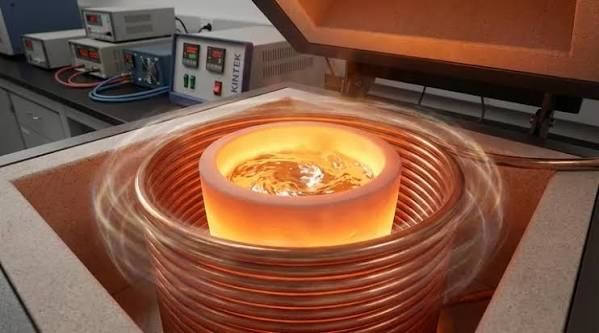
The basic concept comes from electromagnetic induction, a principle associated with the work of Michael Faraday in the nineteenth century. When alternating electrical current passes through a coil, it creates a changing magnetic field. When a suitable metal charge is placed inside that field, electrical currents are induced within the metal, causing it to heat.
How the Process Developed
Early induction heating systems were developed for industrial applications during the late nineteenth and early twentieth centuries. Improvements in electrical control, power electronics, furnace design, and cooling systems gradually made induction melting more practical for different metals and production requirements.
Modern induction furnaces use electronic controls to regulate electrical power, operating conditions, and melting cycles. The furnace may be designed around a crucible, coil, refractory lining, cooling arrangement, and control system. Together, these components create a controlled environment for melting and holding metallic materials.
Main Components
A typical induction furnace contains several important parts:
Induction coil: A conductive coil creates the alternating magnetic field.
Crucible: The metal charge is placed inside a heat-resistant container or furnace lining.
Power supply: Electrical equipment converts incoming power into the frequency and electrical conditions required by the furnace.
Cooling system: Water or another cooling arrangement helps control the temperature of components surrounding the melting zone.
Refractory lining: Heat-resistant material separates the molten metal from structural components.
Control panel: Operators can monitor and adjust electrical power and other operating parameters.
Importance
Why Induction Furnaces Matter
Induction furnaces are important because controlled metal melting is required across many manufacturing and engineering activities. Foundries use them to prepare molten metal for casting, while other facilities use induction heating for particular melting, holding, or alloy-processing operations.
The process can be applied to materials such as iron, steel, copper, aluminum, brass, and various alloys. Furnace design and operating conditions differ according to the material, required temperature, batch size, and production process.
An induction furnace can also provide a relatively controlled heating environment because the heat is generated within the metal itself. This differs from systems where heat must first pass from a flame or heating element into the material.
Industrial Applications
Common applications include:
Foundry melting for cast metal production
Steel and iron melting
Aluminum and copper alloy processing
Metal recycling and remelting
Laboratory-scale metallurgical research
Production of specialized metal components
Heat treatment and other induction-heating processes
The equipment also affects workers, engineers, maintenance personnel, and plant managers because operation involves electricity, high temperatures, molten materials, electromagnetic fields, and cooling systems.
Furnace Types and Their Characteristics
Different induction furnace configurations are used for different operating requirements.
| Furnace type | Typical characteristic | Common application |
|---|---|---|
| Coreless induction furnace | Uses a coil surrounding the melting vessel | General metal melting |
| Channel induction furnace | Uses an electromagnetic channel through the molten metal | Holding and continuous melting |
| Medium-frequency furnace | Operates at an intermediate electrical frequency | Foundry and alloy melting |
| High-frequency induction system | Uses higher electrical frequency | Specialized heating applications |
| Low-frequency system | Uses relatively lower operating frequency | Certain large-scale melting operations |
The appropriate configuration depends on the material, furnace capacity, electrical infrastructure, production pattern, and process requirements.
Recent Updates
Development of Digital Controls
From 2024 through 2026, induction furnace development has continued to focus on electronic control, monitoring, automation, and energy management. Modern systems increasingly use digital interfaces to track electrical input, temperature-related information, furnace conditions, and operating cycles.
Sensors and programmable controllers can help operators observe process conditions in real time. Data logging can also create records that allow plant personnel to compare melting cycles and identify changes in operating behavior.
Energy Management and Efficiency
Energy management has become an important area of industrial furnace development. Induction melting requires substantial electrical power, so facilities increasingly examine power-factor correction, furnace loading, operating schedules, and electrical distribution.
Modern power electronics can provide more precise control over the electrical energy delivered to an induction coil. Variable operating frequencies may also be used in some systems to accommodate different materials and melting conditions.
Automation and Monitoring
Automation is another continuing trend. Depending on the installation, automated systems may monitor furnace temperature, electrical parameters, cooling conditions, and charging sequences.
However, automation does not remove the need for appropriate supervision. Molten metal operations remain hazardous, and abnormal electrical, mechanical, or cooling conditions can require immediate human intervention.
Environmental Considerations
Induction furnaces do not use combustion as their primary heating mechanism, but metal melting can still generate fumes, dust, heat, and other emissions depending on the charge material and process. Modern facilities therefore combine furnace systems with ventilation, filtration, material-handling controls, and workplace monitoring.
The environmental profile of an electrically heated furnace also depends partly on how the electricity is generated. As industrial electricity systems incorporate more renewable generation, the relationship between furnace electricity use and overall emissions continues to receive attention.
Laws or Policies
Indian Industrial Requirements
In India, induction furnace operations are influenced by occupational safety, electrical safety, environmental protection, factory regulations, and pollution-control requirements. The exact obligations depend on the facility, location, production activity, furnace capacity, and materials being processed.
The Factories Act framework and applicable occupational safety rules provide a foundation for workplace protection. Electrical installations are also subject to applicable electrical safety requirements and technical standards.
Environmental Regulation
Industrial facilities that melt metals may fall under requirements administered by bodies such as the Central Pollution Control Board and relevant State Pollution Control Boards. Depending on the activity, facilities may need environmental permissions, emissions controls, waste-management procedures, and monitoring arrangements.
Rules concerning air pollution can be particularly relevant because metal melting may generate particulate matter, fumes, and other pollutants. The required controls depend on the process and applicable regulatory classification.
Safety Standards
Industrial induction furnaces involve several hazards, including electric shock, molten-metal exposure, intense heat, refractory failure, water leakage near molten metal, and electromagnetic fields. Facilities therefore use protective equipment, operating procedures, electrical isolation systems, cooling monitoring, and emergency arrangements.
Technical standards from organizations such as the Bureau of Indian Standards may also be relevant to electrical equipment, workplace practices, materials, and related industrial installations. Specific compliance requirements should be checked against the rules applicable to the individual facility.
Tools and Resources
Furnace Design and Process Tools
Engineers use several technical resources when studying or operating induction furnaces. Electrical calculations can help determine power requirements, while thermal calculations can be used to understand heating behavior and furnace capacity.
Important operating parameters may include:
Furnace capacity
Metal type and composition
Melting temperature
Electrical power
Operating frequency
Melting cycle duration
Cooling-water conditions
Refractory condition
Power factor
Reference Organizations
Several organizations publish technical information relevant to induction heating and industrial safety. Useful references can include the Bureau of Indian Standards, Central Pollution Control Board, State Pollution Control Boards, International Electrotechnical Commission publications, and technical materials from metallurgical institutes.
Manufacturers' technical manuals can also provide information about particular furnace configurations, operating limits, electrical requirements, inspection procedures, and maintenance intervals. Such information should be interpreted according to the specific equipment and applicable regulations.
FAQs
What is an induction furnace used for?
An induction furnace is mainly used to melt or heat metals through electromagnetic induction. Common applications include iron, steel, aluminum, copper, brass, alloy melting, foundry operations, and metal recycling.
How does an induction furnace work?
An induction furnace passes alternating electrical current through a coil to create a changing magnetic field. This field induces electrical currents in the metal charge, generating heat inside the material and allowing it to reach the required melting temperature.
What are the main types of induction furnaces?
The main configurations include coreless and channel induction furnaces. Systems may also be categorized according to operating frequency, such as low-frequency, medium-frequency, and high-frequency equipment.
Are induction furnaces environmentally safe?
An induction furnace does not rely on combustion for its primary heating process, but metal melting can still produce fumes, dust, heat, and other emissions. Appropriate ventilation, filtration, material controls, electrical management, and regulatory compliance are therefore important.
What safety precautions are used with induction furnaces?
Safety measures commonly include protective clothing, face and eye protection, electrical isolation, cooling-system monitoring, controlled material charging, furnace inspection, ventilation, emergency procedures, and training for personnel working around molten metal.
Conclusion
Induction furnaces use electromagnetic induction to generate heat within metallic materials and are widely associated with foundry and metal-processing operations. Their development has increasingly incorporated digital controls, monitoring, power electronics, automation, and energy-management features. In India, operation can involve workplace safety, electrical, environmental, and pollution-control requirements that vary according to the facility and its activities. Understanding the furnace design, operating principles, material characteristics, and applicable safety requirements is important for interpreting how these systems function in industrial environments.