Resin-Coated Outdoor Dining Chairs: A Guide to Comfort and Outdoor Durability
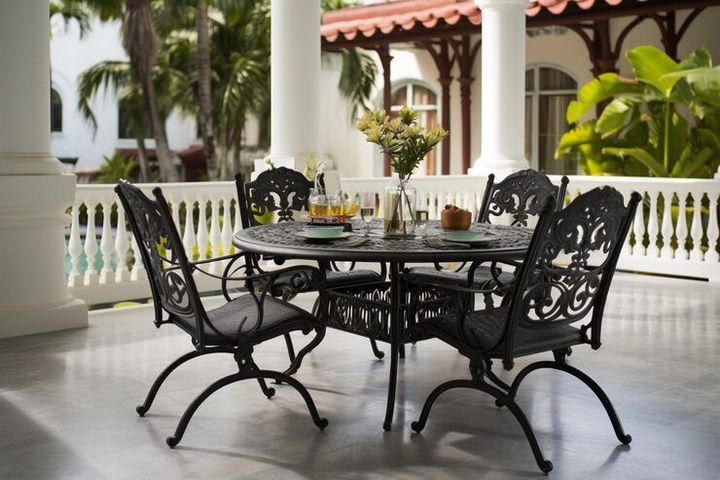
Resin-coated outdoor dining chairs are seating products designed for gardens, patios, balconies, terraces, restaurants, and other outdoor spaces.
Understanding their materials, construction, maintenance requirements, and design options helps households and commercial property managers make informed furniture decisions.
Understanding Resin-Coated Outdoor Dining Chairs
Resin-coated outdoor dining chairs are designed for environments where furniture regularly encounters sunlight, moisture, dust, and changing temperatures. Resin coatings can provide a protective surface that supports easier cleaning and helps reduce exposure-related deterioration.
The exact characteristics depend on the resin formulation, supporting material, coating thickness, and manufacturing process. Some designs use metal or wood frames, while others incorporate molded resin components.
Common Materials and Construction
Several materials are used in manufacturing resin-coated outdoor furniture:
Polypropylene: A lightweight plastic commonly used in molded outdoor seating.
Polyester resin: Used in certain composite applications and protective finishes.
Metal frames: Steel or aluminum structures can provide additional support.
Synthetic wicker: Resin-based strands are woven around a supporting frame to create textured seating.
Protective coatings: Specialized finishes can help protect underlying surfaces against environmental exposure.
Understanding these differences is important because not every resin-coated chair has the same construction or performance characteristics.
Importance of Material Quality and Weather Resistance
Outdoor furniture experiences different environmental conditions throughout the year. Sunlight, rain, humidity, and temperature changes can influence its appearance and structural condition.
Weather-resistant outdoor dining chairs are designed with materials and finishes intended for these conditions. However, resistance levels vary according to product specifications and manufacturing quality.
UV Protection and Moisture Resistance
Ultraviolet radiation can gradually affect certain plastics, coatings, and decorative finishes. UV-resistant resin dining chairs may incorporate additives or protective treatments intended to reduce fading, discoloration, and material deterioration.
Moisture resistance is another important consideration. Water exposure can affect supporting structures, joints, and surface finishes, particularly when furniture remains outdoors for extended periods.
When comparing products, examine:
UV protection specifications.
Water resistance and drainage features.
Frame material and corrosion protection.
Weight capacity and structural stability.
Manufacturer maintenance recommendations.
Design Options and Outdoor Applications
Resin patio dining chairs are available in different shapes, colors, textures, and structural designs. Their appearance can range from simple molded seating to woven finishes that resemble natural materials.
Residential and Commercial Applications
Residential users commonly place these chairs around garden tables, balconies, poolside dining areas, and outdoor kitchens.
Commercial resin dining chairs are also used in restaurants, cafés, hospitality properties, and outdoor event spaces. These environments may require furniture with consistent dimensions, manageable maintenance requirements, and suitable structural strength.
Stackable designs can help reduce storage space when seating is not required. Armrests, contoured seats, and backrest angles also influence everyday comfort.
Comparing Resin-Coated Outdoor Chair Features
Different construction methods provide different characteristics. The following table summarizes common furniture options.
| Furniture Type | Main Characteristic | Common Application |
|---|---|---|
| Molded resin chairs | Lightweight construction | Gardens and patios |
| Resin wicker chairs | Woven decorative appearance | Terraces and balconies |
| Metal-frame resin chairs | Combined frame and coated surfaces | Restaurants |
| Composite resin chairs | Mixed-material construction | Outdoor dining areas |
| Stackable resin chairs | Space-efficient storage | Events and cafés |
These descriptions are general. Actual performance depends on the specific materials, construction, and product specifications.
Factors to Consider When Selecting Outdoor Resin Chairs
Selecting suitable furniture requires evaluating several practical considerations rather than focusing only on appearance.
Construction and Dimensions
Check the frame structure, seat dimensions, backrest height, and overall stability. Resin-coated outdoor dining chairs should match the available table height and surrounding space.
Supplier and Manufacturer Specifications
When comparing resin dining chair manufacturers, review their technical documentation, material descriptions, production capabilities, and quality-control information.
For wholesale resin outdoor chairs, additional considerations may include:
Available colors and product variations.
Minimum order quantities.
Packaging and transportation arrangements.
Replacement component availability.
Warranty conditions and documentation.
These details help commercial purchasers assess whether a particular furniture range meets their operational requirements.
Price and Product Comparisons
Resin-coated patio furniture varies in pricing according to material composition, design complexity, frame construction, dimensions, and production methods.
Comparing product specifications alongside quoted prices provides a clearer understanding of differences between available options. Heavy-duty outdoor resin chairs may also have different structural specifications from lightweight residential models.
Maintenance and Storage Guidelines
Regular maintenance helps preserve furniture appearance and functionality. Most resin surfaces can be cleaned using mild soap, water, and a soft cloth.
Avoid abrasive cleaning materials unless the manufacturer specifically recommends them. Chemical cleaners should also be checked for compatibility with the coating.
During extended periods without use, consider storing chairs in a dry, covered location. Protective covers can help limit dust accumulation and prolonged environmental exposure.
Inspect joints, frames, fasteners, and seating surfaces periodically. Addressing minor maintenance issues early can help prevent further deterioration.
Frequently Asked Questions
Are resin-coated outdoor dining chairs suitable for rainy environments?
Many designs are intended for outdoor conditions, but water resistance varies. Check the manufacturer's specifications before prolonged exposure to rain.
Do resin dining chairs fade in sunlight?
Some materials can gradually fade under ultraviolet exposure. UV-resistant finishes and appropriate maintenance may help reduce this effect.
Are resin patio dining chairs easy to maintain?
Generally, resin surfaces require relatively simple cleaning. Mild soap, water, and a soft cloth are commonly sufficient for routine care.
What should commercial purchasers examine?
Important considerations include structural strength, dimensions, material specifications, stackability, maintenance requirements, and manufacturer documentation.
Conclusion
Resin-coated outdoor dining chairs combine varied materials, practical construction, and adaptable designs for residential and commercial environments. Understanding their protective finishes, structural characteristics, and maintenance requirements helps people compare different furniture options. Careful attention to product specifications and environmental conditions supports more informed selection decisions.