Cafe Dining Furniture Information With Tables, Chairs, and Space Planning Details
Cafe dining furniture includes tables, chairs, stools, benches, and other seating elements used to create practical dining areas in cafes, coffee shops, bakeries, and casual dining establishments.
These furnishings help organize the available floor area, support comfortable seating, and establish a consistent interior appearance. Cafe dining furniture is selected according to the type of food establishment, expected visitor activity, room dimensions, and overall interior design.
The use of dedicated dining furniture developed alongside the growth of public coffeehouses and gathering places. Traditional coffeehouses provided spaces for conversation, reading, business discussions, and social interaction. As cafe culture expanded, furniture designs evolved to accommodate different dining habits, interior styles, and customer preferences.
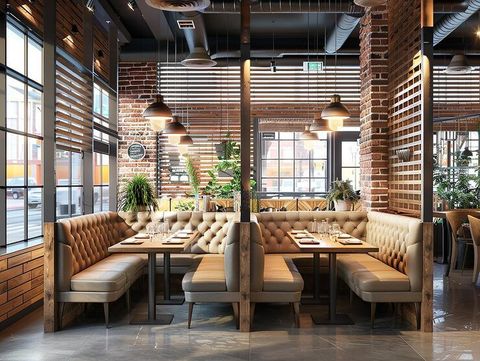
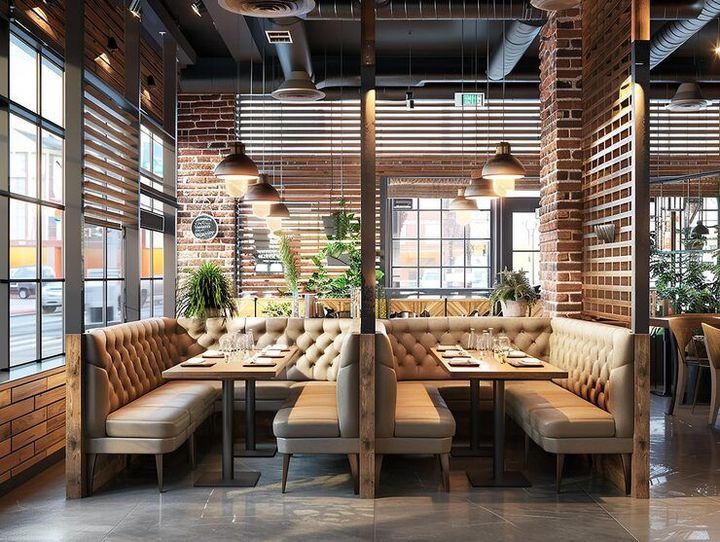
Modern cafe furniture includes a wide range of materials, shapes, and seating arrangements. Wooden tables create a traditional atmosphere, metal frames suit industrial interiors, and upholstered chairs can provide additional comfort. Compact furniture is useful in smaller premises, while larger dining areas can accommodate a mixture of tables, chairs, benches, and shared seating.
Main Types of Cafe Dining Furniture
Cafe furniture generally falls into several categories based on its function and placement.
Dining tables: Available in round, square, rectangular, and communal formats for different group sizes.
Dining chairs: Designed with different seat heights, backrests, materials, and frame structures.
Bar stools: Used at counters, raised tables, and window-facing seating areas.
Benches: Suitable for wall-side seating and longer dining arrangements.
Outdoor furniture: Designed for patios, terraces, courtyards, and other external dining spaces.
Each type serves a different purpose. Combining suitable furniture styles can create a coordinated layout without making the room feel crowded.
Materials and Design Features
Material selection influences appearance, maintenance, durability, and suitability for different environments. Solid wood has a natural appearance, while engineered wood can provide a range of finishes. Metal frames are commonly used for structural support, and plastic furniture can be useful in lightweight or outdoor arrangements when the material is suitable for the intended conditions.
Tabletops may use wood, laminate, stone, or other hard surfaces. Upholstered chairs introduce softness but may require more detailed cleaning than non-upholstered alternatives. Material choice should account for moisture exposure, food spills, repeated movement, and the frequency of cleaning.
Importance
Cafe dining furniture affects how people use a dining area and how efficiently staff can move around it. A carefully arranged room can support comfortable seating, clear movement routes, and convenient access to tables. Poor furniture selection, on the other hand, can create obstructions, limit seating flexibility, and make everyday cleaning more difficult.
The topic matters to cafe owners, interior designers, architects, furniture manufacturers, facility managers, and people planning small hospitality spaces. Each group considers different requirements, including appearance, durability, accessibility, and the practical use of available floor space.
Comfort and Everyday Use
Seat height, table height, back support, and legroom all influence dining comfort. A chair that is too low for a table may create an awkward eating position, while insufficient space beneath the tabletop can restrict leg movement.
Furniture dimensions should also reflect the intended use. A cafe designed for short coffee visits may have a different seating arrangement from one where visitors regularly work on laptops or enjoy longer meals. Mixing seating styles can accommodate different activities without requiring an entirely separate room for each purpose.
Space Planning and Movement
Space planning involves arranging tables, chairs, counters, entrances, and circulation routes within the available floor area. The objective is to create a functional environment without obstructing movement or compromising accessibility.
Important planning considerations include:
Entrance access: Keep doorways and entry areas clear.
Table spacing: Allow enough room for chairs to move and people to sit down.
Circulation routes: Provide clear paths between dining areas and other parts of the cafe.
Staff movement: Consider how employees carry dishes and clear tables.
Flexible seating: Use movable furniture where different group sizes are common.
The number of tables alone does not determine whether a layout works well. Seating capacity must be considered alongside movement, comfort, and applicable safety requirements.
Comparing Common Furniture Options
Furniture type | Common use | Main planning consideration |
|---|---|---|
Round tables | Small groups and informal conversations | Allow space around the entire table |
Square tables | Compact dining arrangements | Consider how tables can be combined |
Rectangular tables | Larger groups and shared seating | Maintain clear routes along the sides |
Dining chairs | Individual seating | Check seat height and movement space |
Wall benches | Long walls and narrow rooms | Provide suitable access to each seat |
Bar stools | Counters and raised tables | Match seat height to counter height |
This comparison provides a starting point for planning. Actual suitability depends on furniture dimensions, room geometry, visitor needs, and local requirements.
Recent Updates
Cafe dining furniture continues to evolve alongside changes in interior design, material development, and patterns of cafe use. Recent industry trends emphasize adaptable layouts, easier maintenance, responsible material selection, and the integration of technology into hospitality environments.
Flexible Furniture Arrangements
Modular tables and movable chairs allow a cafe to adjust its layout for individuals, couples, families, and larger groups. Some establishments combine small tables with shared dining surfaces to accommodate different visitor patterns.
Flexible arrangements can also help when a room has an unusual shape or needs to support several activities. However, movable furniture still needs designated positions that preserve accessible routes and prevent congestion.
Sustainable Material Choices
Environmental considerations have increased interest in furniture made with recycled materials, responsibly sourced timber, and components designed for longer use. Repairable frames, replaceable tabletops, and durable finishes can reduce the need to discard complete furniture units when individual parts become damaged.
Material labels and supplier documentation can help explain a product's composition. Environmental claims should be assessed carefully because the use of one recycled component does not establish the overall environmental impact of an entire furniture item.
Contemporary Design Preferences
Current cafe interiors often combine natural textures, simple geometric shapes, and contrasting materials. Wood finishes, dark metal frames, neutral colors, and mixed seating arrangements are common design approaches.
Technology also influences furniture planning. Power outlets, charging points, and laptop-friendly tables may be included in cafes where visitors spend longer periods working or studying. These features need to be positioned with electrical safety, cable management, and furniture movement in mind.
Laws or Policies
Cafe dining furniture is affected by building requirements, fire safety rules, accessibility provisions, food establishment hygiene expectations, and workplace safety obligations. The exact requirements vary according to the country, local authority, building type, and whether the dining area is indoors or outdoors.
In India, cafe operators and designers may need to consider applicable municipal building rules, state-level requirements, the National Building Code of India where adopted or applicable, and relevant fire safety provisions. Food establishments are also subject to applicable food safety requirements, including those administered under the national food safety framework.
Accessibility and Building Safety
Furniture layouts should consider access for people with mobility limitations, including wheelchair users and individuals who need additional space to move. Doorways, accessible routes, seating arrangements, and changes in floor level may be governed by applicable building and accessibility provisions.
Fire safety planning may require unobstructed exits and circulation paths. Tables, chairs, decorative items, and temporary seating should not be positioned where they interfere with escape routes or emergency equipment.
Hygiene and Material Maintenance
Dining surfaces should be suitable for regular cleaning and should not create unnecessary hygiene difficulties. Smooth, appropriately finished surfaces can be easier to maintain than materials with deep crevices or absorbent coverings.
Furniture used outdoors may require finishes that tolerate moisture, sunlight, and temperature changes. Establishments should follow applicable cleaning procedures and manufacturer instructions for maintaining furniture surfaces.
Before finalizing a layout, the relevant local building, fire safety, accessibility, and food establishment requirements should be checked. General design guidance does not replace the rules applicable to a particular premises.
Tools and Resources
Planning cafe dining furniture becomes easier when measurements, layout drawings, and furniture specifications are considered together. Several practical resources can help with the process.
Floor Planning Tools
Digital floor-planning applications allow users to create room outlines, place tables and chairs, and test different arrangements. Some applications include adjustable furniture dimensions and three-dimensional views, making it easier to identify potential obstructions before furniture is installed.
A simple scaled drawing can also be useful. The drawing should include walls, doors, windows, counters, columns, existing equipment, and required circulation routes.
Furniture Measurement Checklist
Before choosing furniture, record the following details:
Room length, width, and usable floor area.
Tabletop dimensions and table height.
Chair width, depth, and seat height.
Space needed to pull chairs away from tables.
Clearances around entrances, counters, and walkways.
Surface materials and cleaning requirements.
Storage space for additional chairs or movable tables.
These measurements help compare different layouts using consistent criteria.
Sample Space Planning Worksheet
Planning element | Information to record | Purpose |
|---|---|---|
Room dimensions | Length and width | Establish available floor area |
Table selection | Shape and measurements | Determine table placement |
Seating capacity | Seats per table | Estimate potential occupancy |
Movement routes | Clear width and direction | Support safe circulation |
Accessible seating | Location and approach space | Address different mobility needs |
Maintenance | Surface and cleaning method | Plan routine care |
The worksheet can be adapted to different cafe sizes. Final dimensions should reflect the actual premises and applicable regulations rather than relying on a generic layout.
FAQs
What types of cafe dining furniture are commonly used?
Common options include round and rectangular tables, dining chairs, benches, bar stools, and outdoor seating. The appropriate combination depends on the available floor area, interior style, visitor needs, and dining activities.
How should cafe tables and chairs be arranged?
Cafe tables and chairs should be positioned to allow comfortable seating, chair movement, staff circulation, and access to entrances and exits. The layout should also account for accessibility requirements and the dimensions of the actual furniture.
Which materials are suitable for cafe dining furniture?
Wood, metal, laminate, and suitable plastics are commonly used. The choice depends on appearance, durability, exposure to moisture, cleaning needs, and whether the furniture will be used indoors or outdoors.
How can a small cafe make better use of its space?
A small cafe can use compact tables, wall-side benches, stackable chairs, and movable furniture where appropriate. Keeping entrances and circulation routes clear is important, and adding more seats should not compromise accessibility or safety.
What should be considered when choosing outdoor cafe furniture?
Outdoor furniture should be suitable for local weather conditions, including sunlight, rain, humidity, and temperature changes. Materials, finishes, drainage, stability, and storage arrangements all influence how well the furniture performs in an outdoor setting.
Conclusion
Cafe dining furniture combines tables, chairs, stools, benches, and other seating elements to support the practical use of hospitality spaces. Material selection, furniture dimensions, comfort, and maintenance requirements influence how well each item suits its environment. Effective space planning balances seating capacity with accessibility, staff movement, and safety. Recent design approaches also emphasize flexible arrangements, durable materials, and adaptable dining environments.