Designer Pendant Lighting Facts About Shapes, Finishes, and Materials
Designer pendant lighting has become an important element of modern interior design, combining practical illumination with decorative appeal.
Modern pendant lights are available in various shapes, finishes, sizes, and materials. Their appearance can range from simple geometric designs to detailed decorative structures. Choosing an appropriate fixture involves considering room dimensions, ceiling height, lighting requirements, and existing interior elements.
Importance of Pendant Lighting in Interior Design
Lighting influences how people experience an interior environment. Pendant fixtures can create visual interest while providing illumination for specific activities, including cooking, reading, dining, and working.
Creating Visual Balance
A pendant light can become a noticeable feature within a room. Its shape, dimensions, and position influence the overall visual balance. For example, a large fixture may complement a spacious dining area, while a smaller design may suit a compact reading corner.
Supporting Different Activities
Different rooms require different lighting arrangements. Dining room pendant lights can illuminate a table, while kitchen fixtures can provide focused illumination over preparation surfaces. Bedroom pendant lighting may create a softer atmosphere when paired with suitable bulbs.
Popular Designer Pendant Lighting Styles
Pendant fixtures are available in several design categories. Each style offers different visual characteristics and lighting functions.
Contemporary and Minimalist Designs
Contemporary pendant lights generally feature clean lines, simple shapes, and restrained decorative details. They can complement modern apartments, open-plan interiors, and minimalist rooms.
Glass Pendant Lighting
Glass pendant lights use transparent, frosted, tinted, or textured glass. Transparent designs allow the light source to remain visible, while frosted finishes can soften the appearance of illumination.
Brass and Metallic Designs
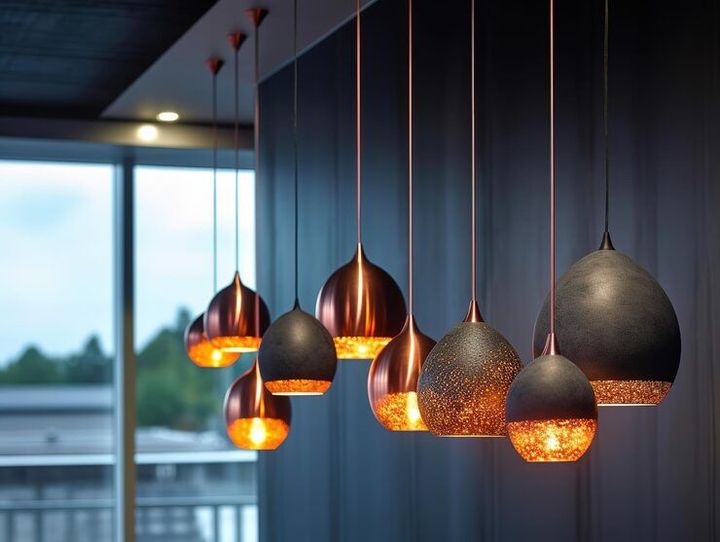
Brass pendant lighting introduces metallic finishes into interior spaces. Depending on the design, brass can create a traditional, contemporary, or industrial appearance. Other common finishes include matte black, brushed steel, chrome, and bronze.
Large Decorative Fixtures
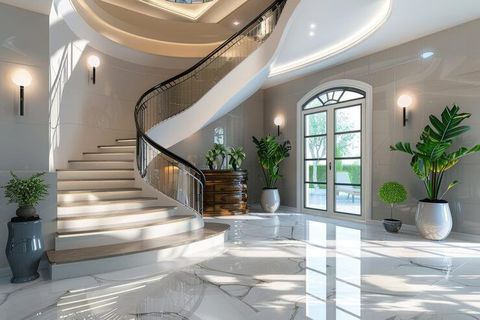
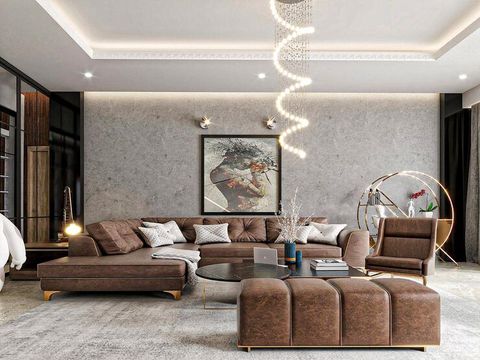
Large pendant lights are often used in spacious rooms with higher ceilings. Their dimensions can help establish a visual focal point above dining tables, staircases, or living areas.
Materials and Design Considerations
The material of a pendant fixture affects its appearance, weight, durability, and maintenance requirements.
| Material | Common Characteristics | Typical Applications |
|---|---|---|
| Glass | Transparent or diffused appearance | Dining and living rooms |
| Brass | Warm metallic finish | Contemporary interiors |
| Steel | Strong and structured | Industrial spaces |
| Wood | Natural visual texture | Rustic interiors |
| Fabric | Soft decorative appearance | Bedrooms and lounges |
| Aluminium | Lightweight construction | Modern interiors |
When comparing materials, consider humidity, cleaning requirements, heat resistance, and compatibility with the surrounding furniture. Fixture construction should also meet applicable electrical and installation requirements.
Choosing Pendant Lighting for Different Rooms
Kitchen and Dining Areas
Kitchen pendant lighting is commonly installed above islands, breakfast counters, and work surfaces. Multiple smaller fixtures can create balanced illumination across longer surfaces.
Dining room pendant lights are generally positioned above the dining table. Their dimensions should correspond with the table size, leaving sufficient space for comfortable movement and visibility.
Living Rooms and Bedrooms
Living rooms can accommodate decorative fixtures that complement furniture arrangements and ceiling proportions. In bedrooms, smaller pendant designs can function as alternatives to bedside table lamps.
Hallways and Entryways
Pendant fixtures can introduce illumination and visual structure into entryways. However, ceiling height and walking clearance should be considered before selecting a hanging fixture.
Practical Factors Before Selecting a Fixture
Selecting appropriate lighting requires attention to several technical and practical details.
Room dimensions: Match fixture proportions with the available floor area and ceiling height.
Brightness: Check lumen output to understand the amount of light produced.
Colour temperature: Select warm, neutral, or cool lighting according to the intended atmosphere.
Installation: Review mounting requirements, electrical compatibility, and fixture weight.
Maintenance: Consider cleaning access and replacement requirements.
Energy efficiency: Look for compatible LED lighting options to reduce electricity consumption.
Installation and Maintenance Considerations
Pendant fixtures should be installed according to manufacturer instructions and applicable electrical requirements. Ceiling supports must be suitable for the fixture's weight, particularly for large or multi-component designs.
Regular maintenance includes removing dust, cleaning glass surfaces with appropriate materials, and checking visible fittings. Electrical connections and installation work should be handled by qualified professionals where required.
Frequently Asked Questions
What is designer pendant lighting?
Designer pendant lighting refers to decorative ceiling fixtures that combine illumination with considered shapes, materials, finishes, and design details.
Are modern pendant lights suitable for small rooms?
Yes. Compact modern pendant lights can work in smaller rooms when their dimensions, hanging height, and brightness are appropriate.
Where are glass pendant lights commonly installed?
Glass pendant lights are frequently used in kitchens, dining areas, living rooms, and entryways because they provide varied decorative and lighting effects.
How high should dining room pendant lights hang?
The appropriate height depends on ceiling dimensions, table proportions, and fixture design. A common starting point is approximately 75–90 centimetres above the tabletop, adjusted for the specific arrangement.
What should be considered when selecting brass pendant lighting?
Consider the finish, fixture dimensions, surrounding materials, maintenance requirements, and compatibility with the room's overall interior design.
Conclusion
Designer pendant lighting combines functional illumination with decorative interior elements. Different materials, shapes, and finishes provide options for various architectural styles and room requirements. By considering fixture dimensions, brightness, installation conditions, and maintenance needs, individuals can select lighting arrangements that complement their interior spaces.