Explore Designer Home Furniture With Contemporary Styles and Practical Design Tips
Designer home furniture combines visual appeal, practical functionality, material quality, and thoughtful construction to create comfortable and organized living spaces.
It includes furniture designed with attention to proportions, finishes, textures, shapes, and everyday usability. Common examples include designer sofas, contemporary dining tables, bedroom furniture, modular storage units, accent chairs, and decorative cabinets.
The development of designer furniture is connected to changes in architecture, interior decoration, and modern lifestyles. Traditional furniture often emphasized craftsmanship, natural materials, and detailed ornamentation. Over time, contemporary furniture design introduced simpler shapes, cleaner lines, multifunctional features, and combinations of different materials.
Today, designer home furniture is influenced by several interior design movements, including Scandinavian minimalism, modern industrial design, mid-century modern furniture, and contemporary luxury interiors. Each approach uses different combinations of materials, colors, furniture shapes, and decorative elements.
Understanding Contemporary Designer Furniture
Contemporary furniture refers to designs that reflect current interior preferences rather than one fixed historical style. It often emphasizes simplicity, adaptable layouts, comfortable seating, and coordinated finishes.
Common characteristics include:
Clean lines and balanced proportions.
Neutral colors combined with selected accent shades.
Natural materials such as wood, stone, leather, and linen.
Metal, glass, and engineered surfaces.
Multifunctional furniture for compact living spaces.
Minimal decorative details and practical storage features.
Designer furniture can also include customized dimensions, distinctive upholstery, handcrafted details, and carefully selected finishes. These characteristics allow furniture to complement different architectural styles and household requirements.
Popular Designer Home Furniture Categories
Different furniture categories support specific activities within a home. Understanding their purpose helps create a coordinated interior.
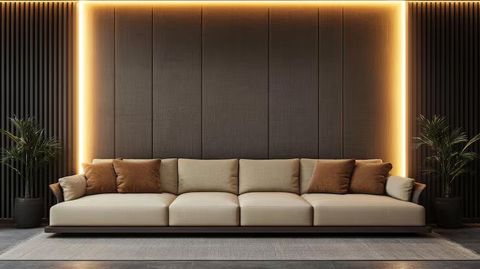
Living room furniture: Designer sofas, lounge chairs, coffee tables, entertainment units, and side tables contribute to seating arrangements and shared activities.
Bedroom furniture: Contemporary beds, wardrobes, bedside tables, dressing units, and storage benches help maintain comfort and organization.
Dining room furniture: Dining tables, upholstered chairs, sideboards, and display cabinets support everyday meals and social gatherings.
Home office furniture: Ergonomic desks, adjustable chairs, bookshelves, and compact storage units help organize working and study areas.
Outdoor furniture: Weather-resistant seating, garden tables, balcony chairs, and modular outdoor arrangements extend usable living space.
Importance
Designer home furniture matters because modern households have different space requirements, lifestyle preferences, and functional expectations. Furniture influences how people move through rooms, organize belongings, relax, entertain visitors, and complete everyday activities.
A thoughtfully arranged interior can also improve the visual consistency of a home. Coordinating furniture dimensions, materials, colors, and lighting helps create a comfortable environment without making individual rooms appear overcrowded.
Who Benefits From Designer Furniture?
Designer furniture is relevant to several groups of people.
Homeowners: Helps establish a consistent interior style while accommodating household activities.
Apartment residents: Compact furniture and multifunctional designs can improve the use of limited floor space.
Interior designers: Provides different materials, finishes, and furniture configurations for residential projects.
Property developers: Furniture planning helps establish functional layouts for furnished residential developments.
Hospitality operators: Contemporary furniture supports the interior requirements of guest rooms, lounges, and shared spaces.
Practical Problems Addressed by Furniture Design
Furniture design addresses several common household challenges.
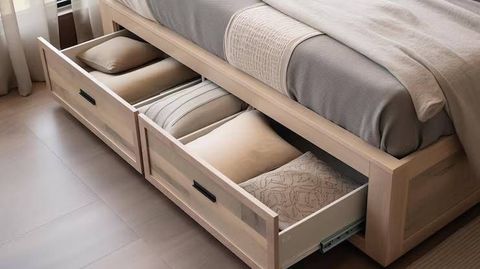
Limited space: Wall-mounted desks, extendable dining tables, storage beds, and nesting tables can make smaller rooms more adaptable.
Storage requirements: Modular wardrobes, cabinets, shelving units, and storage ottomans help organize everyday belongings.
Comfort and posture: Seating height, back support, cushion density, and desk dimensions influence how comfortably people use furniture.
Interior coordination: Matching wood finishes, upholstery textures, and furniture proportions creates visual consistency between rooms.
Changing household needs: Modular furniture can be rearranged as family requirements, room functions, or living arrangements change.
Factors to Consider When Selecting Furniture
The selection process involves more than appearance. Furniture dimensions, construction, materials, maintenance, and intended use should be considered together.
Selection factor | What to examine | Practical consideration |
|---|---|---|
Dimensions | Height, width, and depth | Available room space |
Materials | Wood, metal, glass, fabric | Durability and maintenance |
Construction | Joints, frames, and fittings | Structural stability |
Upholstery | Fabric type and cushioning | Comfort and cleaning |
Functionality | Storage and adjustable features | Everyday usability |
Design | Shape, color, and finish | Interior coordination |
These factors help distinguish furniture that suits a particular room from designs that may create unnecessary space or maintenance challenges.
Recent Updates
Contemporary designer home furniture continues to evolve through changing residential layouts, material developments, digital design tools, and growing interest in responsible manufacturing. Current trends emphasize adaptability, visual simplicity, natural textures, and practical functionality.
Contemporary Furniture Design Trends
Several design approaches have become increasingly visible in modern residential interiors.
Multifunctional furniture: Sofa beds, extendable tables, convertible desks, and storage seating support households that use rooms for multiple activities.
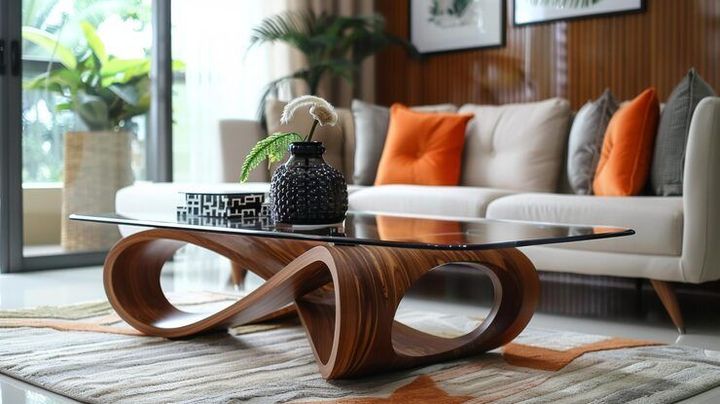
Organic shapes: Curved sofas, rounded coffee tables, sculptural chairs, and soft-edged cabinets introduce visual variation into interiors dominated by straight architectural lines.
Natural material combinations: Wood, stone, linen, rattan, and metal are frequently combined to create contrast between textures and finishes.
Minimalist interiors: Simple furniture silhouettes, uncluttered surfaces, and coordinated color palettes remain relevant in contemporary residential design.
Modular furniture systems: Individual storage units, seating sections, and shelving components can be configured according to room dimensions and changing requirements.
Sustainable Materials and Furniture Manufacturing
Environmental considerations have become more visible in furniture design. Manufacturers and designers increasingly examine material sourcing, product longevity, manufacturing waste, and packaging practices.
Examples of materials and manufacturing approaches include:
Reclaimed and recycled wood.
Recycled metal components.
Responsibly sourced timber.
Recycled textile fibers.
Low-emission surface finishes.
Replaceable upholstery and furniture components.
These developments reflect broader interest in furniture that can remain functional for longer periods and accommodate repair or refurbishment.
Digital Tools and Customized Furniture
Digital design technology has changed how people explore furniture arrangements. Three-dimensional room planners, augmented reality applications, and computer-assisted furniture design allow users to examine proportions and visual combinations before making interior decisions.
Online furniture configurators also allow adjustments to upholstery, dimensions, colors, storage arrangements, and surface finishes. These technologies help communicate design requirements more clearly between homeowners, designers, and manufacturers.
Laws or Policies
Designer home furniture is influenced by product safety requirements, environmental policies, material standards, and consumer protection frameworks. Requirements differ according to the country where furniture is manufactured, distributed, or used.
In India, several regulatory and standards-related frameworks are relevant to furniture manufacturing and household furnishings.
Furniture Quality and Safety Standards
The Bureau of Indian Standards (BIS) develops Indian Standards covering different products, materials, and manufacturing requirements. Furniture manufacturers may need to consider applicable standards depending on the product category and regulatory requirements.
Important considerations include:
Structural stability of chairs, tables, beds, and storage units.
Material quality and manufacturing consistency.
Appropriate testing of relevant furniture components.
Safe construction and finishing.
Product information and applicable conformity requirements.
The applicable standard depends on the specific furniture type and whether a mandatory certification requirement applies.
Environmental and Material Regulations
Furniture production can involve timber, adhesives, coatings, plastics, metals, and textile materials. Environmental requirements may therefore apply to manufacturing processes, waste management, emissions, and material sourcing.
Relevant frameworks include:
Environment (Protection) Act: Provides a general framework for environmental protection and related standards.
Plastic Waste Management Rules: Establish requirements concerning plastic waste management and responsibilities within applicable waste-management systems.
Consumer Protection Act: Addresses consumer rights, misleading representations, and unfair trade practices involving products.
BIS standards: Provide technical specifications and testing frameworks for applicable furniture products and materials.
Manufacturers and consumers should distinguish between voluntary design certifications and legally mandatory product requirements. Compliance depends on the applicable product category and current regulations.
Tools and Resources
Furniture planning involves measuring rooms, comparing materials, understanding interior layouts, and coordinating furniture dimensions. Several digital tools and practical resources help organize these activities.
Digital Interior Design Platforms
Room-planning software allows users to create layouts and examine how furniture fits within available space.
Common platforms include:
SketchUp: Supports three-dimensional room modeling and furniture layout visualization.
Planner 5D: Provides interior planning and three-dimensional visualization features.
Homestyler: Helps users explore room layouts, furniture arrangements, and interior finishes.
RoomSketcher: Supports floor plans and residential interior visualization.
These platforms can help users understand furniture proportions before finalizing room arrangements.
Furniture Measurement and Planning Tools
Accurate measurements are important when arranging contemporary furniture.
Useful planning tools include:
Room measurement calculators: Help determine available floor area and furniture placement dimensions.
Furniture layout templates: Provide structured arrangements for living rooms, bedrooms, dining areas, and home offices.
Material comparison sheets: Help compare wood types, upholstery, surface finishes, and maintenance requirements.
Color palette generators: Assist with coordinating furniture shades, wall colors, flooring, and decorative elements.
Practical Furniture Planning Tips
A few basic practices can make interior planning more organized:
Measure doorways, corridors, staircases, and room dimensions before selecting large furniture.
Maintain sufficient walking space between furniture pieces.
Coordinate furniture finishes with flooring and wall colors.
Consider natural lighting when selecting darker or lighter materials.
Examine upholstery maintenance requirements.
Choose storage arrangements according to household requirements.
Maintain visual balance by combining larger furniture pieces with smaller accessories.
FAQs
What Is Designer Home Furniture?
Designer home furniture refers to furniture developed with attention to appearance, materials, proportions, construction, and functionality. It includes contemporary sofas, dining tables, beds, cabinets, chairs, and customized storage units.
What Are the Popular Contemporary Furniture Styles?
Popular styles include Scandinavian, minimalist, industrial, mid-century modern, and contemporary luxury designs. Each uses different combinations of furniture shapes, colors, textures, and materials.
How Do I Choose Designer Furniture for a Small Home?
Consider compact dimensions, multifunctional furniture, vertical storage, extendable tables, and furniture with integrated storage. Measure available space and maintain clear walking paths.
Which Materials Are Commonly Used in Designer Home Furniture?
Common materials include solid wood, engineered wood, metal, glass, leather, natural fabrics, stone, and recycled materials. Their suitability depends on durability, appearance, maintenance, and intended use.
What Are the Latest Trends in Modern Home Furniture?
Current trends include modular furniture, curved silhouettes, natural textures, multifunctional designs, neutral color palettes, and materials associated with more responsible manufacturing practices.
Conclusion
Designer home furniture combines contemporary aesthetics with practical household functionality. Modern furniture trends emphasize adaptable layouts, multifunctional features, natural materials, and coordinated interior designs. Understanding furniture dimensions, construction, maintenance, and applicable product standards helps create organized and comfortable living environments. Digital planning platforms further support furniture selection and residential interior visualization.