Light Shapes Interiors Information With Lighting Effects, Materials, and Space Planning
Light shapes interiors by influencing how people see, understand, and experience indoor spaces. Interior lighting design involves more than installing lamps or ceiling fixtures.
It combines lighting effects, surface materials, room dimensions, furniture placement, and natural daylight to create comfortable and functional environments. The relationship between light and interior architecture helps determine whether a room feels spacious, welcoming, balanced, or visually complex.
Historically, interior lighting depended heavily on daylight, candles, oil lamps, and other basic illumination methods. The introduction of electric lighting changed how residential, commercial, and public buildings were designed. Modern lighting systems now include LED technology, adjustable brightness, smart controls, and architectural lighting features.
Light shapes interiors through three important elements: illumination, reflection, and shadow. Illumination makes activities possible, reflection influences how surfaces appear, and shadows introduce depth and visual definition. Together, these elements affect the atmosphere and practical use of an indoor environment.
Understanding Light in Interior Design
Interior lighting generally falls into three categories:
Ambient lighting: Provides general illumination throughout a room. Ceiling fixtures, recessed lights, and indirect lighting are common examples.
Task lighting: Directs light toward specific activities, including reading, cooking, studying, and working.
Accent lighting: Highlights architectural features, artwork, decorative objects, and selected surfaces.
These lighting categories can work together within the same room. Their arrangement depends on the room's purpose, ceiling height, furniture layout, and available daylight.
Natural and Artificial Lighting
Natural lighting enters indoor spaces through windows, skylights, glass doors, and other openings. Its intensity and direction change throughout the day, affecting the appearance of interior materials and colors.
Artificial lighting provides illumination when daylight is insufficient or unavailable. LED fixtures, pendant lights, wall lights, floor lamps, and recessed lighting allow different lighting arrangements according to specific room requirements.
Importance
Light shapes interiors in ways that affect everyday activities, visual comfort, and the overall use of buildings. Residential occupants depend on appropriate illumination for cooking, reading, cleaning, relaxing, and other household activities. Offices, educational facilities, healthcare buildings, hotels, and retail environments also require lighting arrangements suited to their functions.
Poor lighting can create practical difficulties. Excessive brightness may cause glare, while insufficient illumination can make detailed activities difficult. Uneven lighting can also create strong shadows that affect visibility and the appearance of interior spaces.
How Lighting Influences Space Planning
Space planning determines how rooms, furniture, circulation areas, and functional zones are arranged. Lighting supports this process by helping distinguish different activities within an open or enclosed space.
For example, a dining area may use a pendant fixture above the table, while a nearby seating area uses softer ambient lighting. In a home office, task lighting can be positioned near the desk to support reading and computer-related activities.
Lighting also influences how people perceive room dimensions. Brightly illuminated walls can make smaller rooms appear more open, while carefully directed accent lighting can emphasize architectural details.
The Relationship Between Materials and Lighting
Interior materials respond differently to illumination because their colors, textures, and surface finishes influence reflection and absorption.
Interior material | Lighting response | Common application |
|---|---|---|
Glass | Transmits and reflects light | Windows and partitions |
Polished stone | Produces surface reflections | Flooring and countertops |
Natural wood | Creates warm visual tones | Furniture and wall panels |
Matte paint | Reduces noticeable reflections | Walls and ceilings |
Metal | Reflects light depending on finish | Decorative fixtures |
Textured fabric | Softens light and shadows | Curtains and upholstery |
Material selection is important because the same lighting arrangement can produce different visual results across different surfaces. Glossy finishes may create reflections, while matte materials generally produce a more subdued appearance.
Lighting and Human Comfort
Lighting conditions can influence visual comfort, concentration, and daily routines. Appropriate illumination helps people perform activities without unnecessary eye strain caused by glare or insufficient visibility.
Color temperature is another important consideration. It is measured in kelvin (K), with lower values generally producing warmer-looking light and higher values producing cooler-looking light.
Common applications include:
Warm white lighting for bedrooms and relaxation areas.
Neutral white lighting for kitchens, living rooms, and general household activities.
Cool white lighting for selected workspaces and environments requiring clear visual detail.
The appropriate choice depends on personal preferences, surface colors, room function, and the surrounding lighting conditions.
Recent Updates
Interior lighting has continued to develop through improvements in LED technology, automation, energy management, and architectural planning. Recent industry trends emphasize adaptable lighting systems that can respond to different activities throughout the day.
Smart Lighting and Automation
Smart lighting systems allow users to adjust brightness, schedules, and color temperature through compatible switches, applications, sensors, or voice-controlled devices. These systems can support different lighting arrangements for reading, entertainment, relaxation, and household activities.
Occupancy sensors and daylight sensors are also becoming more common in building design. They can adjust artificial illumination according to room occupancy or available natural light.
Human-Centric Lighting
Human-centric lighting focuses on the relationship between indoor illumination and human experiences. These systems may provide adjustable brightness and color temperature according to different activities and daily routines.
Rather than relying on one fixed lighting setting, adaptable systems allow indoor environments to change throughout the day. Their design requires consideration of individual needs, visual comfort, and the intended use of each space.
Sustainable Lighting Materials and Technology
Energy-efficient LED fixtures remain an important part of contemporary interior lighting. Compared with many traditional lighting technologies, LEDs generally consume less electricity and have longer operating lifetimes.
Other developments include:
Lighting fixtures made with recyclable or durable materials.
Improved controls for reducing unnecessary illumination.
Greater use of daylight through architectural openings.
Integrated lighting within furniture and ceiling structures.
Adjustable fixtures that support multiple room activities.
Architectural Lighting Integration
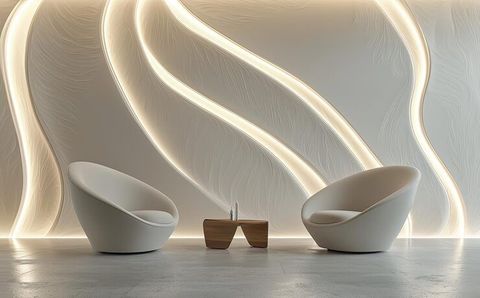
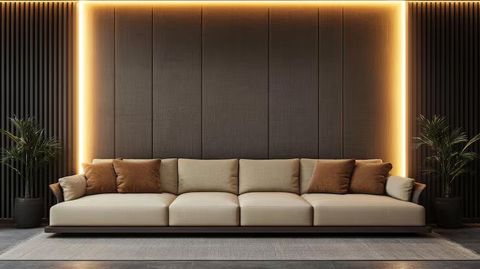
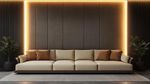
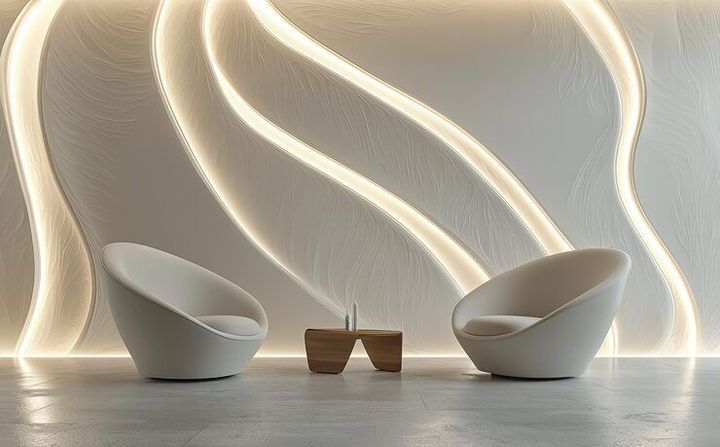
Modern interior architecture increasingly incorporates lighting into building elements rather than treating it as a separate decorative feature. Cove lighting, recessed profiles, illuminated shelves, and concealed LED strips are examples of integrated approaches.
These arrangements can emphasize ceiling shapes, wall textures, and room boundaries. Their effectiveness depends on installation quality, fixture positioning, and compatibility with the surrounding materials.
Laws or Policies
Interior lighting is influenced by building regulations, electrical safety requirements, energy-efficiency standards, and accessibility considerations. These requirements differ between countries and depend on building type, location, and intended occupancy.
In India, lighting arrangements may be influenced by the National Building Code of India, applicable electrical safety requirements, and energy-efficiency guidance. The Bureau of Energy Efficiency (BEE) also contributes to national energy conservation initiatives.
Building and Electrical Safety Requirements
Electrical installations must consider wiring protection, appropriate fixture ratings, circuit arrangements, and safe connections. Lighting installations in bathrooms, kitchens, and outdoor areas may require additional protection because of moisture and environmental exposure.
Building planning should also account for emergency illumination, exit visibility, and appropriate lighting in shared circulation areas where applicable.
Energy-Efficiency Considerations
Energy-efficiency policies encourage the responsible use of electricity in residential and commercial buildings. Lighting efficiency can be improved through suitable LED fixtures, daylight integration, occupancy controls, and appropriate illumination levels.
Important considerations include:
Selecting lighting equipment with suitable electrical ratings.
Avoiding unnecessary illumination in unoccupied areas.
Considering energy-efficient fixtures during building planning.
Maintaining appropriate visibility in stairways and circulation spaces.
Following applicable electrical installation and building requirements.
Specific requirements depend on the project location and building classification. General information about lighting design should not replace applicable technical or regulatory guidance.
Tools and Resources
Several tools help people understand lighting effects, compare materials, and plan interior spaces. These resources are useful for homeowners, architects, interior designers, students, and building professionals.
Interior Lighting Calculators
Lighting calculators estimate the illumination required for a particular room. They commonly use room dimensions, intended activities, fixture output, and other lighting characteristics.
The lux measurement is particularly useful because it describes the amount of illumination reaching a surface. Different activities require different illumination conditions.
Lighting Design Software
Interior design and architectural software can help users visualize lighting arrangements before installation. Common capabilities include three-dimensional room modeling, fixture placement, material selection, and simulated lighting effects.
Examples include:
DIALux: Used for lighting calculations and professional lighting layouts.
Relux: Supports lighting planning and illumination analysis.
Autodesk Revit: Supports architectural modeling and coordinated building design.
SketchUp: Helps visualize interior layouts, furniture arrangements, and lighting concepts.
Color and Material Planning Tools
Digital color visualization tools help users examine how paint shades and surface finishes may appear under different lighting conditions. Material libraries and sample boards can also support comparisons between wood, stone, glass, fabric, and metal finishes.
Important Lighting Measurements
Measurement | Meaning | Design application |
|---|---|---|
Lumens | Total visible light output | Comparing fixture brightness |
Lux | Illumination on a surface | Evaluating room lighting |
Kelvin | Light color temperature | Selecting warm or cool lighting |
CRI | Color Rendering Index | Understanding color appearance |
Watts | Electrical power consumption | Assessing energy use |
Understanding these measurements makes lighting decisions easier to evaluate. However, actual room performance also depends on fixture placement, surface reflectance, ceiling height, and surrounding conditions.
FAQs
How Does Light Shape Interior Design?
Light shapes interior design by influencing visibility, color appearance, shadows, and the perception of room dimensions. Natural and artificial lighting work together to create different visual environments.
What Are the Main Types of Interior Lighting?
The three main types are ambient, task, and accent lighting. Ambient lighting illuminates general areas, task lighting supports specific activities, and accent lighting highlights selected architectural or decorative features.
How Do Materials Affect Interior Lighting Effects?
Materials influence how light is reflected, absorbed, or transmitted. Glass allows light transmission, polished surfaces create reflections, and matte finishes generally produce softer visual effects.
How Does Lighting Improve Space Planning?
Lighting helps define functional areas, improve visibility, and distinguish different activities within a room. It can also influence the perceived dimensions of a space through the placement and intensity of illumination.
What Is the Difference Between Warm and Cool Lighting?
Warm lighting has a lower color temperature and produces a yellowish appearance, while cool lighting has a higher color temperature and appears more bluish or neutral. Both are used in interior environments according to their intended function.
Conclusion
Light shapes interiors through the relationship between illumination, materials, architectural features, and space planning. Natural daylight, artificial lighting, and modern LED systems contribute to the visual appearance and practical functionality of indoor environments. Developments in smart controls, energy efficiency, and integrated architectural lighting continue to influence contemporary interior design. Understanding lighting measurements, material characteristics, and applicable building requirements provides a foundation for evaluating indoor lighting arrangements.