Living Room Design Tips: Learn About Space, Comfort, and Decorative Elements
A well-planned living room improves everyday comfort and functionality. Thoughtful furniture placement, suitable colours, and balanced lighting help create an inviting environment.
Living room design involves arranging furniture, selecting decorative elements, and organising available space. The overall objective is to combine appearance with practical everyday requirements.
Importance of a Well-Planned Living Room
The living room often serves several purposes, including relaxation, entertainment, family activities, and welcoming visitors. Its design should reflect how household members regularly use the space.
A carefully planned layout can improve movement and make furniture arrangements more convenient. It can also help smaller rooms feel more organised without requiring extensive structural changes.
Several factors influence an effective living room interior:
Space utilisation: Arrange furniture according to room dimensions and movement requirements.
Visual balance: Combine colours, textures, and decorative elements without overcrowding.
Comfort: Select seating and furniture that support regular household activities.
Lighting: Use natural and artificial lighting to improve visibility and atmosphere.
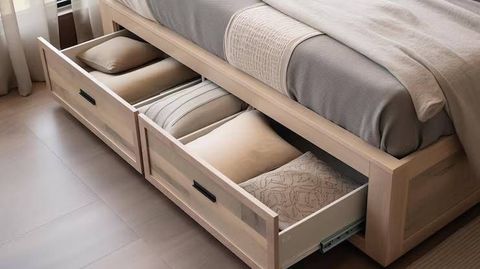
Storage: Incorporate cabinets, shelves, and storage units to reduce clutter.
Popular Living Room Design Styles
Different interior styles provide various approaches to furniture, colours, materials, and decoration. Understanding these options can help homeowners identify a suitable direction.
Modern Living Room Design
Modern interiors generally feature clean lines, simple furniture, neutral colours, and practical arrangements. Modern living room furniture often includes streamlined sofas, compact tables, and functional storage units.
Contemporary Living Room Decor
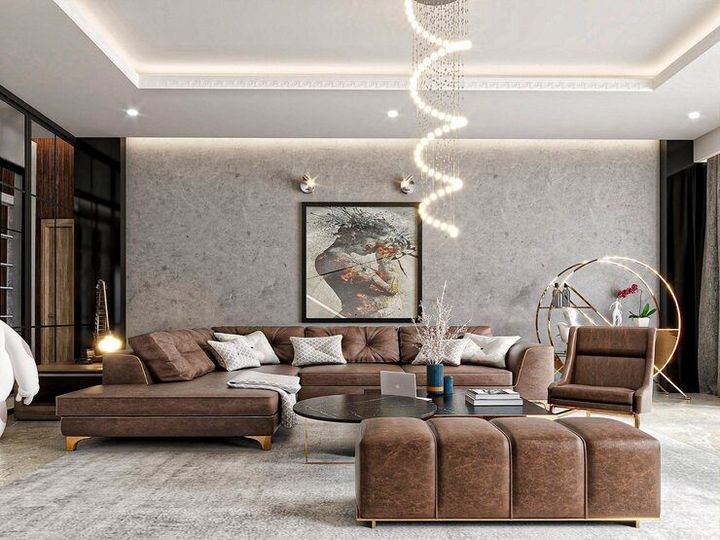
Contemporary designs reflect changing interior preferences and commonly combine different materials, textures, and decorative features. Neutral backgrounds, geometric patterns, and statement lighting are frequently used.
Luxury Living Room Designs
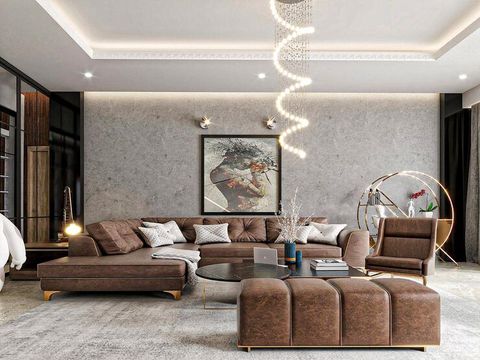
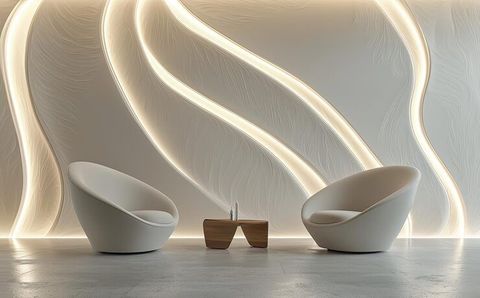
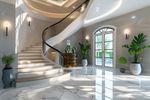
Luxury interiors often incorporate carefully selected materials, layered lighting, larger furniture pieces, and coordinated decorative details. Marble surfaces, textured wall panels, and premium upholstery can contribute to this appearance.
Minimalist Living Room Design
Minimalist interiors focus on simplicity and essential furniture. Limited decorations, uncluttered surfaces, and coordinated colours help maintain an organised environment.
Furniture, Colours, and Material Selection
Furniture selection plays an important role in determining the appearance and functionality of a living room. Before choosing individual pieces, consider room measurements, household requirements, and available space.
Common furniture options include:
Sofas and sectional seating for relaxation and entertainment.
Coffee tables for practical everyday use.
TV units and media cabinets for electronic equipment.
Side tables for additional surface space.
Bookshelves and storage cabinets for organisation.
Colour selection also influences the overall atmosphere. White, beige, grey, and soft earthy shades provide neutral backgrounds, while green, blue, and darker tones can introduce visual contrast.
Material choices should reflect maintenance requirements and daily usage. Wood, glass, metal, natural stone, and upholstered fabrics are commonly incorporated into residential interiors.
Living Room Design Planning and Budget Considerations
Planning before purchasing furniture or beginning renovation work helps establish realistic expectations. Compare furniture dimensions, material specifications, installation requirements, and available design options.
The following table provides general planning considerations rather than fixed market estimates.
| Design Element | Common Options | Main Consideration |
|---|---|---|
| Sofa | Sectional, modular, traditional | Comfort and dimensions |
| Flooring | Wood, tiles, stone | Maintenance and durability |
| Lighting | Pendant, ceiling, floor lamps | Brightness and placement |
| Wall Design | Paint, wallpaper, panels | Colour coordination |
| Storage | Cabinets, shelves | Available floor space |
Living room furniture prices can vary depending on material quality, dimensions, construction, and design complexity. Similarly, custom living room furniture may require additional planning because measurements and specifications are tailored to individual spaces.
Recent Living Room Design Trends
Interior preferences continue to evolve as homeowners explore practical layouts and different decorative approaches. Several design directions remain relevant for contemporary residential spaces.
Multifunctional furniture: Sofas with storage and extendable tables help manage limited space.
Natural materials: Wood, stone, and textured fabrics introduce different surface characteristics.
Layered lighting: Combining ceiling lights, floor lamps, and accent lighting creates flexibility.
Indoor greenery: Plants introduce natural elements into residential interiors.
Flexible layouts: Modular furniture allows arrangements to change according to household activities.
These approaches can be adapted to different room sizes and architectural styles.
Tools and Resources for Living Room Planning
Digital interior design tools can help homeowners explore layouts before making physical changes. Room planners, furniture measurement applications, and colour visualisation tools provide useful ways to compare different arrangements.
For effective planning, consider these steps:
Measure the room, including doors, windows, and available wall space.
Identify essential furniture and storage requirements.
Compare suitable interior styles and colour combinations.
Prepare a furniture layout using a room planning tool.
Review lighting, accessibility, and maintenance requirements.
Professional interior designers may also assist with more complex layouts, renovation planning, and material coordination.
Frequently Asked Questions
What is the most important element of living room design?
Space planning is an important starting point. Furniture placement, movement, lighting, and storage should work together to support everyday activities.
How can a small living room look spacious?
Use appropriately sized furniture, lighter colours, mirrors, and organised storage. Keeping unnecessary decorative items to a minimum can also improve the visual appearance.
What furniture is essential for a living room?
A sofa, coffee table, suitable lighting, and storage furniture are common essentials. Additional pieces depend on available space and household preferences.
How do I choose modern living room furniture?
Consider room dimensions, seating requirements, material quality, colour coordination, and maintenance needs before selecting individual furniture pieces.
Conclusion
Living room design combines functionality, comfort, and visual organisation. Understanding different interior styles, furniture arrangements, lighting options, and material choices helps homeowners make informed decisions. Careful planning can create a practical living environment that reflects household preferences and available space.