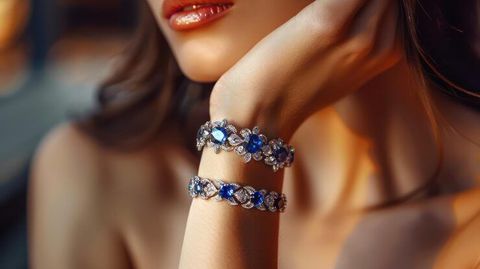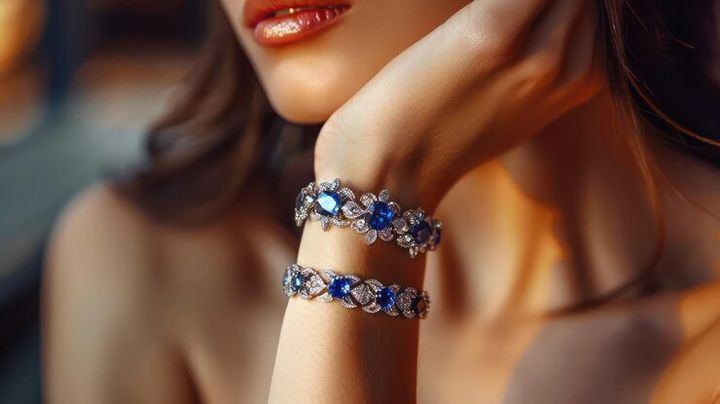
Learn About Sapphire Jewelry With Gemstone Types, Colors, and Design Details
Sapphire jewelry refers to decorative pieces that use sapphire as a central gemstone or as an accent alongside metals and other stones. Sapphire is a variety of the mineral corundum, a crystalline form of aluminum oxide. Its familiar blue appearance comes from trace elements within the crystal, while other trace elements can create different colors.
Although blue sapphire is widely recognized, sapphires can occur in pink, yellow, green, orange, purple, and several other shades. A colorless variety also exists. Red corundum is generally classified separately as ruby, even though ruby and sapphire belong to the same mineral family.
Sapphires have been used in jewelry for centuries across different cultures. Their combination of color, hardness, and crystal structure has made them suitable for rings, earrings, necklaces, pendants, bracelets, and other decorative designs.
Sapphire jewelry can contain natural gemstones, laboratory-created stones, or treated stones. These categories can look similar without specialized examination, so understanding gemstone types and treatment information is an important part of learning about sapphire jewelry.
How Sapphire Forms
Natural sapphire develops deep within geological environments where suitable chemical conditions allow corundum crystals to form. Over long periods, geological processes can bring these crystals closer to the surface, where they may eventually be recovered and prepared for jewelry.
Laboratory-created sapphire has essentially the same chemical composition and crystal structure as natural sapphire, but it is produced under controlled conditions. This distinction is important because origin can influence how a gemstone is documented and valued.
Main Sapphire Types
Sapphires can be grouped according to color, origin, treatment, and production method. Common categories include:
- Blue sapphire, recognized for blue shades ranging from light to deep tones.
- Pink sapphire, which ranges from delicate pink to stronger saturated shades.
- Yellow sapphire, occurring in pale yellow through richer golden tones.
- Green sapphire, which may display muted or stronger green coloration.
- Orange and padparadscha sapphire, associated with combinations of pink and orange tones.
- Colorless sapphire, which lacks the trace elements responsible for visible coloration.
- Laboratory-created sapphire, produced in controlled environments.
- Treated sapphire, where heat or another accepted process has been used to modify appearance.
Importance
Sapphire jewelry matters because gemstone appearance involves several characteristics beyond color alone. Consumers, collectors, designers, and jewelry professionals may consider color, clarity, cut, carat weight, origin information, treatment, durability, and mounting design.
Sapphire has a Mohs hardness of 9, making it one of the harder commonly used gemstones. Diamond is harder, while many other jewelry gemstones are softer. Sapphire's hardness makes it suitable for pieces intended for regular wear, although hardness does not mean that a stone cannot chip, scratch under certain conditions, or suffer damage from impact.
Understanding Sapphire Colors
Color is one of the most noticeable features of sapphire jewelry. Blue sapphire remains strongly associated with the gemstone, but the wider sapphire color range provides many design possibilities.
Blue shades can vary from pale blue to deep blue. Pink sapphires can range from soft pastel tones to stronger pink hues. Yellow, green, orange, and purple varieties provide additional options for jewelry designers.
Color perception can also change according to lighting conditions. A gemstone may appear somewhat different under daylight, indoor lighting, or jewelry-store illumination. For this reason, professional gemstone assessment considers controlled viewing conditions rather than relying on a single photograph.
Cut, Clarity, and Carat Weight
The cut determines how a sapphire interacts with light. Common shapes include round, oval, cushion, pear, emerald, and marquise cuts. The selected shape depends on the gemstone's natural characteristics and the intended jewelry design.
Clarity describes internal features and surface characteristics. Natural sapphires commonly contain inclusions, and their presence does not automatically indicate a problem. Some inclusions can help identify natural formation, while excessive inclusions may affect transparency or appearance.
Carat refers to gemstone weight rather than physical dimensions alone. Two sapphires with the same carat weight can have different shapes, proportions, and visual sizes.
Sapphire Jewelry Design Details
Sapphire can be incorporated into many jewelry styles. A design may use one larger sapphire as a central stone or several smaller stones as accents.
Common design formats include:
| Jewelry Type | Typical Sapphire Arrangement | Common Design Considerations |
|---|---|---|
| Rings | Center stone or side stones | Setting security, proportions, daily wear |
| Earrings | Single stones or matching pairs | Symmetry, weight, color consistency |
| Necklaces | Pendant stone or multiple stones | Chain proportion and stone placement |
| Bracelets | Repeated stones or accent settings | Protection from impact and movement |
| Brooches | Central or decorative arrangement | Metal structure and visual balance |
Metal selection also influences the overall appearance. Yellow, white, and rose-colored metals can create different visual relationships with sapphire colors. The setting may be prong-based, bezel-based, halo-style, or designed around several gemstones.
Recent Updates
The sapphire jewelry sector has continued to reflect broader changes in gemstone identification, laboratory technology, digital design, and consumer interest in gemstone origin.
Improved Gemstone Identification
Gemological laboratories increasingly use advanced instruments to distinguish natural, treated, and laboratory-created gemstones. Spectroscopic analysis, microscopic examination, and other testing methods can provide information that is difficult to determine through visual inspection alone.
This development is particularly relevant when a gemstone has significant documentation or when its treatment and origin need clarification.
Greater Interest in Color Variety
Blue sapphire remains an important part of the category, while interest in alternative sapphire colors has expanded design possibilities. Pink, yellow, green, orange, and color-changing sapphires can appear in contemporary jewelry collections.
Color-changing sapphire is particularly notable because its appearance can shift under different lighting conditions. The effect depends on the gemstone's optical characteristics rather than a decorative surface treatment.
Digital Jewelry Design
Computer-aided design and three-dimensional modeling have become increasingly common in jewelry development. These technologies allow designers to examine proportions, stone placement, setting structures, and overall appearance before a physical piece is produced.
Digital tools can also help explain jewelry construction to people who have limited knowledge of gemstone settings.
Greater Attention to Treatment Disclosure
Heat treatment is common in the sapphire trade and can alter color or clarity. Modern gemstone documentation increasingly emphasizes clear identification of treatments because treatment status can affect how a gemstone is understood and evaluated.
Laws or Policies
Sapphire jewelry is influenced by consumer protection rules, gemstone disclosure requirements, precious-metal standards, import documentation, and trade regulations. Exact requirements vary by jurisdiction, so there is no single worldwide rule covering every sapphire jewelry transaction.
Gemstone Disclosure
In many markets, businesses dealing with gemstones are expected to provide accurate descriptions of important characteristics. If a sapphire has undergone treatment, that information may need to be disclosed according to applicable rules and industry standards.
Descriptions should also distinguish between natural sapphire and laboratory-created sapphire. Using language that could cause confusion about gemstone origin can create regulatory and consumer-protection concerns.
Precious Metal Standards
Jewelry containing gold, platinum, silver, or other regulated metals may be subject to purity marking or hallmarking requirements. These rules vary between jurisdictions and can include requirements concerning metal fineness, manufacturer identification, or official inspection.
Import and Trade Requirements
International movement of gemstones can involve customs declarations, documentation, origin information, and trade controls. Certain regions may also maintain specific rules concerning gemstones sourced from particular locations or connected with regulated supply chains.
For this reason, professional documentation can be important when sapphire jewelry crosses borders or is accompanied by formal gemstone reports.
Tools and Resources
Several resources can help readers understand sapphire jewelry without requiring advanced gemological knowledge.
Gemstone Identification Tools
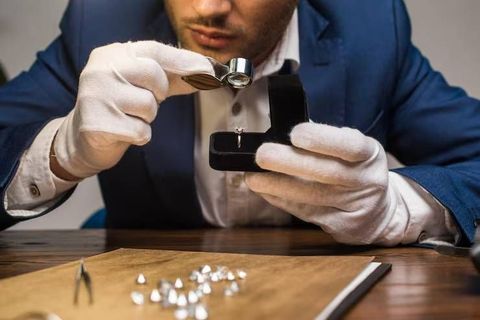
A loupe can provide a closer view of inclusions, surface characteristics, and setting details. However, visual inspection alone cannot reliably establish every aspect of a gemstone's origin or treatment.
Gemological microscopes provide greater magnification and lighting control. Spectrometers and other laboratory instruments can provide additional information about a sapphire's optical and chemical characteristics.
Jewelry Measurement Tools
Digital calipers can measure gemstone dimensions, while ring-sizing tools can help document jewelry proportions. A carat scale measures gemstone weight, although weight alone does not determine gemstone identity or quality.
Gemstone Reports
Independent gemological reports can document characteristics such as gemstone identity, natural or laboratory-created status, treatment information, and sometimes geographic origin. The exact information depends on the laboratory and type of examination.
Educational gemstone databases, jewelry design platforms, digital modeling software, and gemological reference materials can also help readers understand terminology and design principles.
FAQs
What is sapphire jewelry?
Sapphire jewelry is jewelry incorporating sapphire as a central or accent gemstone. Sapphire is a corundum variety that occurs in several colors, including blue, pink, yellow, green, orange, and colorless forms.
What are the main sapphire colors?
Blue is the most recognized sapphire color, but sapphire can also appear in pink, yellow, green, orange, purple, and colorless forms. Some sapphires can display different colors under different lighting conditions.
Is sapphire suitable for everyday jewelry?
Sapphire has a Mohs hardness of 9, which provides strong resistance to scratching compared with many common gemstones. However, regular inspection and appropriate care remain important because hardness does not make a gemstone completely resistant to impact or damage.
What is the difference between natural and laboratory-created sapphire?
Natural sapphire forms through geological processes, while laboratory-created sapphire is produced under controlled conditions. Both are corundum, but their origins are different and can be identified through appropriate gemological examination.
Does sapphire jewelry contain treated gemstones?
Some sapphires undergo treatments, including heat treatment, to modify color or clarity. Treatment information can be documented through gemstone reports or disclosed according to applicable jewelry and consumer-protection standards.
Conclusion
Sapphire jewelry combines a durable corundum gemstone with a wide range of colors, cuts, settings, and metal designs. Understanding sapphire types, color characteristics, clarity, carat weight, treatments, and laboratory-created varieties helps explain the differences found across jewelry pieces. Modern identification technology and digital design tools have expanded how gemstones are examined and incorporated into jewelry. Regulations concerning disclosure, metal purity, documentation, and international trade also influence how sapphire jewelry is described and handled.