Three-Stone Diamond Rings Basics With Popular Designs, Diamond Shapes, and Jewelry Details
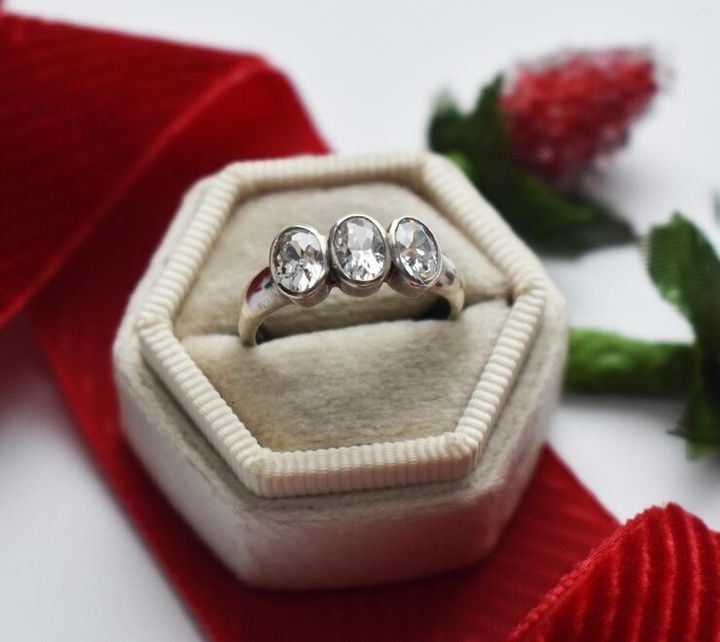
Three-stone diamond rings are a type of fine jewelry featuring three prominent gemstones arranged in a row across a single band. The central diamond is generally larger than the two side stones, creating a balanced appearance that draws attention to the middle of the ring.
These rings are also known as trilogy rings and are available in different diamond shapes, metal settings, and design styles.
The three-stone ring design has a long history in jewelry traditions. Its popularity is often associated with the symbolic meaning of past, present, and future. This interpretation has made three-stone diamond rings relevant for engagements, anniversaries, milestone celebrations, and personal jewelry collections.
Traditional designs usually feature three diamonds of similar shapes, while contemporary versions combine different cuts, gemstone arrangements, and decorative settings. Some designs use matching side diamonds, whereas others incorporate tapered stones or colored gemstones to create visual contrast.
The structure of a three-stone diamond ring involves several important elements:
Center diamond: The main gemstone, usually positioned in the middle of the ring.
Side diamonds: Two smaller stones placed on either side of the center diamond.
Ring band: The metal structure that supports the gemstones.
Prongs or settings: Components that hold the diamonds securely in position.
Gallery: The underside of the setting that supports the stones and influences the ring's overall construction.
Understanding these components helps readers recognize the differences between traditional three-stone rings and contemporary jewelry designs.
Importance
Three-stone diamond rings remain relevant because they combine decorative design with personal symbolism. Their arrangement creates a distinctive appearance while allowing different diamond sizes, shapes, and settings to work together.
These rings are relevant to several groups of people, including couples exploring engagement jewelry, individuals celebrating anniversaries, and collectors interested in traditional diamond designs.
Symbolism and Personal Meaning
The three diamonds are commonly interpreted as representing different stages of a relationship. The center stone represents the present, while the two side stones symbolize the past and future. However, this meaning is not universal, and individuals may associate the arrangement with their own experiences.
The three-stone arrangement can also represent family connections, personal milestones, or important life events. This flexibility makes the design suitable for different occasions.
Design Versatility
One important characteristic of three-stone diamond rings is their adaptability. The same basic arrangement can create different visual effects depending on the diamond shapes and proportions.
For example:
A round center diamond with two smaller round diamonds creates a symmetrical appearance.
An oval center diamond with tapered baguette side stones produces an elongated design.
An emerald-cut center diamond with matching side stones creates a geometric appearance.
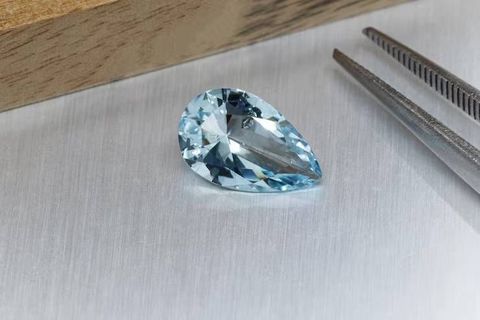
A pear-shaped center diamond with smaller round diamonds introduces curved details.
Practical Jewelry Considerations
Three-stone rings require attention to gemstone security and overall proportions. Since the design contains three prominent stones, the setting must support their combined weight without creating unnecessary pressure on the band.
The height of the center stone, spacing between diamonds, and shape of the prongs can influence everyday comfort. Designs with raised settings may also require more attention when worn during activities involving frequent hand movement.
Recent Updates
Three-stone diamond rings continue to evolve through changes in diamond sourcing, jewelry manufacturing, and consumer design preferences. Recent industry developments have influenced the materials, customization options, and visual styles available across the jewelry market.
Lab-Grown and Natural Diamonds
Lab-grown diamonds have become more visible in contemporary jewelry collections. These diamonds are produced through controlled technological processes and have essentially the same chemical composition and crystal structure as natural diamonds.
Natural diamonds develop through geological processes over long periods, while lab-grown diamonds are created in specialized production environments. Both types can be evaluated using the traditional diamond grading criteria of cut, color, clarity, and carat weight.
Three-stone rings can incorporate either type, depending on the design specifications and personal preferences.
Mixed Diamond Shapes
Modern three-stone diamond ring designs increasingly explore combinations of different gemstone shapes. Rather than using three identical diamonds, designers may combine a round center stone with trapezoid, baguette, or pear-shaped side stones.
These combinations create differences in symmetry, light reflection, and overall ring proportions.
Alternative Metal Choices
Traditional yellow gold remains part of three-stone ring designs, alongside white gold, rose gold, and platinum. Mixed-metal settings are also used to create contrast between the band and gemstone arrangement.
The following table summarizes common combinations.
Ring design | Center diamond | Side stones | Common metal |
|---|---|---|---|
Classic trilogy | Round brilliant | Round brilliant | Yellow gold |
Modern geometric | Emerald cut | Baguette | White gold |
Vintage-inspired | Cushion cut | Round diamonds | Rose gold |
Elongated design | Oval cut | Pear-shaped | Platinum |
Contemporary | Radiant cut | Trapezoid | White gold |
Customization and Digital Design
Computer-aided design (CAD) technology has influenced modern jewelry production. Designers can use digital models to examine stone placement, ring proportions, band thickness, and setting structures before physical manufacturing begins.
Digital previews also help customers understand how different diamond shapes and metal combinations may appear together. These developments support more detailed customization while maintaining the traditional three-stone structure.
Laws or Policies
Diamond jewelry is influenced by regulations concerning product descriptions, gemstone identification, consumer protection, and responsible sourcing. Requirements differ between countries, so the applicable rules depend on where jewelry is manufactured, imported, distributed, or purchased.
Diamond Identification and Disclosure
Diamond descriptions should clearly distinguish natural diamonds from laboratory-grown diamonds and diamond simulants. These materials have different characteristics and should not be presented as interchangeable products.
Laboratory-grown diamonds are genuine diamonds, while cubic zirconia and moissanite are separate materials with different chemical and physical properties.
Gemological documentation can provide information about a diamond's characteristics, including:
Carat weight and measurements.
Color grading.
Clarity characteristics.
Cut proportions and grading, where applicable.
Natural or laboratory-grown origin identification.
Independent grading documentation can help readers understand the characteristics of individual gemstones. However, a grading report does not automatically establish the complete history or ethical background of a diamond.
International Diamond Trade
The Kimberley Process Certification Scheme is an international framework designed to prevent conflict diamonds from entering legitimate rough-diamond trade channels. Participating countries follow documentation and certification requirements for covered rough-diamond shipments.
The framework primarily concerns international trade in rough diamonds rather than every finished jewelry transaction.
Consumer Protection and Jewelry Hallmarking
In countries with jewelry hallmarking systems, precious-metal purity may be subject to specific identification and verification requirements. Hallmarks can indicate the metal's fineness and the authorized identification associated with the marking.
For example, India's Bureau of Indian Standards operates a hallmarking framework for specified precious-metal jewelry. Other markets have their own consumer protection and jewelry disclosure requirements.
Consumers should understand the distinction between a diamond grading report and a metal hallmark. The former describes gemstone characteristics, while the latter relates to precious-metal purity.
Tools and Resources
Several tools and reference materials help readers understand three-stone diamond rings, compare diamond characteristics, and evaluate different jewelry designs.
Diamond Shape Guides
Diamond shape guides explain the visual differences between round, oval, princess, emerald, pear, cushion, and radiant diamonds.
These resources are particularly useful when comparing three-stone engagement rings because the center and side diamonds can have different shapes.
Diamond Carat Weight Calculators
Carat weight calculators help explain how gemstone weight relates to diamond measurements. Carat represents weight rather than physical dimensions, so two diamonds with identical carat weights may appear different in size.
A calculator can provide general estimates based on gemstone shape and measurements, although actual dimensions depend on individual cutting proportions.
Ring Size Calculators
Ring size tools help readers understand finger measurements and standard ring sizing systems. They are useful when examining band width, setting height, and overall ring proportions.
Sizing requirements can vary across jewelry markets, so the measurement system should be considered when interpreting calculator results.
Gemological Laboratories
Independent gemological laboratories provide diamond identification and grading documentation. Their reports can help distinguish natural diamonds from laboratory-grown diamonds and describe characteristics such as color, clarity, and carat weight.
Examples of recognized gemological organizations include the Gemological Institute of America (GIA) and the International Gemological Institute (IGI). Their documentation formats and grading approaches may differ.
Jewelry Design Software
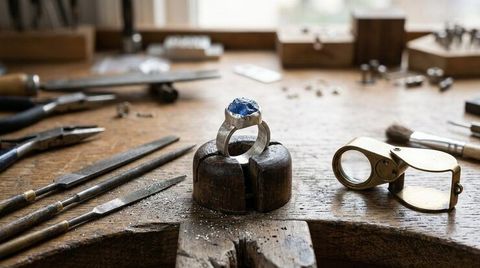
CAD platforms allow jewelry designers to create three-dimensional models of three-stone diamond rings. These models can illustrate the position of each gemstone, metal thickness, prong arrangement, and ring profile.
Such software is particularly relevant for custom jewelry development and manufacturing.
FAQs
What Is a Three-Stone Diamond Ring?
A three-stone diamond ring features one central diamond positioned between two smaller side diamonds. The arrangement is commonly associated with the past, present, and future and is used in engagement and anniversary jewelry.
What Are the Popular Three-Stone Diamond Ring Designs?
Popular designs include classic round brilliant trilogy rings, oval diamond rings with tapered side stones, emerald-cut rings with baguette diamonds, and vintage-inspired cushion-cut arrangements. Each design creates a different appearance depending on gemstone proportions and metal selection.
Which Diamond Shapes Are Suitable for Three-Stone Rings?
Round, oval, princess, emerald, cushion, pear, and radiant shapes are commonly used. The choice depends on the desired appearance, side-stone compatibility, and overall ring proportions.
Are Lab-Grown Diamonds Suitable for Three-Stone Rings?
Yes. Lab-grown diamonds can be used in the center and side positions of three-stone rings. They have essentially the same chemical composition and crystal structure as natural diamonds, although their origin and production methods differ.
What Does a Three-Stone Engagement Ring Symbolize?
A three-stone engagement ring is commonly associated with past, present, and future. However, its symbolism can vary according to personal traditions, relationships, and individual interpretations.
Conclusion
Three-stone diamond rings combine a traditional gemstone arrangement with a wide range of contemporary jewelry designs. Their appearance depends on diamond shapes, carat proportions, metal selection, and setting construction. Natural and lab-grown diamonds provide different sourcing options, while gemological documentation helps explain gemstone characteristics. Understanding these elements provides a useful foundation for exploring three-stone diamond ring styles and jewelry details.