Ruby Necklaces Overview With Precious Gemstones, Jewelry Craftsmanship, and Style Information
Ruby necklaces are jewelry pieces featuring rubies, a precious gemstone recognized for its rich red color, durability, and historical significance. Rubies belong to the corundum mineral family, which also includes sapphires.
Their red appearance comes mainly from trace amounts of chromium within the crystal structure. Depending on the mineral composition, rubies can display shades ranging from pinkish red to deep crimson.
The history of ruby jewelry extends across several centuries and different cultures. Rubies have appeared in royal ornaments, ceremonial accessories, traditional jewelry, and personal collections. Their distinctive color has made them an important gemstone in jewelry craftsmanship, particularly for necklaces, pendants, and decorative gemstone arrangements.
A ruby necklace generally consists of one or more rubies arranged within a metal setting or combined with other gemstones. The design may feature a single central ruby, several small stones, or a detailed arrangement of precious materials. Gold, platinum, and sterling silver are commonly used as setting materials.
Understanding Ruby Gemstone Characteristics
Natural rubies develop underground under specific geological conditions involving heat and pressure. They are primarily found in metamorphic rocks and certain mineral deposits. Their formation process influences their internal characteristics, including inclusions, transparency, and color distribution.
Several characteristics help distinguish one ruby from another:
Color: Ruby shades range from medium red to dark crimson, with variations in saturation and tone.
Clarity: Natural rubies commonly contain internal inclusions, which are sometimes called fingerprints.
Cut: The gemstone's cut affects its proportions, brilliance, and overall appearance.
Carat weight: This represents the gemstone's weight rather than its physical dimensions.
Origin: Geological origin can influence a ruby's characteristics and identification history.
Common Ruby Necklace Designs
Ruby necklaces are available in different arrangements, depending on personal preferences, traditional influences, and jewelry-making techniques.
Solitaire ruby necklace: Features one central gemstone, usually positioned within a simple metal setting.
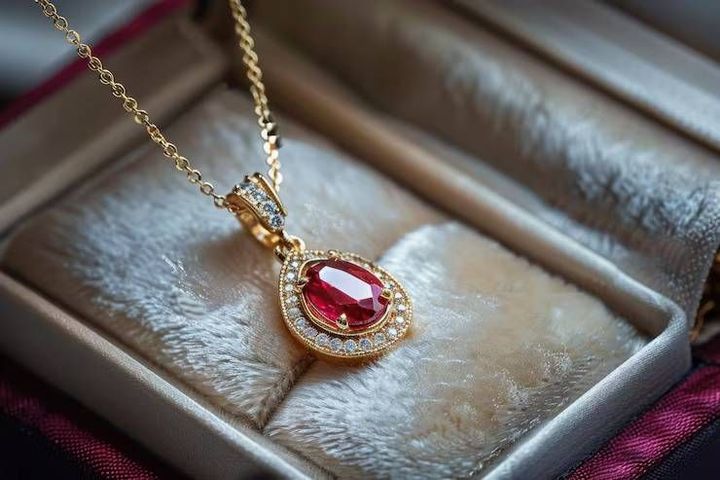
Ruby pendant necklace: Contains a decorative ruby attached to a chain, sometimes surrounded by smaller diamonds or additional gemstones.
Ruby gemstone necklace: Uses multiple rubies arranged in a repeated pattern or decorative composition.
Ruby and diamond necklace: Combines red rubies with diamonds to create contrast between gemstone colors and light reflection.
Traditional ruby necklace: Incorporates detailed metalwork, multiple gemstones, and cultural design elements.
Importance
Ruby necklaces remain relevant because gemstones have cultural, decorative, and personal significance. They are worn during celebrations, formal gatherings, family occasions, and traditional ceremonies. Their distinctive appearance also makes them recognizable elements of personal jewelry collections.
The importance of ruby jewelry extends beyond appearance. Gemstone selection, craftsmanship, material identification, and authenticity are important considerations for individuals interested in understanding precious jewelry.
Who Uses Ruby Necklaces?
Ruby necklaces appeal to different groups of people, depending on their cultural background, style preferences, and interest in gemstones.
Jewelry enthusiasts interested in precious gemstones and traditional craftsmanship.
Individuals choosing gemstone necklaces for weddings, anniversaries, and family celebrations.
Collectors studying natural rubies, gemstone origins, and jewelry history.
Designers incorporating colored gemstones into contemporary jewelry collections.
People interested in birthstone jewelry and traditional gemstone symbolism.
Ruby is traditionally associated with the month of July. It is also connected with themes such as vitality, affection, confidence, and strength in different cultural traditions. These associations are symbolic rather than scientifically established properties.
Factors That Influence Ruby Necklace Quality
Understanding gemstone characteristics helps readers evaluate jewelry more accurately. Several factors influence the appearance and overall characteristics of a ruby necklace.
Gemstone quality: Color, clarity, transparency, and cut contribute to the visual characteristics of the ruby.
Metal composition: Gold, platinum, and silver differ in durability, appearance, and maintenance requirements.
Craftsmanship: Secure gemstone settings, balanced proportions, polished surfaces, and carefully finished connections influence the necklace's construction.
Gemstone treatment: Some rubies undergo heat treatment to improve their color or clarity. Other treatments may involve filling surface-reaching fractures.
Documentation: Gemological reports can provide information about gemstone identity, natural or laboratory-grown origin, and detectable treatments.
Comparison of Ruby Necklace Materials
Material | Main characteristics | Common application |
|---|---|---|
Yellow gold | Warm metallic appearance | Traditional ruby necklaces |
White gold | Light-colored metallic finish | Contemporary gemstone designs |
Rose gold | Pinkish metallic appearance | Decorative ruby pendants |
Platinum | Dense and durable precious metal | Fine gemstone settings |
Sterling silver | Silver-colored alloy | Everyday necklace designs |
Recent Updates
Ruby necklaces continue to reflect changes in gemstone identification, jewelry design, and consumer preferences. Developments in laboratory-grown gemstones, digital jewelry visualization, and responsible sourcing have influenced how people understand precious gemstone jewelry.
Laboratory-Grown Ruby Developments
Laboratory-grown rubies have become an established part of the colored gemstone market. They have essentially the same chemical composition and crystal structure as natural rubies, although their formation takes place under controlled laboratory conditions.
These gemstones can be produced through different processes, including flame fusion and flux growth. Their appearance can resemble natural rubies, making accurate identification important when examining gemstone jewelry.
Natural and laboratory-grown rubies should be clearly distinguished in jewelry descriptions and documentation.
Modern Ruby Necklace Designs
Contemporary ruby necklace designs increasingly combine traditional gemstone arrangements with simpler metalwork. Minimalist pendants, geometric settings, and mixed gemstone combinations are among the styles found in modern collections.
Other noticeable design directions include:
Smaller ruby pendants designed for regular wear.
Ruby and diamond combinations with contrasting gemstone colors.
Vintage-inspired necklaces featuring detailed metalwork.
Custom gemstone arrangements using different ruby shapes.
Layered necklaces combining ruby pendants with plain metal chains.
Digital Gemstone Identification
Digital tools have improved access to gemstone information. High-resolution photography, digital microscopes, and laboratory testing equipment help gemologists examine gemstone characteristics.
Online jewelry visualization platforms also allow users to explore different necklace shapes, metal finishes, and gemstone arrangements before finalizing a design.
Responsible Gemstone Sourcing
Interest in gemstone origin and supply-chain transparency has increased. Jewelry manufacturers and gemstone businesses are paying greater attention to sourcing documentation, responsible mining practices, and material traceability.
However, a general statement about responsible sourcing does not independently establish the origin or environmental impact of an individual ruby.
Laws or Policies
Ruby necklaces are influenced by several legal and regulatory frameworks concerning precious metals, gemstone descriptions, consumer protection, international trade, and responsible sourcing. Requirements differ between countries, depending on their jewelry markets and regulatory systems.
Gemstone Identification and Disclosure
Jewelry descriptions should accurately distinguish between natural, treated, and laboratory-grown gemstones. These classifications matter because the formation process and treatments can affect how a gemstone is understood.
Gemological documentation may include:
Natural or laboratory-grown identification.
Detected gemstone treatments.
Mineral species and variety.
Measurements and carat weight.
Other relevant gemstone characteristics.
Independent gemological laboratories use specialized testing methods to examine these characteristics.
Precious Metal Standards
Gold, platinum, and silver jewelry may be subject to metal purity and hallmarking requirements. Hallmarks generally identify the metal composition or purity of a jewelry item.
In India, the Bureau of Indian Standards (BIS) administers the hallmarking framework for applicable precious metal jewelry. Consumers should understand the distinction between precious metal hallmarking and gemstone certification because they establish different types of information.
Consumer Protection and Advertising Rules
Consumer protection frameworks generally require accurate product descriptions and transparent disclosure of relevant characteristics. Misrepresentation involving gemstone identity, metal purity, or treatment information can create consumer disputes.
International gemstone trade may also involve customs documentation, import requirements, export controls, and applicable business regulations. These requirements depend on the countries involved and the nature of the transaction.
Tools and Resources
Several tools and educational resources help people understand ruby necklaces, gemstone quality, jewelry construction, and precious metal characteristics.
Gemstone Identification Resources
Gemological laboratories provide information about gemstone identification, treatments, and mineral characteristics. Their educational materials explain the differences between natural gemstones, laboratory-grown materials, and imitation stones.
Relevant organizations include:
Gemological Institute of America (GIA) for gemstone education and identification information.
International Gemological Institute (IGI) for gemstone and jewelry grading information.
Bureau of Indian Standards (BIS) for applicable precious metal hallmarking information.
Jewelry Design and Measurement Tools
Digital jewelry design platforms help users understand how different necklace arrangements may appear. These tools can include 3D visualization, gemstone placement, chain-length adjustments, and metal selection.
Common measurement tools include:
Digital calipers for measuring gemstone dimensions.
Jewelry scales for measuring gemstone weight.
Magnifying lenses for examining visible inclusions.
Digital microscopes for detailed gemstone inspection.
Necklace measurement guides for understanding chain lengths.
Ruby Necklace Evaluation Table
The following table provides a general overview of important characteristics to examine when studying ruby necklaces.
Evaluation factor | Information to examine | Purpose |
|---|---|---|
Color | Hue, tone, saturation | Understand visual appearance |
Clarity | Inclusions and transparency | Examine internal characteristics |
Cut | Shape and proportions | Evaluate gemstone presentation |
Treatment | Heating or fracture filling | Understand gemstone processing |
Origin | Geographic or laboratory origin | Identify formation background |
Metal purity | Gold, silver, or platinum composition | Understand setting materials |
Craftsmanship | Prongs, links, and finishing | Examine construction quality |
FAQs
What Makes Ruby Necklaces Different From Other Gemstone Necklaces?
Ruby necklaces are distinguished by their red corundum gemstones. Their color, mineral composition, durability, and traditional symbolism distinguish them from jewelry featuring emeralds, sapphires, and other precious stones.
Are Natural Rubies Used in Ruby Pendant Necklaces?
Yes. Natural rubies are commonly used in ruby pendant necklaces. However, laboratory-grown rubies and imitation materials are also available, so gemstone identification and documentation are important.
How Can Someone Identify a Genuine Ruby Necklace?
Gemstone identification involves examining color, inclusions, optical characteristics, and other physical properties. Professional gemological testing provides more reliable identification than visual inspection alone.
What Metals Are Commonly Used in Ruby Gemstone Necklaces?
Gold, platinum, and sterling silver are commonly used. The selection depends on the necklace design, metal characteristics, gemstone arrangement, and intended use.
Do Ruby Necklaces Require Special Maintenance?
Ruby necklaces benefit from regular inspection and appropriate cleaning. Mild soap and lukewarm water are commonly used for suitable untreated gemstones, but fracture-filled or otherwise treated rubies may require additional care. Professional guidance is appropriate when the treatment is unknown.
Conclusion
Ruby necklaces combine the geological characteristics of precious gemstones with traditional and contemporary jewelry craftsmanship. Their appearance depends on ruby color, clarity, cut, treatment, metal composition, and setting design. Developments in laboratory-grown gemstones, digital identification, and responsible sourcing continue to influence the jewelry industry. Understanding these factors provides useful background for evaluating ruby necklaces and their different styles.