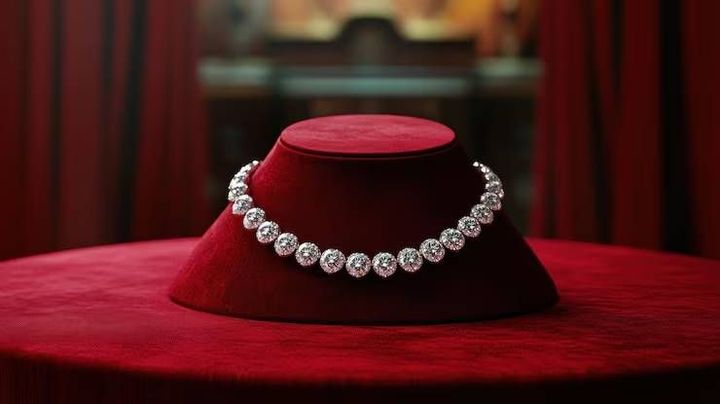
Red Carpet Inspired Necklaces Basics With Gemstone Designs and Fashion Inspiration
Red carpet inspired necklaces are jewelry pieces influenced by the styles worn at film premieres, award ceremonies, formal galas, and other high-profile events. These necklaces often feature gemstones, intricate metalwork, distinctive shapes, and designs that complement evening gowns and formal clothing.
Their appearance draws attention to the neckline while reflecting personal style, craftsmanship, and changing fashion preferences.
The tradition of wearing decorative necklaces for important occasions dates back thousands of years. Ancient civilizations used gold, colored stones, pearls, and other materials to create jewelry associated with social status, cultural identity, and ceremonial dress. Over time, these traditions influenced formal jewelry designs seen in royal gatherings, theatrical performances, and modern entertainment events.
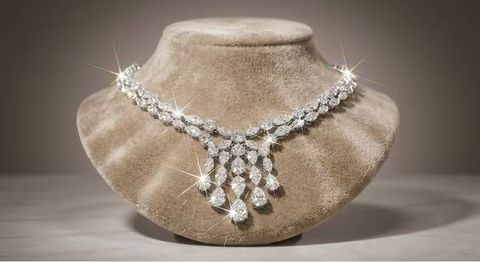
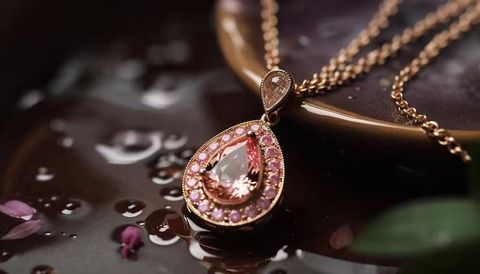
Today, red carpet inspired necklaces combine traditional craftsmanship with contemporary fashion ideas. Designers may incorporate diamonds, emeralds, sapphires, rubies, pearls, and colored gemstones into delicate pendants, elaborate chokers, or layered statement pieces. Some designs resemble historical jewelry, while others feature geometric shapes, asymmetrical arrangements, or minimalist settings.
These necklaces are not limited to celebrities or formal events. Their design principles can also influence everyday jewelry choices, wedding accessories, anniversary gifts, and evening wear. Understanding gemstone types, necklace structures, metal finishes, and styling techniques helps readers recognize the differences between various designs and identify which features suit their preferences.
What defines a red carpet inspired necklace?
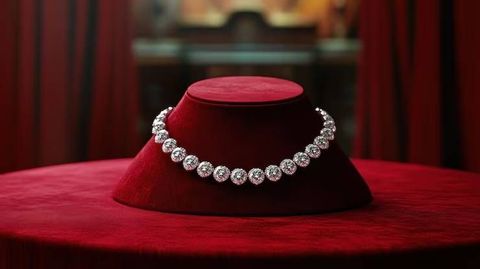
A red carpet inspired necklace typically combines visual detail with a clear design theme. Some pieces emphasize a large central gemstone, while others use multiple stones arranged in repeating patterns or flowing shapes.
Common design characteristics include:
Statement proportions that create a noticeable focal point.
Gemstones selected for their color, brilliance, or distinctive appearance.
Decorative settings that complement the stones.
Metal finishes such as yellow gold, white gold, platinum, or silver.
Neckline-focused shapes designed to coordinate with formal clothing.
The defining feature is not a particular gemstone or metal. Instead, it is the relationship between the necklace, its craftsmanship, and the overall appearance of the outfit.
Importance
Red carpet inspired necklaces remain relevant because jewelry plays an important role in personal expression, cultural traditions, and formal fashion. A necklace can introduce color to a neutral outfit, complement an embroidered garment, or create visual balance around the neckline. It can also reflect an individual's preference for understated accessories or elaborate decorative pieces.
These design choices matter to several groups, including jewelry enthusiasts, fashion students, event attendees, collectors, and people researching gemstone jewelry. Understanding necklace styles can make it easier to compare designs, recognize material differences, and select accessories that fit a particular occasion.
How necklace styles influence fashion
Necklace design affects the overall balance of an outfit. A wide choker creates a different visual effect from a long pendant, even when both use the same gemstones. Neckline shape, fabric texture, hairstyle, and the presence of other accessories can also influence how a necklace appears.
For example, a strapless gown may accommodate a choker or a short necklace with a central gemstone. A high neckline may work more naturally with earrings or a longer pendant, depending on the garment's design. A heavily embroidered outfit may require a simpler necklace to prevent competing decorative elements.
Understanding gemstone choices
Different gemstones produce different visual effects because of their color, transparency, reflective properties, and cutting style. Their physical properties also affect durability and care requirements.
Gemstone | Common appearance | Typical necklace applications | Care considerations |
|---|---|---|---|
Diamond | Clear or near-colorless brilliance | Solitaire pendants and clustered designs | Protect from impacts and inspect settings |
Emerald | Green, often with visible inclusions | Formal statement necklaces | Avoid harsh chemicals and sudden temperature changes |
Sapphire | Blue and other colors | Pendants, halos, and repeated stone patterns | Clean gently and inspect clasps |
Ruby | Red to purplish red | Central gemstone and decorative accents | Avoid damaging the setting through impacts |
Pearl | Soft, rounded luster | Classic strands and contemporary necklaces | Keep away from perfumes and household chemicals |
Amethyst | Purple shades | Color-focused pendants and decorative arrangements | Limit prolonged exposure to intense heat or sunlight |
The appearance and durability of a gemstone depend on its particular characteristics and treatment history. Natural gemstones, laboratory-grown gemstones, and imitations may look similar but differ in origin, composition, and identification. Reliable documentation can help clarify these distinctions.
Everyday challenges when choosing a necklace
One common challenge is balancing appearance with comfort. Heavy statement necklaces may feel uncomfortable during long events, while delicate chains can become tangled or may not remain visible against certain fabrics.
Other considerations include skin sensitivity, clasp security, gemstone maintenance, and compatibility with existing jewelry. A thoughtful comparison of these features helps distinguish an attractive design from one that may be impractical for regular wear.
Recent Updates
Recent fashion developments have expanded the range of red carpet inspired necklaces available to the public. Across contemporary jewelry design, there is continued interest in personal styling, colorful gemstones, mixed materials, vintage influences, and pieces that can be worn in more than one setting.
Contemporary gemstone and jewelry trends
Colorful gemstone combinations are an important design direction. Instead of relying only on clear stones, designers may combine emerald green, sapphire blue, ruby red, and other colors to create contrast. Some necklaces use graduated gemstones, where the stones change in size or color along the chain.
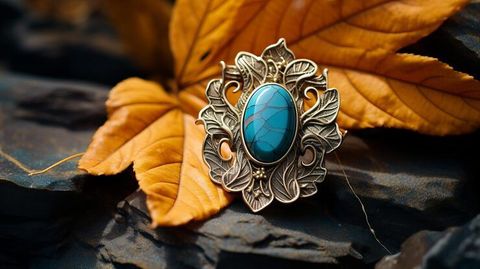
Vintage-inspired designs also remain visible in contemporary collections. Art Deco geometry, antique-style settings, floral motifs, and intricate metalwork provide references for necklaces that combine historical aesthetics with modern proportions.
Other notable directions include:
Layered necklaces: Several chains of different lengths create depth without requiring one large centerpiece.
Sculptural designs: Curved metal shapes, irregular forms, and asymmetrical arrangements provide a contemporary appearance.
Personalized details: Initials, birthstones, and meaningful gemstone combinations introduce individual significance.
Versatile jewelry: Detachable pendants and adjustable chains allow different styling arrangements.
Material transparency: Greater attention to gemstone origin, laboratory-grown alternatives, and material documentation helps consumers understand jewelry composition.
These are broad design trends rather than universal changes across every jewelry market. Individual collections differ according to cultural preferences, designer influences, manufacturing techniques, and material availability.
Laboratory-grown gemstones and design innovation
Laboratory-grown diamonds and certain gemstones have expanded the range of materials used in contemporary jewelry. Laboratory-grown diamonds have essentially the same chemical composition and crystal structure as natural diamonds, although their origins differ. Other laboratory-created stones may have different properties depending on their composition.
Advances in precision cutting and computer-assisted design also allow manufacturers to experiment with intricate settings and consistent gemstone arrangements. These techniques can support complex necklace structures while helping designers plan proportions before physical production begins.
Material origin should not be confused with appearance alone. A gemstone's identity, treatment, durability, and documentation remain important when evaluating a piece of jewelry.
Laws or Policies
Red carpet inspired necklaces are influenced by consumer protection rules, product descriptions, gemstone disclosure practices, and regulations governing precious metals. Requirements vary between countries, so there is no single international law that applies identically to every necklace.
For consumers, the central issue is whether the jewelry description accurately represents its materials, origin, and characteristics. Jewelry businesses may have obligations relating to product labeling, advertising accuracy, invoices, hallmarking, and the disclosure of treatments or synthetic materials.
Gemstone identification and disclosure
Gemstone terminology helps distinguish natural stones from laboratory-grown materials and imitations. A necklace described as containing a natural emerald, for example, should not be represented as containing a laboratory-created emerald without an appropriate distinction.
Important details to understand include:
Gemstone identity: The name of the stone and whether it is natural, laboratory-grown, or an imitation.
Treatments: Certain gemstones undergo treatments that alter their color, clarity, or appearance.
Metal composition: The necklace's metal type and purity, where applicable.
Documentation: Invoices, grading reports, or other records that support material descriptions.
A gemstone grading report and a jewelry authenticity document are not necessarily the same thing. Their scope depends on the issuing organization and the specific item examined.
Precious metal standards
Gold, silver, and platinum jewelry may be subject to purity standards or hallmarking requirements in particular jurisdictions. Hallmarks can indicate metal fineness and, depending on the system, provide information about testing or certification.
Because the applicable requirements depend on location, readers should distinguish general jewelry terminology from legally recognized markings. Accurate descriptions and understandable documentation help reduce confusion when comparing necklaces made from different materials.
Tools and Resources
Several practical resources can help readers understand red carpet inspired necklaces, compare gemstone characteristics, and plan jewelry combinations. The usefulness of each resource depends on whether the reader is researching design, material identification, styling, or maintenance.
Jewelry research and comparison tools
Digital jewelry catalogs and design galleries can help readers compare necklace lengths, gemstone arrangements, chain structures, and metal finishes. Museum jewelry collections and fashion archives provide historical context for vintage-inspired pieces and formal accessories.
Gemstone identification references explain properties such as hardness, optical appearance, common treatments, and sensitivity to environmental conditions. These references are useful for understanding general characteristics, although photographs alone cannot establish a gemstone's identity.
Practical planning resources
The following tools can help organize jewelry research:
Necklace length guides: Compare chain lengths with different necklines and garment shapes.
Gemstone comparison charts: Review color, durability, and maintenance considerations.
Jewelry care instructions: Learn appropriate cleaning and storage practices for specific materials.
Outfit planning templates: Record clothing colors, neckline shapes, earrings, and necklace styles for an event.
Gemstone grading documentation: Review the information provided by a qualified gemological laboratory when a formal assessment is relevant.
Matching necklaces with clothing
A simple planning table can clarify which necklace structures may complement different outfits.
Clothing style | Necklace design to consider | Main styling consideration |
|---|---|---|
Strapless evening gown | Choker or short statement necklace | Balance the open neckline |
V-neck dress | Pendant or V-shaped necklace | Follow the neckline's direction |
High-neck formal outfit | Long pendant or minimal necklace | Avoid overcrowding the upper neckline |
Off-shoulder gown | Collar necklace or gemstone cluster | Coordinate with shoulder and neckline details |
Embroidered evening wear | Simple chain or restrained gemstone design | Prevent competing decorative patterns |
Minimalist dress | Sculptural or colorful statement necklace | Introduce a clear focal point |
These are general styling guidelines, not strict rules. Fabric texture, personal comfort, necklace weight, and the intended occasion can influence the final combination.
FAQs
What are red carpet inspired necklaces?
Red carpet inspired necklaces are jewelry designs influenced by formal celebrity fashion, award ceremonies, and evening events. They often feature gemstones, statement shapes, detailed settings, or distinctive metalwork.
Which gemstones are commonly used in red carpet necklace designs?
Diamonds, emeralds, sapphires, rubies, pearls, and amethysts are commonly associated with formal necklace designs. The selection depends on the desired color, style, durability, and overall composition.
How do I match a gemstone necklace with an evening dress?
Consider the neckline, fabric texture, and colors in the outfit. A simple dress can accommodate a more elaborate necklace, while heavily decorated clothing may pair more naturally with a restrained design.
What is the difference between natural and laboratory-grown gemstones?
Natural gemstones form through geological processes, while laboratory-grown gemstones are produced under controlled conditions. Their properties vary by gemstone type, and identification may require appropriate testing or documentation.
How should red carpet inspired necklaces be maintained?
Store necklaces separately to reduce scratches and tangling, and follow care instructions suited to their gemstones and metals. Avoid harsh chemicals, protect delicate settings from impacts, and arrange professional inspection when a clasp or gemstone setting becomes loose.
Conclusion
Red carpet inspired necklaces combine gemstone selection, craftsmanship, historical influences, and contemporary fashion ideas. Understanding necklace structures, gemstone characteristics, and metal composition helps readers interpret different designs and their practical requirements. Current styles include colorful gemstones, vintage references, sculptural shapes, and laboratory-grown materials. Careful attention to styling, documentation, and maintenance provides a useful foundation for understanding formal jewelry.