Explore Sky Blue Enamel Jewellery With Colour, Patterns, and Jewellery Making Insights
Sky blue enamel jewellery combines the gentle appearance of blue shades with the decorative qualities of enamel, a material used to create colourful surfaces on metal. This jewellery style can include earrings, pendants, rings, bracelets, brooches, and other accessories.
Its appearance depends on the shade of blue, the metal beneath the enamel, and the patterns applied to the surface.
Enamel jewellery has a long history across different cultures. Artisans have used glass-based enamel to decorate metal objects, combining colour with detailed craftsmanship. Traditional techniques developed in different regions, while contemporary jewellery making introduced additional shapes, colour combinations, and production methods.
Understanding Sky Blue Enamel
Enamel is generally created by applying a powdered glass mixture to a prepared surface and heating it until the material fuses. Depending on the technique, the finished surface may appear smooth, glossy, translucent, or slightly textured. Some jewellery also uses enamel-like coatings made from other materials, so the exact composition can vary.
Sky blue enamel ranges from pale, almost white-blue shades to brighter tones resembling a clear daytime sky. Lighter shades can create a delicate appearance, while deeper blue variations provide more contrast against silver-coloured or gold-coloured metals.
Common Types of Sky Blue Enamel Jewellery
Several jewellery styles use sky blue enamel in different ways.
Pendants may feature simple geometric shapes, floral designs, or small decorative symbols.
Earrings can incorporate enamel as a central colour panel, a border, or a series of small patterns.
Rings may use a narrow enamel band or a larger decorated surface.
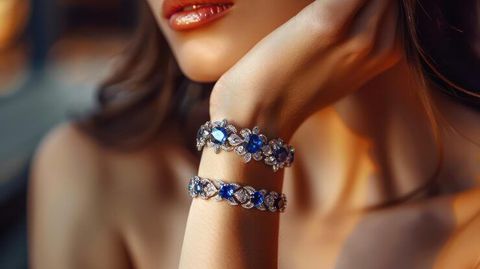
Bracelets can combine enamel sections with metal links, making colour an important part of the overall design.
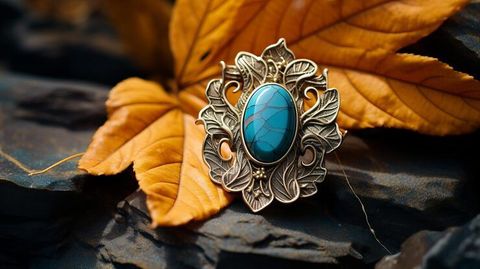
Brooches often provide space for detailed illustrations, leaves, flowers, and ornamental motifs.
These styles demonstrate how one colour can create different visual effects depending on the jewellery's shape, size, and construction.
Historical and Cultural Background
Enamel decoration has appeared in jewellery, ceremonial objects, and ornamental metalwork for centuries. Cloisonné, champlevé, and painted enamel are among the established techniques used to produce coloured designs.
Different cultures developed distinctive approaches to enamel work. Some traditions emphasised fine outlines and small compartments, while others focused on engraved surfaces or painted imagery. Modern sky blue enamel jewellery draws on these techniques while also incorporating contemporary shapes and simpler decorative patterns.
Importance
Sky blue enamel jewellery matters because it combines colour, personal expression, material knowledge, and practical design considerations. Understanding these features helps people recognise differences between jewellery pieces and understand how decorative choices influence their appearance and durability.
Colour and Personal Style
Blue is frequently associated with the sky, water, calmness, and openness. Sky blue can introduce a softer colour accent than darker navy or royal blue, making it suitable for understated designs as well as more detailed decorative pieces.
The surrounding materials also influence how the colour appears. Silver-coloured metal can emphasise a cool visual effect, while yellow or rose-toned metal creates a warmer contrast. White enamel details may make a sky blue design appear lighter, whereas dark outlines can make individual patterns more noticeable.
Material Durability and Everyday Use
Enamel can create a durable decorative surface when it is properly applied and maintained. However, glass-based enamel may chip or crack after an impact, particularly around exposed edges or raised sections.
Everyday wear introduces several practical considerations:
Rings may experience more frequent contact with hard surfaces than pendants.
Bracelets can rub against desks, clothing, and other accessories.
Earrings and pendants may experience less direct impact, although their clasps and connecting parts still require attention.
Jewellery with raised enamel sections may need more careful handling than pieces with protected surfaces.
Understanding these differences helps explain why construction and intended use matter alongside appearance.
Craftsmanship and Production Challenges
Producing enamel jewellery involves several stages, including metal preparation, surface cleaning, enamel application, heating where required, cooling, and finishing. Each stage affects the final appearance.
Uneven application may produce inconsistent colour, while incorrect heating can affect the enamel surface or the underlying metal. Fine patterns require additional attention because small decorative details can become less distinct during production.
Design factor | Influence on the finished jewellery |
|---|---|
Enamel thickness | Affects surface appearance and edge definition |
Heating process | Influences how the enamel fuses to the prepared surface |
Metal base | Affects structure, colour contrast, and compatibility |
Pattern complexity | Determines the level of detail required |
Surface finish | Influences light reflection and visual texture |
Construction quality | Affects the piece's overall durability |
These factors help explain why enamel jewellery can vary considerably even when two pieces use similar shades of blue.
Recent Updates
Contemporary jewellery design continues to combine traditional enamel methods with changing preferences for colour, shape, and personal expression. Across the 2024–2026 period, broader design directions include simplified forms, mixed materials, individualised details, and greater attention to material information. These are general design trends rather than evidence of a single worldwide shift specific to sky blue enamel.
Contemporary Colour and Pattern Trends
Sky blue works with several current design approaches, including minimal geometric shapes, botanical patterns, abstract illustrations, and combinations of contrasting colours.
Some designs use a single enamel colour to maintain a consistent appearance. Others combine sky blue with white, green, navy, or small metallic details to create visual depth. Irregular shapes and asymmetrical arrangements also provide alternatives to traditional symmetrical jewellery.
Traditional Techniques and Modern Production
Traditional enamel techniques remain relevant alongside contemporary manufacturing methods. Artisans may continue to apply enamel by hand, while some production processes use specialised equipment to improve consistency across repeated designs.
Digital drawing tools can help designers plan pattern placement, compare colour combinations, and examine how a design may look on a particular jewellery shape. However, a digital preview cannot fully reproduce the final appearance of fired enamel, which depends on the materials and production conditions.
Material Transparency and Responsible Design
Consumers increasingly encounter information about metal composition, coatings, manufacturing methods, and the care required for decorative finishes. Such details are relevant to enamel jewellery because the coloured surface and the underlying metal may have different material properties.
Designers and manufacturers may also explore repairable construction, longer-lasting components, and reduced production waste. The actual environmental impact depends on the materials, energy use, manufacturing process, and product lifespan rather than on the colour or decorative technique alone.
Laws or Policies
Sky blue enamel jewellery is affected by rules concerning product descriptions, material composition, consumer information, and chemical safety. The precise requirements depend on the country where the jewellery is manufactured, distributed, or sold.
Jewellery Labelling and Material Descriptions
Descriptions should accurately identify the materials used in a piece. For example, a jewellery item with a silver-coloured finish should not automatically be described as solid silver. Similarly, a decorative blue coating should not be represented as glass-based enamel unless its composition supports that description.
Material claims may concern:
The underlying metal and any plating.
The type of enamel or decorative coating.
The presence of gemstones or imitation stones.
Relevant metal purity information.
Care instructions and known material limitations.
Clear descriptions help distinguish the visible finish from the materials that provide the jewellery's structure.
Consumer Protection and Product Safety
Consumer protection rules in many countries address misleading descriptions, inaccurate claims, and the disclosure of relevant product information. Jewellery requirements may also cover restricted substances, metal composition, or components that could present safety concerns.
In India, applicable consumer protection requirements and relevant Bureau of Indian Standards provisions may be important, depending on the product and the specific claim being made. Hallmarking requirements should be considered separately from enamel decoration because they relate to the applicable precious-metal standards rather than simply to the presence of a coloured surface.
Safe Handling and Material Awareness
Jewellery makers should consider the compatibility of enamel, metal, adhesives, and any additional decorative components. Manufacturing processes involving heating or specialised coatings may require suitable workplace precautions.
For everyday users, it is useful to understand that a damaged enamel surface can expose the material underneath. Jewellery with loose components, sharp edges, or extensive chipping should be examined before continued wear. Specific legal obligations and technical standards should be checked against the rules applicable to the relevant product and market.
Tools and Resources
Several practical tools help explain, plan, and evaluate sky blue enamel jewellery. Their usefulness depends on whether the task involves design, material identification, production, or routine care.
Colour and Design Tools
Digital colour palettes allow designers to compare pale blue with turquoise, navy, white, and metallic shades. Colour-selection software can help establish consistent combinations before a design enters production.
Simple design templates can also be used to plan the placement of floral motifs, geometric shapes, decorative borders, and repeated patterns. These tools are particularly useful when a design includes several enamel colours or requires balanced spacing.
Jewellery-Making Equipment
The equipment used for enamel work varies according to the technique and materials involved.
Precision tools: Used to prepare metal surfaces and create defined shapes.
Application tools: Help distribute enamel material across the intended area.
Specialised heating equipment: Used in processes that require enamel to fuse to a compatible base.
Magnification tools: Assist with examining fine patterns, surface defects, and small edges.
Protective equipment: Helps manage hazards associated with dust, heat, and production materials.
Not every enamel technique requires the same equipment. Traditional kiln-fired methods, painted finishes, and other decorative coatings may have different requirements.
Inspection and Care Resources
A magnifying glass and suitable lighting can help reveal small chips, uneven edges, and changes in the surface finish. Material documentation can clarify the metal composition and the recommended cleaning method.
For routine care, a soft cloth is generally appropriate for removing light surface residue. Harsh chemicals, abrasive cleaners, and sudden temperature changes may damage certain enamel finishes or affect neighbouring components. Specific care instructions should take precedence when the manufacturer identifies material-specific limitations.
FAQs
What Is Sky Blue Enamel Jewellery?
Sky blue enamel jewellery is jewellery decorated with a pale or medium blue enamel surface. It can include rings, earrings, bracelets, pendants, and brooches, with designs ranging from simple colour panels to detailed patterns.
How Is Sky Blue Enamel Applied to Jewellery?
In traditional glass-based enamelling, powdered glass is placed on a prepared metal surface and heated until it fuses. The piece is then cooled and finished. Other decorative coatings may use different application methods, so the process depends on the material.
Does Sky Blue Enamel Jewellery Require Special Care?
It may require careful handling because glass-based enamel can chip or crack after impact. Avoid abrasive cleaning materials, protect exposed surfaces from hard knocks, and follow care instructions appropriate to the specific jewellery materials.
Which Metals Work With Sky Blue Enamel?
Compatible metals depend on the enamel formulation and manufacturing process. Silver, gold, copper, and certain other metals are used in enamel work, but not every enamel technique is suitable for every metal. The design must account for material compatibility and heating conditions.
What Patterns Are Common in Sky Blue Enamel Jewellery?
Common patterns include flowers, leaves, geometric shapes, abstract lines, dots, and ornamental borders. Some designs use a single shade of blue, while others combine blue with white, green, darker blue, or metallic details.
Conclusion
Sky blue enamel jewellery combines colour, metalwork, and decorative craftsmanship in a range of traditional and contemporary designs. Its appearance depends on enamel composition, surface finish, pattern complexity, and the metal used beneath the coloured layer. Material compatibility, manufacturing quality, and appropriate care influence how well the jewellery withstands everyday use. Understanding these elements provides a clearer perspective on the design and production of sky blue enamel jewellery.