Marquise Lab-Grown Diamonds Guide With Diamond Quality and Jewelry Selection Insights
Marquise lab-grown diamonds are gemstones created through advanced laboratory technology and shaped into an elongated design with two pointed ends.
The marquise cut is recognized for its distinctive boat-like silhouette, elegant proportions, and ability to create an elongated appearance when used in jewelry. This diamond shape is commonly selected for engagement rings, necklaces, earrings, bracelets, and other decorative jewelry pieces.
Laboratory-grown diamonds are produced using controlled technological processes that recreate the conditions required for diamond formation. Unlike mined diamonds, which develop naturally beneath the Earth's surface over geological periods, lab-grown diamonds are manufactured in specialized facilities. They have essentially the same chemical composition, crystal structure, and optical and physical properties as natural diamonds.
Understanding the Marquise Diamond Shape
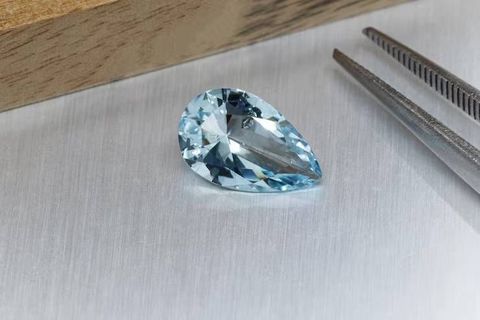
The marquise cut has a long, narrow outline with curved sides and pointed tips. Its shape originated from historical jewelry designs associated with European royal traditions. Modern cutting techniques have made this design available in different proportions, sizes, and facet arrangements.
A marquise diamond typically features 56 to 58 facets, although the precise arrangement can vary according to the cutting style. Its elongated structure can create a visually larger appearance than some other diamond shapes of comparable carat weight.
How Lab-Grown Diamonds Are Created
Two principal technologies are used to produce laboratory-grown diamonds.
Chemical Vapor Deposition (CVD): This process involves placing a diamond seed inside a controlled chamber containing carbon-rich gases. Energy breaks down the gases, allowing carbon atoms to gradually form diamond layers around the seed.
High Pressure High Temperature (HPHT): This method recreates conditions of high pressure and temperature that encourage carbon to crystallize into diamond material.
Both methods can produce gem-quality diamonds. Additional treatments may sometimes be applied to improve particular characteristics, so production methods and treatment information are relevant when examining laboratory documentation.
Differences Between Lab-Grown and Imitation Diamonds
A laboratory-grown diamond is a real diamond, whereas imitation stones are different materials designed to resemble diamonds. Cubic zirconia and moissanite are examples of diamond alternatives with different chemical and optical characteristics.
Understanding this distinction helps readers evaluate product descriptions, gemstone identification documents, and jewelry specifications more accurately.
Importance
Marquise lab-grown diamonds are relevant to modern jewelry design because they combine a distinctive shape with contemporary diamond production methods. Their availability in different carat weights, colors, and clarity characteristics provides additional choices for individuals interested in understanding diamond jewelry.
Who Uses Marquise Diamond Jewelry?
Different groups may have an interest in this diamond shape.
Engagement ring buyers: The elongated design is frequently used in engagement rings, including solitaire and halo settings.
Jewelry designers: The pointed silhouette provides opportunities for creating traditional and contemporary jewelry patterns.
Jewelry collectors: Collectors may examine marquise diamonds for their proportions, cutting precision, and documented characteristics.
Jewelry manufacturers: Laboratory-grown stones provide another material option for producing coordinated jewelry collections.
Understanding the Four Cs
Diamond quality is commonly discussed through four characteristics: cut, color, clarity, and carat weight. These factors help explain the appearance and physical specifications of individual stones.
Cut: Cut quality influences how effectively a diamond interacts with light. For marquise diamonds, symmetry, facet alignment, proportions, and polish contribute to their overall appearance.
Color: Diamond color is generally evaluated through standardized grading systems. Colorless and near-colorless categories are commonly used for white diamond jewelry, while laboratory-grown stones can also be produced in different colors.
Clarity: Clarity describes the presence of internal characteristics, known as inclusions, and external characteristics, known as blemishes. Their number, size, position, and visibility influence the clarity assessment.
Carat: Carat represents the weight of a diamond rather than its physical dimensions. Two marquise diamonds with identical carat weights may have different lengths, widths, and visual appearances.
Common Jewelry Selection Challenges
Marquise diamond selection involves several considerations beyond the four Cs.
Bow-tie appearance: Some elongated diamonds display a dark bow-tie-shaped area across the center. Its visibility depends on the stone's proportions and light performance.
Point protection: The pointed ends can be more exposed to accidental impacts than rounded diamond shapes.
Proportion differences: Diamonds with the same weight can appear different because of variations in length-to-width ratios.
Setting compatibility: The selected mounting must accommodate the diamond's dimensions and protect its pointed ends.
Understanding these factors helps explain why two diamonds with similar specifications may have noticeably different appearances.
Recent Updates
The laboratory-grown diamond sector has experienced continued technological development, changes in grading practices, and increasing attention to product identification. Developments during 2024–2026 have also influenced how diamond quality information is presented to consumers.
Changes in Diamond Grading Practices
Gemological institutions have continued reviewing their approaches to laboratory-grown diamond documentation. One notable development involved the Gemological Institute of America (GIA), which introduced a revised quality assessment system for eligible colorless to near-colorless laboratory-grown diamonds.
Under the updated approach introduced in 2025, eligible stones are classified as either Premium or Standard based on a combination of clarity, color, polish, symmetry, and cut-related characteristics. This represents a change from the traditional natural-diamond grading terminology previously used for laboratory-grown stones.
Advancements in Production Technology
CVD and HPHT technologies continue to support the production of diamonds in different sizes and quality ranges. Improvements in growth control, crystal development, and post-growth treatments have expanded the range of laboratory-grown gemstones available for jewelry manufacturing.
Identification technology has also developed. Specialized gemological instruments can examine growth patterns, internal characteristics, and other features that help distinguish laboratory-grown diamonds from mined stones.
Growing Interest in Distinctive Diamond Cuts
Jewelry designs featuring elongated gemstones remain an established part of the market. Marquise, oval, pear, and emerald cuts are frequently considered in contemporary jewelry collections.
Marquise designs are particularly recognizable because of their pointed ends and elongated outline. Variations in halo settings, side stones, solitaire arrangements, and mixed-metal mountings provide different ways to incorporate this shape into jewelry.
Comparison of Common Diamond Characteristics
| Characteristic | Marquise Diamond | Round Diamond | Oval Diamond |
|---|---|---|---|
| Overall shape | Elongated with pointed ends | Circular | Elongated and rounded |
| Facet arrangement | Varies by cutting style | Brilliant arrangement | Brilliant arrangement |
| Visual appearance | Narrow and elongated | Balanced and symmetrical | Soft and elongated |
| Setting considerations | Requires point protection | Conventional prong settings | Requires suitable side protection |
| Common applications | Rings and pendants | Rings and earrings | Rings and necklaces |
Laws or Policies
Laboratory-grown diamonds are subject to consumer protection, product disclosure, gemstone identification, and jewelry labeling requirements. These rules vary between countries and jurisdictions, making accurate product descriptions an important part of the international jewelry industry.
Laboratory-Grown Diamond Disclosure
Jewelry descriptions should clearly identify whether a diamond is laboratory-grown or naturally mined. Terms such as laboratory-grown and laboratory-created help distinguish manufactured diamonds from stones extracted through mining.
For example, the United States Federal Trade Commission (FTC) Jewelry Guides require clear disclosure of laboratory-created gemstone characteristics. The description should communicate the laboratory origin immediately and conspicuously rather than creating confusion about the stone's identity.
Diamond Certification and Documentation
Independent gemological documentation can provide information about a diamond's identity and characteristics. Depending on the laboratory and report type, documentation may include:
Diamond measurements and carat weight.
Color and clarity assessments.
Cutting, polish, and symmetry information.
Laboratory-grown identification.
Growth method and disclosed post-growth treatments, where applicable.
Organizations such as GIA and the International Gemological Institute (IGI) provide diamond identification and grading-related documentation under their respective assessment systems.
Jewelry Metal Disclosure
The mounting is another important consideration when evaluating marquise diamond jewelry. Gold, platinum, and other jewelry metals may be subject to local purity marking, hallmarking, and labeling requirements.
Applicable regulations can cover metal composition, gemstone descriptions, product weight, and advertising accuracy. Consumers and manufacturers should consider the requirements applicable to their own jurisdiction.
Tools and Resources
Several digital resources and professional tools help individuals understand laboratory-grown diamond characteristics, examine marquise proportions, and review jewelry specifications.
Diamond Grading and Verification Platforms
Gemological laboratory platforms provide documentation-related information and report verification facilities.
GIA Report Check: Helps verify eligible GIA diamond documentation and associated identification details.
IGI Report Verification: Provides access to available report information for diamonds examined by IGI.
Gemological reference guides: Explain diamond grading terminology, growth processes, gemstone identification, and quality characteristics.
Diamond Measurement and Proportion Tools
Measurement tools help explain how a marquise diamond's dimensions influence its overall appearance.
A length-to-width ratio can be calculated by dividing the diamond's length by its width. For example, a diamond measuring 12 mm in length and 6 mm in width has a ratio of 2.00.
This calculation provides a simple way to compare proportions, although personal design preferences and cutting characteristics also influence visual appearance.
Jewelry Design and Comparison Resources
Computer-aided design (CAD) software is widely used in jewelry development. Designers can create digital representations of rings, pendants, and earrings to examine how a marquise diamond fits within a particular mounting.
Other useful resources include:
Diamond specification comparison sheets.
Jewelry metal purity reference charts.
Digital gemstone measurement guides.
Diamond care and maintenance instructions.
Jewelry setting diagrams and CAD models.
These resources help explain the relationship between gemstone dimensions, mounting structure, and overall jewelry design.
FAQs
What Are Marquise Lab-Grown Diamonds?
Marquise lab-grown diamonds are laboratory-created diamonds shaped with an elongated body and two pointed ends. They have essentially the same chemical, optical, and physical properties as natural diamonds.
Are Marquise Lab-Grown Diamonds Real Diamonds?
Yes. They are real diamonds produced through CVD or HPHT technology. Their laboratory origin distinguishes them from naturally mined diamonds and imitation gemstones.
How Is Marquise Diamond Quality Evaluated?
Marquise diamond quality is examined through cut, color, clarity, and carat weight. Proportions, symmetry, polish, and bow-tie visibility are also relevant when evaluating its appearance.
Which Setting Is Suitable for a Marquise Diamond Ring?
Common settings include prong, bezel, halo, and solitaire designs. V-shaped prongs can provide additional protection for the pointed ends, while the final mounting depends on the diamond's dimensions and design requirements.
What Is the Difference Between CVD and HPHT Lab-Grown Diamonds?
CVD diamonds develop through carbon deposition inside a controlled chamber, while HPHT diamonds develop under high pressure and temperature. Both methods can produce genuine diamonds with characteristics suitable for jewelry applications.
Conclusion
Marquise lab-grown diamonds combine an elongated gemstone shape with modern diamond production technologies. Their quality depends on characteristics such as cut, color, clarity, carat weight, proportions, and symmetry. Understanding laboratory identification, grading documentation, jewelry settings, and applicable disclosure rules provides a clearer picture of this diamond category. These factors remain relevant to gemstone education and contemporary jewelry design.