Lariat Necklaces Explained With Popular Styles, Materials, and Design Features
Lariat necklaces are distinctive jewellery pieces known for their open-ended design, adjustable appearance, and decorative hanging elements.
Unlike traditional necklaces that use a fixed clasp at the back, a lariat necklace generally features two loose ends that can be tied, looped, crossed, or threaded through one another. This design creates a flexible appearance that can be adapted to different outfits and necklines.
Lariat-style jewellery has connections to decorative cords, ropes, and traditional jewellery designs from different cultures. The term lariat is also associated with a rope used for catching livestock, which helps explain the necklace's looped and adjustable structure. Over time, jewellery designers adapted this shape using precious metals, beads, gemstones, pearls, and decorative chains.
Today, lariat necklaces are available in simple everyday designs as well as detailed decorative styles. Their adaptable structure makes them suitable for casual clothing, formal outfits, traditional dresses, and layered jewellery arrangements.
What Is a Lariat Necklace?
A lariat necklace is an open-ended necklace that usually does not have a conventional clasp. Instead, it uses a loop, sliding element, knot, or decorative centrepiece to hold the necklace in position.
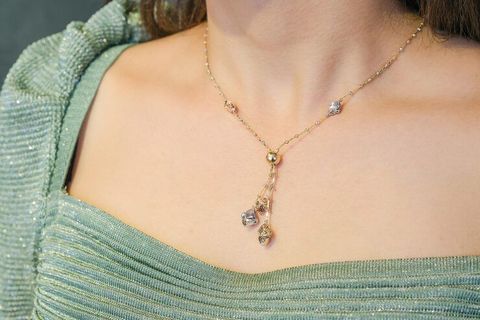
Some designs feature a long chain with two decorative ends, while others include a central ring through which one end passes. The hanging elements may contain pearls, gemstones, metal charms, tassels, or other ornaments.
Common design characteristics include:
Open-ended construction without a standard back clasp.
Adjustable length through tying, looping, or sliding.
Decorative drops or pendants at the ends.
Long, flexible chains or cords.
Different arrangements for creating individual styling patterns.
How Lariat Necklaces Developed
The design concept behind lariat necklaces is connected to the wider history of cord-based and ornamental jewellery. Decorative cords, chains, and knotted ornaments have appeared in jewellery traditions across different regions and historical periods.
Modern lariat necklaces developed into a recognisable jewellery category through the use of flexible chain arrangements and decorative hanging elements. Contemporary designs combine traditional knot-inspired shapes with modern materials, minimalist metalwork, and gemstone decoration.
Importance of Lariat Necklaces in Modern Jewellery
Lariat necklaces are relevant in modern jewellery because they provide styling flexibility and a distinctive alternative to conventional pendant necklaces. Their adjustable construction allows wearers to change the position of the decorative elements according to their clothing and preferred appearance.
They are also used in different jewellery settings, from everyday fashion accessories to formal and occasion-based jewellery. Their design can be simple and understated or detailed with pearls, crystals, and precious metals.
Why Lariat Necklace Designs Are Popular
Several design features contribute to the continued use of lariat necklaces in contemporary fashion.
Adjustable styling: The open-ended structure allows different loops, knots, and hanging arrangements.
Versatile appearance: Long lariat necklaces can complement V-neck, scoop-neck, and high-neck clothing.
Layering flexibility: Their extended shape makes them suitable for combining with shorter necklaces.
Decorative variety: Designers can incorporate beads, pearls, gemstones, and metal elements.
Different occasions: Simple versions can be worn casually, while detailed designs can complement formal outfits.
Who Uses Lariat Necklaces?
Lariat necklaces are worn by people with different fashion preferences and jewellery interests. Minimalist designs appeal to those who prefer simple accessories, while gemstone and pearl variations suit more decorative styles.
They are also used in occasion-based styling, including weddings, celebrations, evening events, and traditional gatherings. The choice of necklace depends on personal preference, clothing design, material, and the intended appearance.
Popular Lariat Necklace Styles
Lariat necklaces come in several forms, each offering a different visual effect and wearing arrangement.
Classic Chain Lariat: This design uses a long metal chain with decorative ends. The wearer can cross, loop, or adjust the chain to create different shapes.
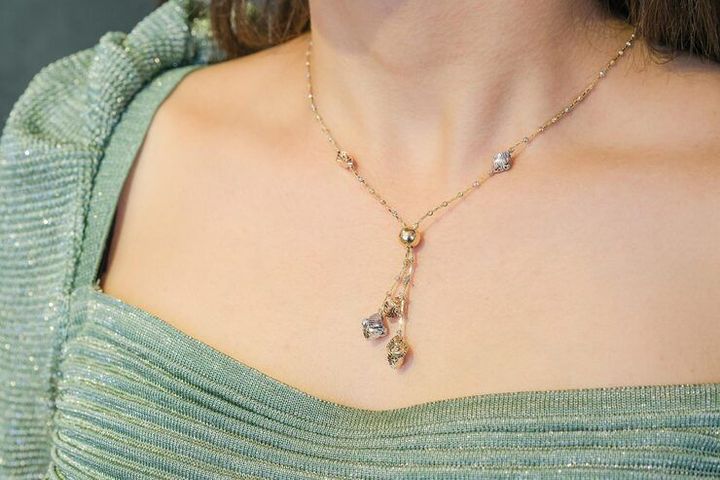
Y-Necklace Lariat: This style creates a Y-shaped appearance, with a central section extending downward into a hanging chain or pendant. It is commonly paired with open necklines.
Pearl Lariat Necklace: Small or large pearls are incorporated into the chain or placed at its hanging ends. These designs are often used with formal clothing and occasion wear.
Gemstone Lariat: This variation includes decorative stones such as quartz, amethyst, or other ornamental gemstones. The stones may appear as single drops or repeated decorative elements.
Minimalist Lariat: Simple metal chains with small end pieces create an understated appearance. These designs are commonly associated with everyday jewellery.
Tassel Lariat: Decorative tassels made from metal links, threads, beads, or chains hang from the ends. This style creates additional movement and texture.
Recent Developments in Lariat Necklace Designs
Lariat necklace designs continue to evolve through changing fashion preferences, material combinations, and jewellery-making techniques. Current trends across 2024–2026 show interest in adaptable jewellery, mixed materials, personalised details, and lightweight designs.
Minimalist and Adjustable Jewellery
Minimalist lariat necklaces remain part of contemporary jewellery styling. Thin chains, small metal drops, and simple geometric elements create designs that can be worn with different clothing styles.
Adjustable structures are also receiving attention because they allow one necklace to be arranged in several ways. Sliding loops and flexible chain configurations make it easier to change the length and position of decorative elements.
Mixed Materials and Textures
Jewellery designers are combining different materials to create varied visual effects. Common combinations include gold-tone metal with pearls, silver-coloured chains with gemstones, and metal elements with textile cords.
These combinations introduce differences in colour, surface texture, and weight. They also allow lariat necklaces to complement different fashion preferences.
Personalised and Decorative Details
Initial charms, birthstone-inspired elements, small pendants, and symbolic ornaments are appearing in contemporary necklace designs. Personalised features allow jewellery to reflect individual preferences without changing the basic lariat structure.
Some designs also use asymmetrical drops, irregular pearls, and natural-looking gemstones to create distinctive arrangements.
Sustainable Jewellery Materials
Environmental awareness has encouraged interest in recycled metals, responsibly sourced gemstones, and materials with documented origins. However, sourcing practices vary between manufacturers, and material claims should be understood according to the available product documentation.
Laws and Policies Affecting Jewellery in India
Jewellery materials and trading practices in India are influenced by consumer protection rules, precious metal standards, hallmarking requirements, and import regulations. These policies are relevant to lariat necklaces made with gold, silver, gemstones, and other regulated materials.
BIS Hallmarking Requirements
The Bureau of Indian Standards (BIS) operates India's hallmarking framework for applicable precious metal jewellery. Hallmarking helps identify the purity of gold and silver articles covered by relevant standards and regulations.
For applicable gold jewellery, consumers may encounter the following information:
BIS logo identifying the hallmarking system.
Purity or fineness grade.
Hallmarking Identification Number (HUID), where applicable.
The requirements depend on the metal, product category, and current regulatory notifications. Not every fashion necklace or imitation jewellery piece falls under precious metal hallmarking requirements.
Consumer Protection Regulations
The Consumer Protection Act, 2019, establishes a framework for protecting consumers against misleading representations and unfair trade practices. Jewellery descriptions should accurately represent material composition, purity, gemstone characteristics, and other relevant product information.
For example, gold-plated jewellery should not be represented as solid gold. Similarly, synthetic, imitation, and natural gemstones should be described accurately.
Import and Precious Metal Regulations
Jewellery imports and precious metal transactions may be subject to customs rules, applicable tax requirements, and other government regulations. Businesses involved in jewellery manufacturing or distribution must consider the requirements relevant to their activities.
Tools and Resources for Understanding Lariat Necklaces
Several tools and resources help people understand necklace dimensions, material characteristics, styling arrangements, and jewellery specifications.
Necklace Length Guides
Necklace length guides help explain how different chain lengths sit around the neck and chest. They are useful when comparing short chains, medium-length necklaces, and longer lariat designs.
Common measurement considerations include:
Total chain length.
Length of the hanging section.
Position of the loop or sliding component.
Size and weight of decorative end pieces.
Intended neckline and clothing style.
Jewellery Material Guides
Material guides explain the differences between gold, sterling silver, stainless steel, plated metals, pearls, and gemstones. They can help readers understand durability, maintenance requirements, colour changes, and material composition.
For precious metal jewellery in India, BIS information provides details about applicable hallmarking requirements and purity identification.
Digital Jewellery Design Tools
CAD software is used by jewellery designers to develop necklace structures, pendant arrangements, chain configurations, and decorative components. Three-dimensional design tools can help visualise how different elements fit together before physical production.
Digital drawing and jewellery design applications can also help create custom lariat patterns and compare different proportions.
Jewellery Care Resources
Care guides provide information about cleaning, storage, and handling different jewellery materials. For example, pearls generally require gentler handling than many metal chains, while plated jewellery may need protection from moisture and abrasive cleaning products.
Frequently Asked Questions About Lariat Necklaces
What Is a Lariat Necklace and How Does It Work?
A lariat necklace is an open-ended necklace that generally does not use a traditional clasp. Its ends can be crossed, looped, tied, or passed through a central ring to create an adjustable arrangement.
What Are the Most Popular Types of Lariat Necklaces?
Popular styles include classic chain lariats, Y-necklaces, pearl lariats, gemstone designs, minimalist chains, and tassel necklaces. Each style uses different decorative elements and arrangements.
How Do You Wear a Lariat Necklace?
A lariat necklace can be worn by crossing its ends, creating a loop, passing one end through another, or allowing both ends to hang naturally. The arrangement depends on the necklace design and clothing neckline.
Which Materials Are Used in Lariat Necklaces?
Common materials include gold, sterling silver, stainless steel, plated metals, pearls, gemstones, beads, and decorative cords. Material selection influences the necklace's appearance, weight, durability, and maintenance requirements.
What Is the Difference Between a Lariat Necklace and a Regular Pendant Necklace?
A regular pendant necklace generally has a closed chain with a clasp and a pendant attached to the centre. A lariat necklace usually has an open-ended structure with adjustable loops or hanging ends, creating more flexibility in how it is worn.
Conclusion
Lariat necklaces are distinctive jewellery pieces recognised for their open-ended construction, adjustable styling, and decorative hanging elements. Popular variations include chain, pearl, gemstone, minimalist, tassel, and Y-shaped designs. Their materials range from precious metals to beads, pearls, and textile cords, allowing different appearances and uses. Modern designs reflect changing preferences for versatile styling, mixed materials, and personalised details.