Ear Piercings Explained With Placement, Healing Time, and Jewelry Choices
Ear piercings are a form of body modification in which a small opening is created in the ear to accommodate decorative jewelry. They have existed across different cultures for centuries and are associated with personal expression, cultural traditions, fashion, and social identity.
Today, ear piercings include several placement options, ranging from traditional earlobe piercings to cartilage piercings along the upper and inner ear.
The location of an ear piercing influences its appearance, healing period, jewelry requirements, and aftercare routine. Some piercings pass through soft tissue, while others involve cartilage, which generally takes longer to heal because it has a different blood supply.
Understanding ear piercing placement, healing time, jewelry materials, and hygiene practices helps people make informed decisions and recognise potential complications.
What Are the Different Types of Ear Piercings?
Ear piercings are generally classified according to the part of the ear where the opening is created. Each placement has a distinct appearance and requires jewelry designed for that particular area.
Common ear piercing types include:
Lobe piercing: Located in the soft lower part of the ear. It is a common starting point because the tissue is relatively soft and generally heals faster than cartilage.
Upper lobe piercing: Positioned higher on the earlobe, allowing multiple jewelry arrangements.
Helix piercing: Located along the upper outer cartilage of the ear. It is commonly worn with small hoops or studs.
Forward helix piercing: Placed on the front upper cartilage near where the ear meets the head.
Tragus piercing: Located on the small cartilage flap in front of the ear canal.
Conch piercing: Positioned in the central bowl-shaped area of the ear cartilage. Jewelry may include studs or specially fitted hoops.
Daith piercing: Located through the innermost cartilage fold above the ear canal.
Rook piercing: Placed through the raised cartilage fold above the conch area.
Industrial piercing: Connects two cartilage openings with one longer barbell, usually across the upper ear.
Understanding Ear Piercing Placement
Placement affects the appearance of jewelry and the amount of pressure or movement experienced during everyday activities. For example, an earlobe piercing may experience less pressure from headphones than certain inner cartilage piercings.
Ear anatomy also differs between individuals. Not every ear has the same cartilage folds, tissue thickness, or available space for particular piercing styles.
A qualified piercer generally evaluates the ear's anatomy before determining whether a particular placement is suitable.
Ear Piercing Healing Time
Healing time depends on the piercing location, individual health factors, jewelry material, and aftercare practices. Earlobe piercings generally heal faster than cartilage piercings.
The following table provides approximate healing ranges.
| Ear Piercing Type | Typical Healing Time |
|---|---|
| Standard lobe | 6–8 weeks |
| Upper lobe | 8–12 weeks |
| Helix | 6–12 months |
| Forward helix | 6–12 months |
| Tragus | 6–12 months |
| Conch | 6–12 months |
| Daith | 6–12 months |
| Rook | 6–12 months |
| Industrial | 6–12 months or longer |
These periods are estimates rather than fixed timelines. A piercing may appear healed externally while the internal tissue is still recovering.
Importance of Understanding Ear Piercings
Understanding ear piercing types and aftercare is important because piercing involves creating an opening in body tissue. Poor hygiene, unsuitable jewelry, excessive pressure, or premature jewelry changes can increase the possibility of irritation and infection.
This information is relevant to people considering their first piercing as well as those planning multiple ear piercings. Knowing the differences between soft-tissue and cartilage placements can help set realistic expectations about healing and daily care.
Health and Hygiene Considerations
A piercing should be performed using appropriate hygiene practices and sterile, single-use needles. Reusable equipment must be properly sterilised according to applicable standards.
Important hygiene considerations include:
Clean hands before touching the piercing.
Use sterile saline wound-care products when appropriate.
Avoid unnecessary touching, twisting, or moving of jewelry.
Keep hair products, cosmetics, and other potential irritants away from the piercing.
Avoid sleeping directly on a healing cartilage piercing.
Follow the piercer's instructions for cleaning and monitoring the area.
Alcohol, hydrogen peroxide, and harsh cleaning products may irritate healing tissue and should not be used routinely unless specifically directed by a healthcare professional.
Possible Ear Piercing Complications
Although many piercings heal without major problems, complications can occur. Common concerns include irritation, allergic reactions, infection, swelling, and abnormal scar formation.
Some warning signs include:
Increasing redness or warmth around the piercing.
Persistent or worsening pain.
Significant swelling.
Thick discharge or an unpleasant smell.
Fever or spreading redness.
Cartilage infections require particular attention because they can sometimes cause more serious tissue damage. Medical assessment is important if infection is suspected. Jewelry should not be removed from a potentially infected piercing without medical guidance.
Recent Trends in Ear Piercing and Jewelry Choices
Ear piercing trends continue to evolve through changing fashion preferences, jewelry designs, and greater attention to hygiene and material safety. Current developments across 2024–2026 reflect interest in personalised ear arrangements, multiple piercings, minimalist jewelry, and improved awareness of healing requirements.
Curated Ear Piercing Arrangements
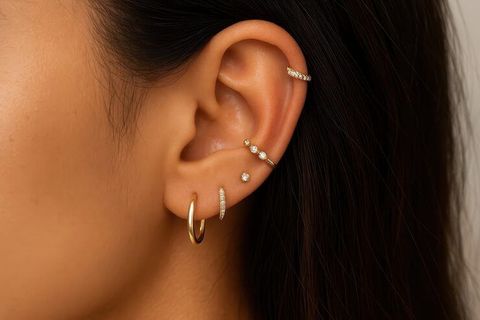
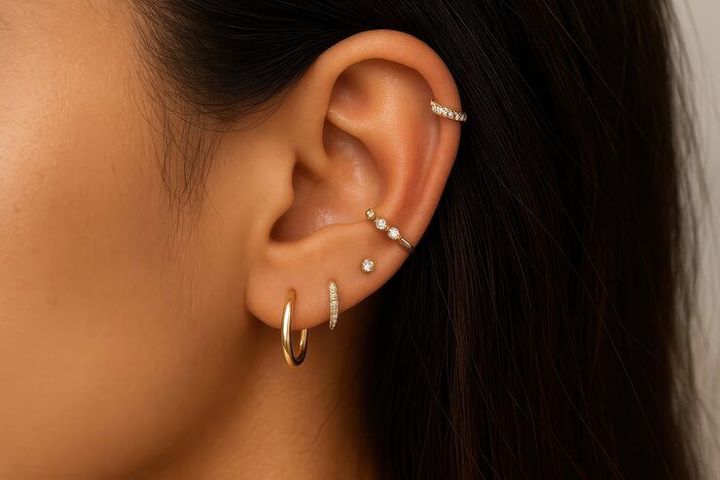
Curated ear styling involves combining different piercing placements to create an arrangement that suits the shape of the ear. For example, a person may combine lobe, helix, and conch piercings using different jewelry sizes and designs.
These arrangements are often planned around spacing, symmetry, and the natural structure of the ear. Healing requirements remain important when multiple piercings are considered.
Minimalist and Lightweight Jewelry
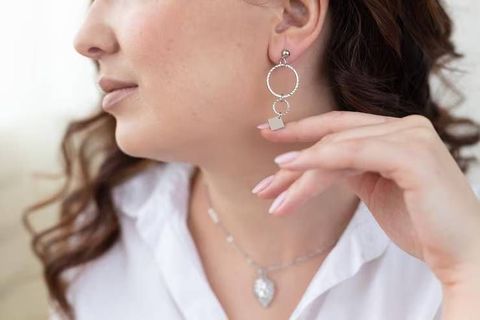
Small studs, delicate hoops, and simple geometric designs remain common jewelry choices. Lightweight pieces can be more comfortable for everyday use, particularly when appropriately fitted to the piercing location.
However, jewelry weight and shape should be considered alongside material quality and the stage of healing.
Greater Attention to Jewelry Materials
Awareness of metal sensitivity and nickel allergies has increased interest in materials such as implant-grade titanium and suitable solid gold jewelry.
For initial piercings, material selection should consider biocompatibility, surface finish, and the jewellery manufacturer's specifications. Plated jewelry and unknown metal mixtures may contain substances that irritate sensitive skin.
Improved Piercing Hygiene Awareness
There is also greater public attention to sterile equipment, professional training, and appropriate aftercare. People increasingly recognise that cartilage piercings require patience and that changing jewelry too early can interfere with healing.
Laws and Policies Affecting Ear Piercing in India
Ear piercing in India is influenced by general public health considerations, consumer protection principles, local business regulations, and applicable hygiene requirements. The specific rules governing piercing establishments can vary between states and local authorities.
Hygiene and Public Health Considerations
A piercing involves contact with body tissue, so cleanliness and infection prevention are important. Establishments should maintain appropriate sanitation arrangements and use sterile equipment.
Important precautions include:
Using a new, sterile, single-use piercing needle.
Avoiding the reuse of disposable equipment.
Properly sterilising reusable instruments.
Maintaining clean work surfaces.
Using suitable gloves and hygiene practices.
Providing clear aftercare information.
Consumer Protection and Professional Responsibility
India's Consumer Protection Act, 2019, provides a general framework for consumer rights and protection against unfair practices. Applicable responsibilities may depend on the nature of the establishment and the circumstances of the transaction.
People should receive clear information about the piercing procedure, jewelry material, hygiene practices, and possible risks before undergoing the procedure.
Age and Consent Considerations
Requirements concerning minors, parental consent, and establishment policies may vary. People should check the applicable local requirements and the establishment's consent procedures before arranging a piercing for someone under 18.
Tools and Resources for Ear Piercing Care
Several practical resources can help people understand ear anatomy, select suitable jewelry, and monitor the healing process.
Ear Piercing Placement Guides
Anatomical diagrams and placement guides help explain the differences between lobe and cartilage piercings. They can also help people understand the available space for different jewelry arrangements.
However, online diagrams cannot replace an individual assessment of ear anatomy by a qualified piercer.
Jewelry Material Guides
Material information helps people understand which metals may be suitable for healing piercings. Common options include:
Implant-grade titanium: Commonly used for initial piercing jewelry because of its suitability for many people with metal sensitivities.
Niobium: A metal used in body jewelry that may be suitable for people sensitive to certain other metals.
Solid 14-karat or 18-karat gold: May be suitable when it is nickel-free and has an appropriate finish.
Implant-grade steel: May be suitable for some people, depending on its specifications and individual metal sensitivities.
Healing and Aftercare Trackers
A simple digital or written tracker can help record cleaning routines, swelling, tenderness, and jewelry changes. Recording symptoms may also help people explain changes to a healthcare professional.
Professional Health Resources
Healthcare professionals can assess suspected infections, allergic reactions, and unusual swelling. A qualified piercer can provide information about jewelry fitting, placement, and routine piercing care.
Frequently Asked Questions About Ear Piercings
How Long Do Ear Piercings Take to Heal?
Standard earlobe piercings generally take around 6–8 weeks to heal. Cartilage piercings, including helix, tragus, and conch placements, may take 6–12 months or longer. Healing varies between individuals.
Which Ear Piercing Placement Takes the Longest to Heal?
Cartilage piercings generally take longer to heal than earlobe piercings. Industrial piercings may require particularly careful aftercare because two cartilage openings are connected by one piece of jewelry.
What Jewelry Is Suitable for New Ear Piercings?
Initial piercing jewelry commonly uses implant-grade titanium, suitable niobium, or appropriately specified solid gold. Jewelry should have a smooth finish, suitable dimensions, and a design that allows room for initial swelling.
Can You Change Ear Piercing Jewelry During Healing?
Changing jewelry before a piercing has fully healed can irritate the tissue and delay recovery. Initial jewelry should generally remain in place until healing is complete, unless a qualified professional or healthcare provider advises a change.
How Can You Identify an Infected Ear Piercing?
Increasing pain, warmth, redness, swelling, unusual discharge, and fever may indicate infection. Cartilage infections can be more serious, so suspected infections should receive prompt medical assessment.
Conclusion
Ear piercings include several placement options, from traditional lobe piercings to different cartilage styles. Each placement has its own healing period, jewelry requirements, and aftercare considerations. Understanding hygiene, suitable materials, and possible complications is important for maintaining piercing health. Jewelry selection and placement should take individual ear anatomy and healing progress into account.