Industrial Manufacturing Projects Guide: Design, Development, Execution and Quality Control
An Industrial Manufacturing Projects Guide explains how manufacturing facilities, production lines, machinery installations, and industrial processes move from an initial idea to an operating system. These projects combine planning, engineering, equipment selection, construction, installation, testing, and quality control. They may involve a small production unit, a factory expansion, or the development of an entirely new industrial facility.
Context
An Industrial Manufacturing Projects Guide explains how manufacturing facilities, production lines, machinery installations, and industrial processes move from an initial idea to an operating system. These projects combine planning, engineering, equipment selection, construction, installation, testing, and quality control. They may involve a small production unit, a factory expansion, or the development of an entirely new industrial facility.
Industrial manufacturing has evolved alongside advances in mechanical engineering, electrical systems, materials science, and automation. Earlier factories relied heavily on manual operations and mechanical equipment, while modern facilities increasingly integrate programmable controls, robotics, sensors, and computer-based production monitoring. Despite these changes, successful project execution still depends on clear objectives, coordinated teams, appropriate equipment, and reliable quality procedures.
Main Types of Industrial Manufacturing Projects
Industrial projects differ according to their purpose, scale, and production requirements. Common examples include:
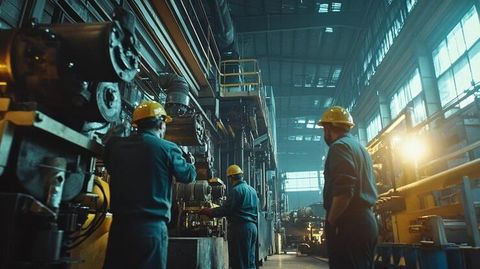
Factory development: Planning and constructing a new manufacturing facility with suitable utilities, production areas, and storage.
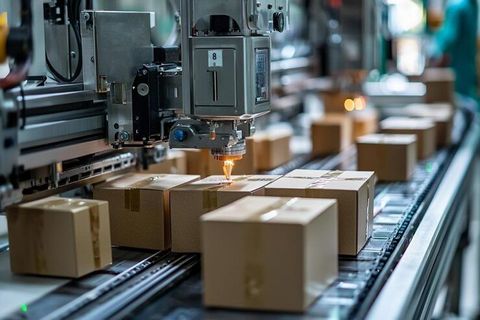
Production line installation: Arranging machinery and material-handling systems to support a defined manufacturing process.
Equipment modernization: Replacing or upgrading older machinery, controls, motors, and electrical systems.
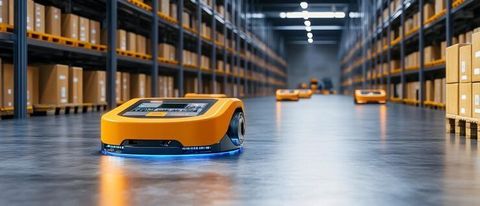
Industrial automation: Introducing sensors, programmable logic controllers, robotics, and automated inspection equipment.
Process improvement: Adjusting production methods to reduce defects, delays, material waste, or unnecessary movement.
Facility expansion: Increasing production capacity by modifying existing buildings, utilities, or manufacturing equipment.
Each project requires a different combination of technical knowledge, planning, funding, and regulatory review. The project scope establishes which activities, equipment, and results are included.
Importance
Industrial manufacturing projects affect businesses, workers, suppliers, and communities. They influence how everyday products, construction materials, vehicles, electronics, food products, and industrial components are produced. Careful planning helps coordinate equipment, people, materials, and production requirements while reducing avoidable disruption.
Poorly managed projects can experience installation delays, equipment incompatibility, unexpected design changes, safety incidents, and inconsistent product quality. These difficulties may arise when requirements are unclear, suppliers work from different specifications, or testing begins before installation is complete. A structured project approach helps identify such issues earlier.
Key Factors in Manufacturing Project Planning
Several factors shape project development and execution:
Project scope: Defines the production goals, equipment, facility requirements, and expected deliverables.
Technical design: Establishes machinery layouts, electrical connections, control systems, utilities, and material flow.
Resource planning: Coordinates personnel, components, equipment availability, and project funding.
Workplace safety: Identifies machinery hazards, electrical risks, chemical exposure, and movement of materials.
Quality control: Defines inspection methods, acceptance criteria, testing procedures, and documentation.
Maintenance planning: Establishes inspection schedules, replacement parts, and procedures for equipment upkeep.
Communication is important throughout the project. Engineers, production managers, equipment manufacturers, contractors, quality personnel, and operators need consistent specifications and clear responsibilities.
Main Stages of an Industrial Manufacturing Project
The following table summarizes a typical project lifecycle.
| Project stage | Main activities | Expected output |
|---|---|---|
| Feasibility | Assess production needs and technical requirements | Feasibility assessment |
| Design | Develop layouts, drawings, and specifications | Approved design documents |
| Development | Prepare equipment, components, and control systems | Installation-ready systems |
| Execution | Construct, install, connect, and integrate equipment | Completed installation |
| Testing | Inspect, calibrate, and verify operation | Test records and identified issues |
| Commissioning | Check system readiness and operational performance | Authorization for operation |
| Quality monitoring | Review production results and correct defects | Ongoing quality records |
The stages may overlap depending on project complexity. Changes to the design or equipment can require additional inspections, updated documentation, and repeated tests before production begins.
Recent Updates
Industrial manufacturing projects have increasingly incorporated digital engineering, connected equipment, automation, and energy-efficiency planning. Developments from 2024 through 2026 reflect a broader movement toward integrating production technology with data analysis and more flexible manufacturing systems. Adoption varies according to industry, project size, technical requirements, and available infrastructure.
Digital Design and Smart Manufacturing
Computer-aided design tools allow engineers to create and revise machine components, factory layouts, and technical drawings before physical installation. Three-dimensional models can help project teams identify space limitations, access problems, and potential conflicts between equipment.
Digital twins extend this approach by creating digital representations of physical assets or processes. When connected to appropriate operational data, these models can help engineers examine performance, evaluate changes, and investigate possible problems. Their usefulness depends on model accuracy, data quality, and how closely the digital representation matches the actual facility.
Industrial Internet of Things technology connects sensors, machines, and monitoring systems. Data about temperature, vibration, production speed, and energy consumption can help teams identify unusual operating conditions. However, connected systems also introduce cybersecurity requirements, including access controls, network protection, software updates, and recovery planning.
Artificial Intelligence and Energy Efficiency
Artificial intelligence is being explored for visual inspection, equipment fault detection, production scheduling, and predictive maintenance. These applications can assist workers in identifying patterns, but results depend on reliable data, suitable models, and appropriate human oversight. Automated findings may require verification before decisions affect safety or product acceptance.
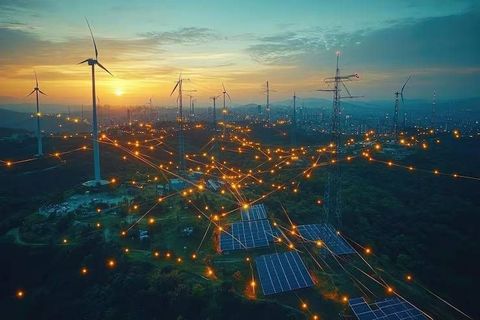
Energy efficiency has also become an important consideration in factory development. Project teams may assess efficient motors, variable-frequency drives, heat recovery, compressed-air systems, insulation, and electricity monitoring. The appropriate measures depend on the production process, operating conditions, and existing equipment.
Laws or Policies
Industrial manufacturing projects must comply with applicable laws, technical standards, permits, and environmental requirements. The precise obligations depend on the industry, factory location, machinery, workforce, and nature of the project. A facility handling food, chemicals, electrical equipment, or heavy machinery may face different requirements.
Industrial Project Regulations in India
In India, manufacturing facilities may need to comply with applicable factory safety and labour legislation, building rules, fire safety requirements, electrical regulations, and state-specific approvals. The Occupational Safety, Health and Working Conditions Code, 2020, is part of India's labour-code framework; its applicability depends on commencement provisions and other relevant legal requirements in force.
Environmental requirements may involve approvals or consents under applicable air pollution, water pollution, waste-management, and environmental legislation. Depending on the activity and location, project developers may need permissions from the relevant State Pollution Control Board or Pollution Control Committee. Environmental clearance may also be required for specified projects under applicable rules.
The Bureau of Indian Standards develops Indian Standards for numerous industrial products, materials, and processes. Whether a particular standard is voluntary or mandatory depends on the applicable legislation, quality-control order, certification requirement, or other governing instrument.
Machinery Safety and Quality Requirements
Machinery installation requires attention to guarding, emergency stops, electrical isolation, operating instructions, and safe access for inspection and maintenance. Relevant technical standards can help project teams define safety measures, inspection procedures, and equipment performance requirements.
Quality management systems are often structured around ISO 9001, which sets out requirements for a quality management system. Environmental management may use ISO 14001, while ISO 45001 addresses occupational health and safety management systems. Certification or implementation is not automatically mandatory for every facility; requirements depend on the applicable regulations, contracts, and organizational objectives.
Before construction or installation begins, project teams generally establish which permits, inspections, standards, and technical approvals apply. Regulatory requirements can change, so current official guidance should be checked for the relevant location and industry.
Tools and Resources
Industrial manufacturing projects use a combination of engineering software, project management systems, inspection instruments, and technical references. The appropriate tools depend on the project stage and the complexity of the equipment.
Engineering and Project Management Software
Computer-aided design platforms such as AutoCAD and Autodesk Inventor are used for technical drawings, component design, and equipment layouts. Building information modelling tools may help coordinate structural, mechanical, and electrical elements in complex facilities.
Project management platforms can organize schedules, responsibilities, dependencies, document revisions, and progress reports. A project schedule commonly identifies major milestones such as design approval, equipment delivery, installation completion, testing, and commissioning.
Manufacturing execution systems can help monitor production activities, material usage, work orders, and process performance. Their integration with enterprise resource planning systems can connect factory operations with inventory, purchasing, and broader business planning.
Quality Control and Testing Resources
Quality control relies on documented procedures and appropriate measurement equipment. Common tools include calibrated measuring instruments, torque tools, temperature sensors, vibration analysers, electrical testers, and inspection gauges.
A manufacturing project quality plan may include:
Approved technical specifications and drawings.
Incoming material inspection records.
Installation and equipment alignment checklists.
Calibration and measurement records.
Functional and performance test procedures.
Nonconformance reports and corrective actions.
Final acceptance documentation and maintenance instructions.
The International Organization for Standardization publishes information about quality and management standards. India's Ministry of Environment, Forest and Climate Change and the relevant State Pollution Control Board provide regulatory information for environmental requirements. The Directorate General Factory Advice Service and Labour Institutes has also published occupational safety and factory-related guidance.
FAQs
What are the main stages of an industrial manufacturing project?
The main stages are feasibility assessment, design, development, execution, testing, commissioning, and ongoing quality monitoring. The exact sequence varies according to project complexity and regulatory requirements.
How does quality control work in industrial manufacturing projects?
Quality control involves checking materials, equipment, production processes, and finished outputs against documented specifications. Inspections, calibrated instruments, functional tests, and corrective-action records help identify and address deviations.
Which technologies are used in modern manufacturing project development?
Common technologies include computer-aided design, robotics, programmable logic controllers, industrial sensors, digital twins, and manufacturing execution systems. Their use depends on the production requirements and the facility's technical capabilities.
What regulations apply to industrial manufacturing projects in India?
Applicable requirements may cover factory safety, labour, building approvals, electrical installations, environmental protection, and product standards. The exact rules depend on the project's location, activities, equipment, and current legal provisions.
What tools help manage industrial manufacturing project execution?
Project scheduling software, engineering design platforms, inspection instruments, document-control systems, and quality management tools help coordinate work. A project-specific plan defines how these tools support design reviews, installation, testing, and final acceptance.
Conclusion
Industrial manufacturing projects bring together design, equipment development, installation, testing, and quality control within a coordinated process. Digital engineering, automation, connected sensors, and energy-efficiency measures are increasingly relevant to modern project planning. Compliance with applicable safety, environmental, and technical requirements remains essential throughout development and execution. Clear specifications, documented inspections, and systematic testing provide a structured basis for evaluating project readiness and manufacturing performance.