Hydraulic System Condition Monitoring Guide: Technologies, Equipment and Performance Indicators
A Hydraulic System Condition Monitoring Guide explains how technologies, equipment, and performance indicators are used to assess the operating condition of hydraulic systems. These systems use pressurized fluids to transmit power and control movement in machinery. They are widely used in manufacturing plants, construction equipment, agricultural machinery, industrial presses, lifting systems, and material-handling equipment.
Context
A Hydraulic System Condition Monitoring Guide explains how technologies, equipment, and performance indicators are used to assess the operating condition of hydraulic systems. These systems use pressurized fluids to transmit power and control movement in machinery. They are widely used in manufacturing plants, construction equipment, agricultural machinery, industrial presses, lifting systems, and material-handling equipment.
Hydraulic system condition monitoring developed from routine inspections and scheduled maintenance practices. As industrial machinery became more complex, operators increasingly needed ways to identify changes in fluid condition, pressure, temperature, vibration, and component performance while equipment was operating. Modern monitoring methods combine physical inspections, measurement instruments, electronic sensors, and data analysis to help assess system health.
Understanding Hydraulic System Condition Monitoring
A hydraulic system typically includes a pump, reservoir, fluid, valves, actuators, filters, pipes, and connecting components. The pump moves hydraulic fluid, valves control its direction and pressure, and cylinders or motors convert hydraulic energy into mechanical movement.
Condition monitoring involves collecting and reviewing information about these components during operation. For example, an unexpected increase in fluid temperature may indicate excessive friction, restricted flow, unsuitable fluid properties, or another operating issue. The measurement alone does not identify the exact cause, but it can indicate that further inspection is necessary.
Main Monitoring Technologies
Different monitoring technologies measure different aspects of hydraulic system performance.
Pressure monitoring: Measures fluid pressure at selected points to identify unusual pressure changes or fluctuations.
Temperature monitoring: Tracks fluid and component temperatures to identify abnormal heating.
Fluid condition analysis: Examines contamination, viscosity, water content, and other properties that influence hydraulic performance.
Vibration monitoring: Measures mechanical vibration that may be associated with pump wear, misalignment, cavitation, or other faults.
Flow monitoring: Measures the volume of fluid moving through a circuit over a specified period.
Electronic condition monitoring: Uses connected sensors and data acquisition equipment to collect measurements for analysis.
The choice of technology depends on the machine, operating environment, system design, and type of failure being investigated.
Importance
Hydraulic system condition monitoring matters because hydraulic equipment often operates under high pressure, heavy loads, changing temperatures, and repeated movement. Problems involving fluid contamination, leaks, worn components, or unstable pressure can affect production, equipment reliability, and workplace safety.
Monitoring is relevant to machine operators, maintenance technicians, plant engineers, equipment manufacturers, and industrial facility managers. It can help identify unusual operating patterns before they develop into more serious problems, although monitoring cannot identify every fault or prevent every equipment failure.
Common Problems Detected Through Monitoring
Several operating conditions can affect hydraulic system performance:
Fluid contamination: Dust, metal particles, water, or other contaminants can damage components and restrict movement.
Excessive temperature: Overheating may result from high operating loads, restricted cooling, internal leakage, or unsuitable fluid conditions.
Pressure irregularities: Unexpected pressure changes can indicate valve problems, pump issues, leakage, or changes in the load.
Pump wear: Internal wear can reduce flow efficiency and affect the system's ability to maintain operating conditions.
Air in the fluid: Entrained air may cause noisy operation, irregular movement, and reduced hydraulic response.
Filter restriction: A clogged filter can increase pressure differences across the filter and interfere with fluid circulation, depending on system design.
A single measurement rarely provides a complete diagnosis. Comparing readings with operating specifications, historical data, and measurements from other parts of the system provides more useful context.
Key Hydraulic System Performance Indicators
Performance indicators help describe whether a hydraulic system is operating within its intended range. Reference values should come from equipment documentation, engineering specifications, and established operating limits.
| Performance indicator | What it measures | Possible warning signs |
|---|---|---|
| Operating pressure | Pressure within the hydraulic circuit | Unexpected fluctuations or deviation from specifications |
| Fluid temperature | Heat level of the hydraulic fluid | Persistent readings above the permitted range |
| Flow rate | Fluid volume moving through the circuit | Reduced or inconsistent flow |
| Fluid cleanliness | Presence of particles and contamination | Particle levels above the specified limit |
| Fluid viscosity | Resistance of fluid to flow | Properties outside the required operating range |
| Vibration level | Mechanical oscillation of components | Changes from the established baseline |
| Filter differential pressure | Pressure difference across a filter | Increasing restriction or a specified change indicator |
| Leakage rate | Fluid escaping from components or connections | Visible leakage or unexplained fluid loss |
These indicators should be interpreted together where appropriate. For instance, reduced flow combined with unusual pump noise and elevated temperature may provide more information than any one measurement considered separately.
Recent Updates
Hydraulic system condition monitoring has increasingly incorporated digital sensors, connected equipment, automated alerts, and data analysis. Across industrial applications from 2024 through 2026, the broader direction has been toward combining conventional inspections with continuous or periodic electronic measurements. Actual adoption varies according to equipment age, operating requirements, available infrastructure, and maintenance practices.
Connected Sensors and Real-Time Monitoring
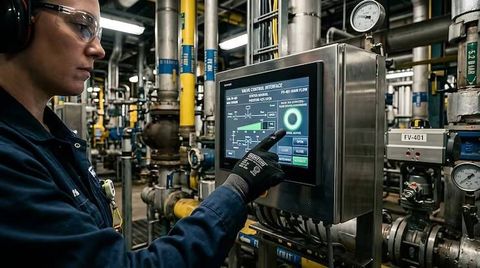
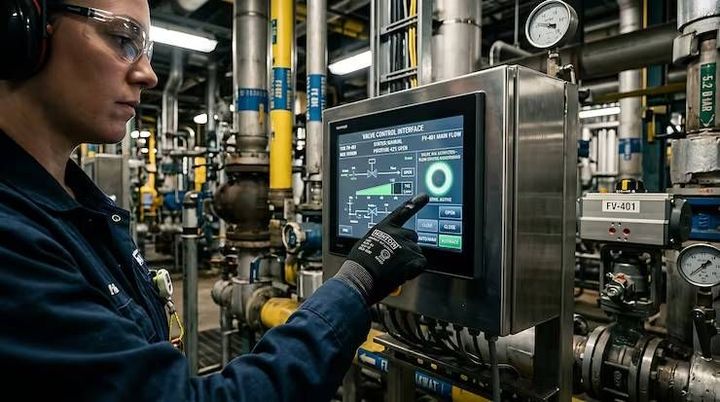
Modern monitoring systems can collect pressure, temperature, flow, and vibration readings through electronic sensors. A data acquisition unit or industrial controller may transmit these readings to a local display, supervisory control system, or remote monitoring platform.
Continuous monitoring can reveal short-lived fluctuations that periodic manual inspections might not capture. However, sensors require correct installation, calibration, suitable measurement ranges, and regular checks to ensure that the collected data remains meaningful.
Predictive Maintenance and Data Analysis
Predictive maintenance uses operating data and condition indicators to estimate when equipment may require inspection or maintenance. Analytical software can compare current measurements with historical patterns and identify unusual changes that may deserve investigation.
Machine learning is also being explored for detecting complex relationships among multiple measurements. Its accuracy depends on factors such as data quality, equipment variation, operating conditions, and the availability of reliable fault examples. An automated warning should therefore be treated as evidence for investigation rather than a definitive diagnosis.
Fluid Monitoring and Energy Efficiency
Online particle sensors and fluid condition instruments can help track contamination or changes in selected fluid properties. Laboratory analysis remains relevant when detailed information about fluid degradation, wear particles, or contamination is needed.
Energy efficiency is another consideration. Abnormal pressure losses, internal leakage, excessive heat, and poorly matched operating conditions can contribute to energy waste. Monitoring these factors can help engineers understand how the hydraulic system performs under different loads and operating cycles.
Laws or Policies
Hydraulic system monitoring is influenced by workplace safety requirements, machinery standards, environmental regulations, and the operating rules applicable to each industry. Requirements vary by country, equipment type, pressure level, and intended use.
Industrial Safety Requirements in India
In India, relevant workplace safety obligations may arise under the Occupational Safety, Health and Working Conditions Code, 2020, and other applicable legislation, rules, and transitional arrangements. The exact provisions in force depend on implementation status, industry, establishment type, and the relevant jurisdiction.
Factories and industrial facilities may also be subject to applicable state factory rules, equipment inspection requirements, and workplace risk-control procedures. Hydraulic equipment should be operated and maintained according to its design specifications, approved procedures, and relevant legal obligations.
Pressure Equipment and Environmental Considerations
Hydraulic systems operate under pressure, so safe design, suitable hoses and fittings, pressure relief arrangements, guarding, and appropriate inspection practices are important. Where specific pressure equipment or lifting equipment regulations apply, the relevant requirements depend on the equipment's classification and use.
Fluid leaks can create slip hazards and may contaminate soil or water. Facilities should follow applicable waste-management and environmental rules when handling used hydraulic oil, contaminated filters, absorbents, and other maintenance waste. Requirements for collection, storage, transport, and disposal depend on the material and local regulations.
Technical standards published by organizations such as the International Organization for Standardization (ISO) and the National Fluid Power Association (NFPA) provide guidance on hydraulic systems, fluid cleanliness, components, and related practices. A standard may be voluntary unless it is incorporated into a contract, regulation, or other applicable requirement.
Tools and Resources
Hydraulic system condition monitoring relies on measurement equipment, inspection records, technical documentation, and analytical tools. The required combination depends on the complexity of the system and the type of condition being evaluated.
Common Monitoring Equipment
Typical instruments include:
Pressure gauges and electronic pressure transducers: Measure operating pressure and pressure changes.
Temperature sensors: Monitor fluid, reservoir, and component temperatures.
Flow meters: Measure fluid movement through a hydraulic circuit.
Particle counters: Assess the number and size distribution of particles in hydraulic fluid.
Vibration analyzers: Record mechanical vibration for comparison with baseline readings.
Fluid sampling kits: Collect representative samples for laboratory analysis.
Data loggers and monitoring software: Store readings and display changes over time.
Measurement equipment should be selected for the required pressure range, fluid compatibility, environmental conditions, and measurement accuracy. Installation must follow appropriate safety procedures, particularly when connecting instruments to pressurized lines.
Standards, Documentation, and Digital Resources
ISO 4406 provides a method for coding the cleanliness level of hydraulic fluids according to particle counts. ISO 4413 addresses general rules and safety requirements for hydraulic fluid power systems. The relevant edition and applicability should be confirmed when preparing technical procedures or compliance documentation.
Manufacturer manuals, hydraulic circuit diagrams, maintenance histories, and fluid specifications are also important resources. Industrial data platforms and spreadsheet templates can help record operating pressure, temperature, fluid analysis results, filter changes, inspection findings, and corrective actions.
Building a Monitoring Record
A useful monitoring record can include the following fields:
Equipment identification and operating hours.
Date and operating conditions during measurement.
Pressure, temperature, flow, and vibration readings where applicable.
Fluid sample results and cleanliness codes.
Manufacturer limits or established baseline values.
Observed abnormalities, inspection findings, and follow-up actions.
Consistent records make it easier to distinguish normal operating variation from persistent changes. Measurements should be taken under comparable conditions whenever possible, because load, fluid temperature, machine speed, and operating cycles can influence the results.
FAQs
What is hydraulic system condition monitoring?
Hydraulic system condition monitoring is the process of assessing equipment health through measurements such as pressure, temperature, flow, vibration, and fluid cleanliness. The results help identify unusual operating conditions that may require further investigation.
Which technologies are used for hydraulic system condition monitoring?
Common technologies include pressure and temperature sensors, flow meters, vibration analyzers, fluid particle counters, laboratory fluid analysis, and connected data acquisition systems. The appropriate combination depends on the equipment and monitoring objectives.
What are the main hydraulic system performance indicators?
Common indicators include operating pressure, fluid temperature, flow rate, viscosity, particle contamination, vibration, filter differential pressure, and leakage. Their readings should be compared with equipment specifications and historical operating data.
How does predictive maintenance help hydraulic equipment?
Predictive maintenance analyzes condition data to identify changes that may indicate developing equipment problems. It can help organize inspections, but its findings depend on data quality and should be checked against physical evidence and technical specifications.
How often should hydraulic systems be monitored?
Monitoring frequency depends on the equipment manufacturer's instructions, operating severity, safety requirements, and the consequences of failure. Some systems use continuous sensors, while others rely on scheduled inspections and periodic fluid analysis.
Conclusion
Hydraulic system condition monitoring combines measurement technologies, inspection practices, and performance indicators to assess the operating state of hydraulic equipment. Pressure, temperature, flow, vibration, and fluid cleanliness provide complementary information about system behavior. Digital monitoring and data analysis are expanding the ways industrial facilities identify abnormal conditions, while reliable interpretation still depends on sound measurements and technical knowledge. Applicable safety rules, equipment specifications, and environmental requirements shape how monitoring and maintenance are carried out.

You May Also Like