Explore Slitting Rewinding Machines With Precision Cutting and Roll Processing Information
Slitting rewinding machines are industrial systems used to divide large rolls of flexible materials into narrower rolls and then rewind those sections into controlled, usable formats. They are commonly associated with paper, plastic film, foil, laminates, labels, textiles, adhesive materials, and other continuous web products.
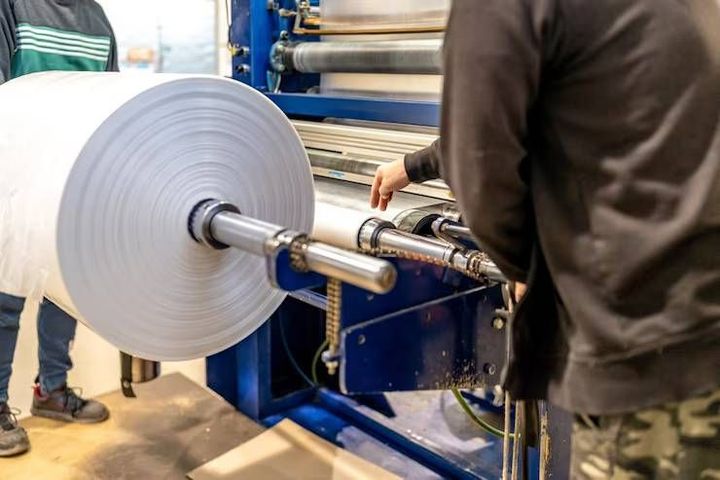
The basic process begins with a parent roll, sometimes called a master roll. The machine guides this wide roll through a series of rollers, cutting elements, tension controls, and winding stations. The material is separated into narrower widths and wound onto individual cores or shafts.
How Slitting Rewinding Machines Developed
The development of slitting equipment is closely connected with the growth of continuous-roll manufacturing. As industries moved from manually handled sheets and individual pieces toward continuous webs, manufacturers needed equipment capable of dividing large rolls accurately and repeatedly.
Earlier systems relied on relatively simple mechanical arrangements. Modern slitting rewinding machines combine mechanical components with electronic controls, sensors, programmable systems, and automated tension management.
Main Machine Functions
A typical slitting rewinding machine performs several related operations:
- Unwinding the parent roll
- Guiding the material through the machine
- Maintaining controlled web tension
- Cutting the web into specified widths
- Removing or managing trim material
- Rewinding individual rolls
- Monitoring operating conditions
- Controlling roll diameter and winding pressure
The exact arrangement depends on the material and production requirements. A machine designed for thin plastic film may have different controls from equipment used for paper, foil, or heavier laminated materials.
Importance
Slitting rewinding machines are important because many manufacturers produce materials in wide master rolls while downstream processes require narrower rolls. Converting the material into practical widths creates a connection between large-scale material production and later manufacturing stages.
Industries Using Roll Processing Equipment
Slitting and rewinding technology can be found across several industries, including:
- Flexible packaging
- Paper processing
- Plastic film production
- Aluminum foil processing
- Label manufacturing
- Adhesive materials
- Textile and nonwoven materials
- Electrical insulation materials
- Medical packaging materials
- Industrial laminates
The equipment affects operators, production engineers, maintenance teams, quality personnel, and businesses that process continuous-roll materials.
Why Precision Cutting Matters
Precision cutting is important because an inaccurate slit can create problems during subsequent processing. Variations in width, edge quality, roll alignment, or winding tension may influence how the material behaves in printing, packaging, laminating, coating, or converting operations.
A controlled slitting process can therefore help maintain consistent roll dimensions and reduce material handling difficulties. However, actual results depend on machine configuration, material characteristics, operating conditions, and maintenance.
Key Performance Factors
Several factors influence slitting rewinding performance:
| Factor | Purpose | Possible Effect |
|---|---|---|
| Web tension | Controls material movement | Influences roll tightness and stability |
| Slitting method | Separates the web | Influences edge quality |
| Winding pressure | Controls roll formation | Affects roll structure |
| Core alignment | Positions finished rolls | Supports consistent winding |
| Web guiding | Maintains material position | Reduces lateral movement |
| Roll diameter control | Tracks winding progress | Supports repeatable roll dimensions |
| Sensor systems | Detect operating conditions | Helps control process variations |
These factors work together rather than independently. A problem with tension, for example, can influence winding quality even when the cutting elements are correctly positioned.
Recent Updates
The current development of slitting rewinding machines is strongly connected with automation, digital monitoring, energy management, and improved process control. Equipment introduced or upgraded in recent years increasingly combines mechanical systems with electronic controls and data-based monitoring.
Automation and Digital Controls
Modern machines can use programmable control systems to coordinate web speed, tension, acceleration, deceleration, and winding parameters. Touchscreen interfaces can make operating information easier to view and adjust.
Sensors can also monitor variables such as roll diameter, material position, tension, and machine conditions. This allows operators to identify process changes earlier than with purely manual systems.
Improved Tension Management
Tension control remains a major area of development. Different materials respond differently to pulling force, speed changes, and winding pressure. Automated systems can adjust control parameters during the winding cycle to maintain more consistent material handling.
Flexible Production Requirements
Manufacturing environments increasingly process multiple material types and widths. This has encouraged the development of machines with configurable slitting arrangements, programmable recipes, faster setup procedures, and automated adjustment systems.
The focus is not simply on higher operating speed. Repeatability, material handling, changeover efficiency, data collection, and process stability are also important considerations.
Energy and Material Efficiency
Manufacturers are also paying greater attention to energy consumption and material utilization. Efficient drive systems, controlled acceleration, improved trim management, and process monitoring can help reduce unnecessary resource use.
These developments are particularly relevant where materials are expensive or where production generates significant amounts of edge trim and rejected rolls.
Laws or Policies
Slitting rewinding machines are influenced by workplace safety requirements, machinery regulations, electrical standards, environmental rules, and waste-management requirements. The exact legal framework depends on the country, industry, machine design, and workplace conditions.
Machine Safety Requirements
Industrial equipment generally needs safeguards around moving components that could create mechanical hazards. Slitting rewinding machines can contain rotating shafts, cutting elements, rollers, pneumatic components, and powered winding systems.
Common safety measures include:
- Guards around hazardous moving components
- Emergency stopping systems
- Clearly identified operating controls
- Safe access procedures
- Electrical protection
- Lockout and isolation procedures
- Operator training
- Preventive inspection procedures
Requirements differ among jurisdictions, so manufacturers and operators need to follow the applicable local machinery and workplace rules.
Environmental and Waste Considerations
Roll processing can generate edge trim, rejected rolls, cores, packaging materials, and other industrial waste. Environmental rules may establish requirements for handling, storage, recycling, or disposal.
Where the processed material contains coatings, adhesives, or other substances, additional environmental requirements may apply. Businesses normally need to identify the rules relevant to their material and facility rather than assuming that one regulatory framework applies everywhere.
Tools and Resources
Several technical resources can help people understand or operate slitting rewinding equipment.
Machine Manuals and Technical Documents
Machine manuals normally contain information about operating controls, recommended setup procedures, safety systems, maintenance intervals, and component specifications. Technical drawings can also help identify shafts, rollers, cutting assemblies, and winding arrangements.
Slitting Calculators
Online slitting calculators can help estimate roll dimensions, slit widths, core arrangements, material utilization, and winding relationships. Results should be treated as planning information because actual machine conditions can change the outcome.
Digital Monitoring Systems
Production monitoring platforms can record parameters such as web speed, roll diameter, tension, production quantities, downtime, and machine alarms. Historical data can help identify recurring process variations.
Maintenance Checklists
A structured checklist can cover areas such as:
- Cutting elements
- Bearings and rotating components
- Rollers
- Sensors
- Pneumatic systems
- Electrical connections
- Web-guiding components
- Tension-control systems
- Safety devices
Regular inspection can help identify mechanical or control issues before they interfere with normal operation.
FAQs
What is a slitting rewinding machine?
A slitting rewinding machine divides a wide parent roll into narrower sections and rewinds those sections into separate rolls. It is used with materials such as paper, plastic film, foil, laminates, labels, and other continuous webs.
How does precision cutting work in slitting rewinding machines?
Precision cutting uses controlled cutting elements positioned at specified widths. The machine also controls web movement and tension so that the material remains properly aligned during the cutting and rewinding process.
What materials can slitting rewinding machines process?
Depending on machine configuration, they can process paper, plastic films, foil, laminates, labels, adhesive materials, nonwoven materials, and various industrial webs. Material thickness, flexibility, surface characteristics, and tensile behavior influence machine configuration.
Why is tension control important during roll processing?
Tension control helps maintain stable movement of the web and influences how tightly and evenly the finished rolls are wound. Excessive or insufficient tension can contribute to wrinkles, telescoping, deformation, or other roll-quality problems.
What factors should be monitored during slitting and rewinding?
Important factors include web tension, cutting position, winding pressure, roll diameter, web alignment, operating speed, edge quality, and machine safety conditions. Monitoring requirements vary according to material and equipment design.
Conclusion
Slitting rewinding machines convert wide parent rolls into narrower, controlled rolls for subsequent manufacturing processes. Precision cutting, web tension, winding control, alignment, and monitoring all contribute to consistent roll processing. Recent equipment development has increasingly incorporated automation, digital controls, sensors, and resource-efficiency features. Applicable safety, environmental, and machinery requirements depend on the country, workplace, equipment configuration, and materials involved.