Explore Luxury Jewelry Watches With Diamond Details, Materials, and Design Features
Luxury jewelry watches combine timekeeping with decorative jewelry elements such as diamonds, precious metals, gemstones, detailed bracelets, and sculpted cases. Unlike watches designed mainly around practical time display, jewelry watches place considerable attention on visual design, materials, craftsmanship, proportions, and the relationship between the watch case and surrounding decorative elements.
The development of jewelry watches comes from the long history of combining portable timekeeping with personal adornment. Early decorative timepieces were often created as objects that could be worn, carried, or displayed. As mechanical watchmaking developed, watchmakers and jewelry makers increasingly worked with metals, gemstones, engraving, enamel, and other decorative techniques.
Modern luxury jewelry watches can use mechanical or electronic movements. Their cases may be produced from materials such as gold, platinum, stainless steel, or ceramic, while diamonds can appear on bezels, dials, lugs, bracelets, crowns, or other components.
Diamond details are not limited to one visual style. Some watches use a small number of carefully positioned stones, while others incorporate extensive diamond settings across the case and bracelet. The arrangement affects the appearance, light reflection, weight, and overall character of the watch.
Main Elements of Jewelry Watches
A luxury jewelry watch can contain several interconnected design elements:
Watch case for protecting the movement
Dial for displaying time information
Hands or digital indicators for time display
Crystal covering the dial
Crown for setting or adjusting the watch
Bracelet or strap for wearing the watch
Bezel surrounding the crystal
Diamond settings for decorative details
Movement providing the timekeeping mechanism
Clasp or fastening system securing the bracelet
The relationship between these components determines the overall appearance and usability of the watch. A heavily decorated case may create a different visual balance from a simpler case with diamonds concentrated around the bezel.
Diamond Details
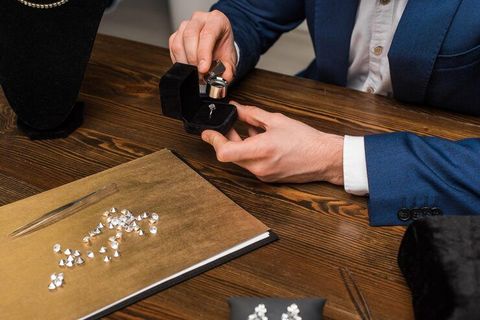
Diamonds used in jewelry watches can differ in size, shape, color, clarity, and cutting style. Round brilliant diamonds are common in many jewelry applications because their faceting can produce substantial light reflection.
Other shapes may include baguette, princess, oval, pear, or emerald cuts. The selected shape can influence how diamonds fit into a bezel, bracelet, dial, or geometric pattern.
Diamond setting methods also affect appearance. Prong settings use small metal supports around stones, while channel settings place stones within a prepared metal channel. Bezel settings surround a stone with metal, providing a different visual and structural arrangement.
Importance
Luxury jewelry watches are relevant to people interested in horology, jewelry design, precious materials, craftsmanship, fashion history, and decorative objects. Understanding the components can help readers distinguish between the functional elements of a watch and its ornamental features.
The topic also involves material knowledge. Gold, platinum, ceramic, sapphire crystal, diamonds, and other materials have different physical properties, appearances, and maintenance requirements. Understanding these differences provides useful context when examining watch construction.
Materials Used in Luxury Jewelry Watches
Case and bracelet materials can significantly influence the appearance and physical characteristics of a watch. Gold is available in different alloys and colors, including yellow, white, and rose variations. Platinum is a dense precious metal with a naturally pale appearance.
Ceramic is used in some contemporary watches because of its hardness and resistance to certain forms of surface wear. Sapphire crystal is also widely used for watch covers because synthetic sapphire has high hardness and can provide substantial resistance to scratching.
A watch may combine several materials. For example, a design could use a precious-metal case, sapphire crystal, a ceramic component, and diamond decoration.
Design and Wearability
Jewelry watches must balance decorative details with practical wearing considerations. Case thickness, bracelet flexibility, clasp design, weight, dial readability, and crown placement can all influence how a watch feels on the wrist.
Diamond placement can also affect visual balance. Stones concentrated around a bezel create a different appearance from diamonds covering an entire bracelet or forming patterns across the dial.
The size of the watch matters as well. A larger case provides more space for decorative elements, while a smaller case can create a more compact jewelry-like appearance.
Movement Types
The movement is the mechanism responsible for timekeeping. Mechanical movements use components such as gears, springs, wheels, and an escapement, while quartz movements use electronic regulation with a quartz crystal.
Mechanical watches may be manually wound or automatically wound through movement of the wearer's wrist. Quartz watches generally use a battery or another electrical power source.
The movement type is independent from the decorative nature of the watch. A jewelry watch can therefore contain either a mechanical or quartz movement while maintaining an elaborate exterior design.
Recent Updates
From 2024 through 2026, luxury jewelry watch design has continued to combine traditional decorative techniques with contemporary materials, smaller case formats, unconventional diamond arrangements, and mechanical innovation. The wider watch sector has also continued to explore colored gemstones, alternative materials, and more varied bracelet designs.
Contemporary Diamond Arrangements
Diamond placement has expanded beyond conventional bezel decoration. Designers may integrate stones into dials, hour markers, crowns, lugs, bracelets, and case sides.
Geometric arrangements can create repeated patterns, while graduated stones can produce changes in visual density. These approaches allow diamond decoration to become part of the architecture of the watch rather than an isolated detail.
Alternative Materials
Modern jewelry watches can incorporate materials beyond traditional precious metals. Ceramic, sapphire, titanium, and specialized alloys appear in various watch designs.
These materials can have different properties relating to weight, hardness, appearance, and manufacturing requirements. Combining them with precious metals or diamonds creates additional design possibilities.
Smaller and More Detailed Designs
Some contemporary designs emphasize compact cases with intricate decorative elements. Smaller watches can use diamonds and other gemstones as part of the dial, bezel, or bracelet while maintaining a relatively understated overall profile.
At the same time, larger watches remain relevant for designs where the movement, case architecture, or decorative setting is intended to be visually prominent.
Craftsmanship and Digital Design
Computer-aided design and precision manufacturing are increasingly integrated with traditional watchmaking and jewelry techniques. Digital modeling can help designers visualize case proportions, stone placement, component tolerances, and bracelet construction before physical production.
Traditional techniques such as hand finishing, engraving, gem setting, polishing, and decorative movement finishing continue to coexist with modern manufacturing processes.
Laws or Policies
Luxury jewelry watches can be affected by rules concerning precious metals, diamonds, product descriptions, consumer protection, customs, taxation, hallmarking, and gemstone disclosure. Requirements differ substantially between countries and regions.
Precious Metal Standards
Gold and platinum products may be subject to purity or hallmarking requirements depending on the jurisdiction. A hallmark or other recognized marking can provide information about metal fineness or the responsible testing authority where such systems are used.
Because terminology and marking systems vary internationally, consumers should interpret metal markings according to the applicable local framework.
Diamond Disclosure
Diamond-related regulations can concern descriptions, origin claims, treatments, laboratory-grown stones, and disclosure requirements. Natural diamonds and laboratory-grown diamonds have different origins, although both can have similar chemical compositions.
Some diamonds can also undergo treatments that alter their appearance. Product documentation may identify relevant treatments or characteristics where required by applicable rules.
International Trade
Precious metals, diamonds, watches, and gemstones can be subject to customs and import requirements when moved between countries. Documentation may include information about materials, value, origin, and applicable trade classifications.
International diamond trade is also affected by systems designed to address conflict-diamond risks. Requirements vary by jurisdiction and may apply to businesses involved in international movement of rough diamonds.
Tools and Resources
Several tools can help readers understand jewelry watches and their technical characteristics. Watch specification sheets can provide information about case dimensions, movement type, water resistance, materials, crystal type, bracelet construction, and power reserve.
Diamond grading reports can contain information about characteristics such as carat weight, color, clarity, and cut for individual stones when a recognized gemological report is available.
Useful resources include:
Watch specification sheets
Diamond grading reports
Gemstone identification references
Metal purity tables
Watch measurement guides
Movement reference materials
Case-size comparison tools
Bracelet sizing guides
Maintenance records
Authentication documentation
Hallmark references
Jewelry appraisal documentation
A simplified comparison of common materials and design characteristics is shown below:
| Material or Feature | Common Use | Main Characteristic |
|---|---|---|
| Gold | Cases and bracelets | Precious metal with multiple alloy colors |
| Platinum | Cases and settings | Dense precious metal |
| Ceramic | Cases and bezels | Hard material used in contemporary designs |
| Sapphire Crystal | Dial protection | High hardness and scratch resistance |
| Diamonds | Cases, dials, bezels, bracelets | Decorative gemstone with varied cuts |
| Leather | Straps | Flexible material with varied textures |
| Titanium | Cases and components | Lightweight metal used in some designs |
Digital watch databases and measurement tools can also help readers compare case dimensions, movement types, lug widths, bracelet sizes, and other technical specifications. Jewelry reference materials can provide additional context about diamond cuts, gemstone characteristics, and metal terminology.
FAQs
What are luxury jewelry watches?
Luxury jewelry watches are timepieces that combine watchmaking with decorative jewelry elements. They may use precious metals, diamonds, gemstones, detailed bracelets, and elaborate case or dial designs.
What diamond details are used in jewelry watches?
Diamonds can be placed on bezels, dials, hour markers, lugs, crowns, cases, and bracelets. Different cuts and setting methods create different visual effects and structural arrangements.
What materials are used in luxury jewelry watches?
Common materials include gold, platinum, stainless steel, ceramic, titanium, sapphire crystal, leather, and diamonds. A single watch may combine several of these materials.
How do mechanical and quartz jewelry watches differ?
Mechanical watches use a mechanical movement based on gears, springs, and an escapement, while quartz watches use electronic regulation involving a quartz crystal. Both movement types can be incorporated into decorative jewelry watches.
What should be checked when examining a diamond jewelry watch?
Relevant information can include case material, metal purity, diamond characteristics, gemstone documentation, movement type, case dimensions, bracelet construction, crystal material, markings, and available authentication or grading records.
Conclusion
Luxury jewelry watches combine timekeeping mechanisms with decorative materials, diamonds, gemstones, precious metals, and detailed case or bracelet designs. Diamond characteristics such as cut, size, clarity, and setting method can influence the appearance of individual components. Recent designs have incorporated alternative materials, digital manufacturing techniques, varied diamond arrangements, and different case proportions. Understanding the movement, materials, gemstone details, construction, and applicable documentation provides useful context for examining these specialized timepieces.