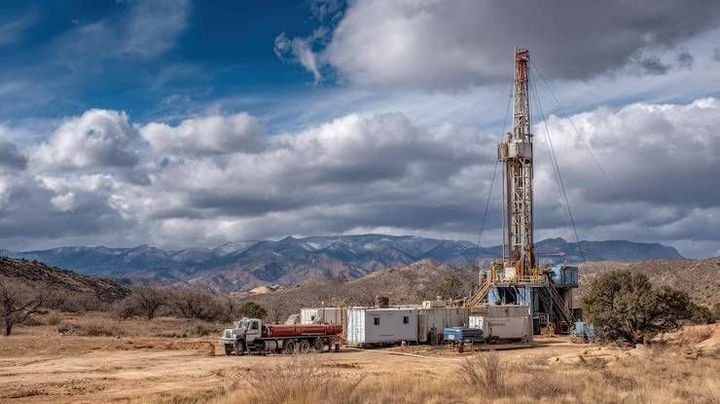
Explore Heavy-Duty Mine Drilling Rigs for Sale: Pricing, Types & Specs
Selecting the right mine drilling rigs directly determines your excavation efficiency, blasting accuracy, and overall cost per ton extracted. Whether you are expanding an open-pit quarry or developing deep underground tunnels, investing in modern hydraulic and pneumatic drilling machinery ensures reliable penetration rates across the toughest geological formations.
Mine drilling rigs are specialized heavy engineering machines designed to bore precise holes into rock formations for mineral exploration, blast hole preparation, and structural rock bolting. Modern commercial mining operations rely heavily on automated drilling systems that combine high-torque rotation with controlled downward feed pressure to maximize bit life and maintain straight bore trajectories. By integrating onboard telemetry and real-time geological feedback sensors, contemporary rigs allow fleet managers to track penetration speed, fuel consumption, and rock hardness instantaneously. Investing in properly calibrated mining equipment minimizes unscheduled maintenance downtime and dramatically improves downstream crushing and hauling efficiency.
Surface Blast Hole Drilling Rigs
Surface blast hole drilling rigs are high-capacity crawler-mounted machines engineered specifically for open-pit mines, limestone quarries, and large-scale aggregate production. These units typically utilize either rotary tricone bits for softer sedimentary overburden or down-the-hole hammers for ultra-hard granite and basalt deposits. Equipped with powerful diesel engines, onboard high-pressure air compressors, and automated rod-handling carousels, surface rigs allow a single operator to drill deep production holes safely from a climate-controlled cabin. When evaluating surface blast hole drilling rigs for sale, procurement teams prioritize mast stability, dust suppression systems, and rapid tramming speeds between bench locations.
Underground Mining Drill Rigs
Underground mining drill rigs feature compact, articulated rubber-tired carriers built to navigate narrow drifts, steep declines, and low-headroom tunnels. Commonly known as jumbo drills or production long-hole rigs, these machines rely on electro-hydraulic power packs to eliminate diesel exhaust emissions during active drilling cycles. Single-boom and multi-boom hydraulic rock drill rigs offer precise computerized boom positioning, ensuring exact hole alignment for controlled perimeter blasting and minimal overbreak. For underground contractors, modular component layouts and centralized lubrication points are critical features that simplify servicing inside confined subterranean workshops.
Core Exploration and Geotechnical Drill Rigs
Core exploration and geotechnical drill rigs extract intact cylindrical rock samples from depths exceeding several thousand meters to verify ore body grades and structural stability. Unlike production blast rigs that pulverize rock into cuttings, diamond core rigs use specialized impregnated drill bits and wireline retrieval systems to bring continuous core barrels to the surface without tripping the entire drill string. These versatile units are available in track-mounted, truck-mounted, and heli-portable configurations to access remote mineral concessions. Accurate geological logging from exploration rigs forms the financial foundation for feasibility studies, mine planning, and capital investment approvals.
Key Factors Driving Mining Drill Rig Price and Operating Costs
Evaluating the total cost of ownership goes far beyond the initial purchase invoice, as consumables, fuel burn, and maintenance contracts shape long-term profitability. A new mid-sized hydraulic surface crawler rig typically commands a substantial capital outlay, while heavy-duty electric rotary blast hole drills represent multi-million-dollar fleet investments. Buyers must balance upfront capital expenditure against hourly operating costs, including drill bits, hammer rebuilds, hydraulic oil filtration, and replacement wear parts. Securing comprehensive spare parts packages and certified technician support from established underground mining equipment suppliers protects your operation against costly production bottlenecks.
Hydraulic Power vs. Pneumatic DTH Systems
Choosing between top-hammer hydraulic rock drill rigs and pneumatic down-the-hole systems depends largely on required hole diameter, target depth, and rock abrasiveness. Top-hammer hydraulic rigs deliver superior energy transfer and faster penetration rates for smaller hole diameters, typically ranging from 51 millimeters to 127 millimeters, while consuming significantly less diesel fuel per meter drilled. Conversely, DTH drill rig configurations maintain consistent impact energy regardless of hole depth because the percussion piston sits directly behind the bit inside the borehole. For deep holes exceeding 30 meters in fractured or hard formations, DTH systems prevent energy loss through the drill rods and reduce hole deviation.
Automation, Telemetry, and Operator Safety Features
Advanced automation packages have transitioned from luxury add-ons to essential specifications for commercial mining fleets seeking higher productivity and regulatory compliance. Modern rigs incorporate auto-drilling software that automatically adjusts percussion pressure and rotation speed when encountering clay seams or fractured zones, preventing stuck drill strings. Remote-control tramming consoles and tele-remote operation stations allow operators to run machines from safe surface control rooms during hazardous bench setups or unsupported underground headings. Additionally, integrated collision avoidance sensors, automatic fire suppression systems, and Falling Object Protective Structures ensure strict adherence to international mine safety standards.
Procurement Strategies: Buying New, Used, or Leasing Equipment
Structuring the acquisition of heavy drilling machinery requires careful alignment between project timelines, balance sheet liquidity, and tax depreciation schedules. Large mining houses with multi-decade reserve life cycles generally purchase brand-new fleets backed by multi-year OEM maintenance and repair contracts to guarantee maximum availability. Conversely, junior exploration companies and short-term civil contractors frequently utilize heavy mining machinery financing, lease-to-own agreements, or certified rebuilt rigs to preserve working capital. When inspecting used mine drilling rigs for sale, technical teams should conduct thorough ultrasonic mast inspections, hydraulic pump flow tests, and engine oil analyses to uncover hidden structural fatigue before finalizing payment.
Essential Maintenance Practices to Maximize Fleet Uptime
Implementing a strict preventive maintenance schedule is the most reliable way to extend component lifespans and protect your return on capital investment. Daily pre-shift inspections should verify hydraulic hose integrity, compressor oil levels, track tension, and dust collector filter elements before starting the engine. Maintaining clean hydraulic fluid through regular kidney-loop filtration prevents premature wear on expensive variable-displacement pumps and proportional control valves. Training operators to monitor percussion pressures, shank adapter lubrication, and bit sharpening intervals further reduces consumable expenses while keeping daily meterage targets on schedule.
Disclaimer: The technical specifications, operational comparisons, and general pricing considerations provided in this article are for informational and educational purposes only. Actual equipment costs, financing terms, and drilling performance vary significantly depending on geological conditions, regional regulations, and manufacturer configurations. Always consult certified mining engineers, qualified financial advisors, and authorized equipment specialists before making capital procurement or operational safety decisions.