Komatsu Heavy Equipment Guide: Buyer Fleet & Machinery Insights
Selecting the right Komatsu heavy equipment can transform site productivity and lower long-term operational expenses for contractors across construction and mining sectors. Understanding fleet specifications, heavy equipment financing, and earthmoving equipment lifecycle value helps business owners make confident purchasing decisions.
Modern infrastructure and resource extraction projects demand reliable construction machinery built for endurance under heavy daily workloads.
Hydraulic Excavators for Precision Digging
When searching for a Komatsu excavator for sale, buyers encounter crawler and wheeled models tailored for trenching, demolition, and bulk earthmoving.
Wheel Loaders and Crawler Dozers
High-volume material handling relies heavily on articulated wheel loaders capable of moving aggregate, gravel, and ore with minimal cycle delays.
Off-Highway Dump Trucks and Mining Machinery
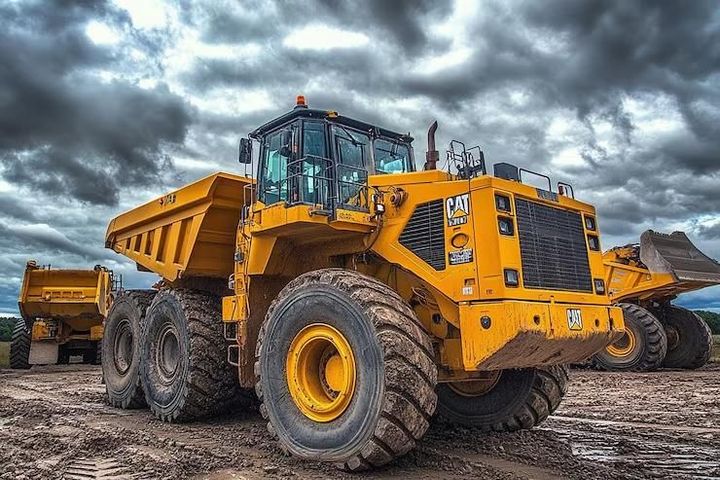
Large-scale extraction demands specialized mining machinery engineered to haul hundreds of tons per cycle over steep, uneven terrain. Rigid frame haul trucks and articulated dump trucks offer high ground clearance, traction control, and durable suspension systems. Fleet managers prioritize payload monitoring and automated dispatch systems to maximize tons moved per liter of fuel consumed.
Evaluating Buying Intent: New vs. Used Komatsu Equipment
Deciding between factory-new machines and used Komatsu equipment requires weighing upfront capital against expected utilization hours. High-utilization contractors running multi-shift operations often prefer new units backed by comprehensive factory warranties and telematics monitoring. Conversely, smaller firms or seasonal operators frequently achieve stronger returns by acquiring certified pre-owned machines with documented service histories.
Key Inspection Points Before Purchase
Inspecting pre-owned construction machinery involves checking hydraulic pump pressures, undercarriage wear percentages, and engine diagnostic logs. Buyers should verify whether scheduled oil sampling and filter replacements occurred on time throughout the machine's working life. Reviewing structural welds around booms, arms, and loader frames ensures the chassis has not suffered stress fractures from overloading.
Heavy Equipment Financing and Total Cost of Ownership
Acquiring industrial assets involves more than comparing initial sticker prices across dealerships. Smart fleet buyers calculate total cost of ownership by factoring in depreciation, insurance, fuel burn, and heavy equipment financing terms. Flexible commercial loans, equipment leases, and seasonal payment structures allow companies to preserve working capital while expanding fleet capacity.
Telematics and Preventive Maintenance Programs
Reducing unplanned downtime is essential because an idle machine stalls entire project schedules. Factory telematics platforms track real-time fuel consumption, idle hours, and fault codes so service technicians can intervene before minor wear causes catastrophic failure. Investing in genuine replacement filters, wear parts, and scheduled heavy equipment maintenance protects resale value and extends component life.
Choosing an Authorized Heavy Equipment Dealer
Partnering with a reputable local dealer ensures rapid access to replacement parts, field service trucks, and operator training. Before signing a purchase agreement, buyers should evaluate parts inventory availability, emergency repair turnaround times, and rental fleet backup options. Strong after-sales support turns a capital purchase into a dependable revenue-generating asset for years of demanding site work.
Disclaimer: This article is provided strictly for general informational and educational purposes. It does not constitute financial, legal, mechanical, or commercial purchasing advice. Equipment specifications, pricing, financing terms, and availability vary by region and dealer; readers should consult authorized equipment dealers and qualified financial advisors before making any purchasing or investment decisions.