Industrial Oil Filtering Machines: Buying Guide, Types & ROI
Contaminated lubricants and degraded cooking or industrial fluids are silent budget killers that cause premature equipment failure, unplanned downtime, and skyrocketing replacement expenses across manufacturing and commercial sectors. Investing in high-performance oil filtering machines offers a proven, cost-effective solution to purify fluids, extend operational lifespans, and protect critical capital assets.
Every facility that relies on heavy machinery, power transformers, or commercial food processing faces the constant challenge of fluid degradation. Over time, dirt, metallic wear particles, moisture, oxidation byproducts, and carbon sludge accumulate inside oil reservoirs.
Adopting an in-house filtration strategy immediately transforms fluid management from a recurring operational expense into a sustainable, high-return investment. Companies searching for industrial oil filtration systems often discover that purchasing commercial purification units pays for itself within a few months through drastically reduced new oil procurement and lower hazardous waste disposal fees. Furthermore, maintaining pristine fluid cleanliness ensures strict compliance with environmental regulations and workplace safety standards, protecting your enterprise from costly regulatory penalties and liability risks.
Key Types of Commercial Oil Filtering Equipment
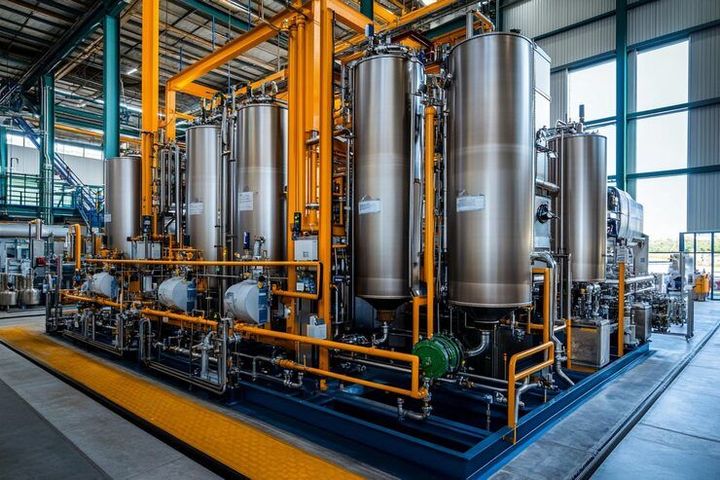
Selecting the right purification technology depends heavily on the specific viscosity, operating temperature, and contamination profile of your fluid. Industrial buyers evaluating oil recycling machines typically choose among several specialized architectures designed for distinct operational demands.
Hydraulic and Lubricating Oil Purifiers
Hydraulic systems operate under extreme pressures and tight mechanical tolerances, making them exceptionally vulnerable to microscopic particulate contamination.
Vacuum Dehydration Transformer Oil Plants
Power generation facilities and utility providers depend on insulating mineral oils to cool high-voltage transformers and prevent electrical arcing.
Centrifugal and Electrostatic Filtration Units
For heavy-duty applications involving high sludge loads, such as marine engines, steel mills, and CNC machining centers, traditional disposable filter cartridges clog too quickly and generate excessive maintenance labor. Centrifugal separators spin contaminated fluid at high rotational speeds, using centrifugal force to fling dense metallic particles, soot, and water outward against a cleanable rotor bowl. Similarly, electrostatic oil cleaners charge sub-micron varnish and oxidation particles, attracting them to collector plates so turbines and injection molding machines run smoothly without sticky resin buildup.
Commercial Cooking Oil Filtration Machines
In the food service and industrial snack manufacturing industries, frying oil represents a major raw material expense. Commercial fryer filtration systems circulate hot cooking oil through specialized filter papers and food-grade diatomaceous earth or magnesium silicate powders to remove burnt food crumbs and slow down free fatty acid formation. Routine daily filtration preserves consistent food flavor, improves product appearance, and doubles the usable life of expensive cooking oils.
Critical Factors to Evaluate Before Buying Oil Filtering Machines
Procurement managers and plant engineers comparing quotes from oil purification system suppliers must look beyond the initial equipment purchase price to evaluate total cost of ownership and operational reliability.
Flow Rate and Reservoir Capacity
Matching the machine's pumping capacity to your facility's total oil volume ensures efficient turnaround times during scheduled maintenance windows. Offline kidney-loop filtration systems typically circulate ten to twenty percent of a reservoir's total volume per hour, allowing continuous purification while production equipment remains fully operational. Conversely, portable filter carts require higher flow rates so maintenance technicians can quickly transfer and clean sump fluids between production shifts.
Micron Rating and Beta Ratio Efficiency
Understanding filter performance metrics is essential when comparing industrial lubricant filtration equipment. The micron rating indicates the smallest particle size a filter element can trap, while the Beta ratio measures capture efficiency at that specific size.
Automation, Safety Features, and Build Quality
Modern commercial filtration machines incorporate intelligent control panels, differential pressure gauges, automatic bypass valves, and moisture sensors to minimize operator intervention.
Financial Impact and Return on Investment
Implementing a proactive oil purification program delivers measurable financial benefits across every balance sheet metric. Clean lubricants reduce mechanical wear by up to seventy percent, extending the service life of pumps, gears, and engines while cutting emergency repair bills and spare parts inventory costs.
Disclaimer: The information provided in this article is for general educational and informational purposes only and does not constitute professional engineering, financial, or procurement advice. Operational requirements, equipment specifications, and regulatory compliance standards vary by industry and jurisdiction. Always consult a qualified lubrication engineer or certified equipment specialist before purchasing or operating industrial filtration machinery.