Industrial Valves: Complete Guide to Types and Applications
Explore industrial valves, their types, applications, and selection criteria. Learn how these critical components regulate fluid flow in manufacturing, energy, and processing industries.
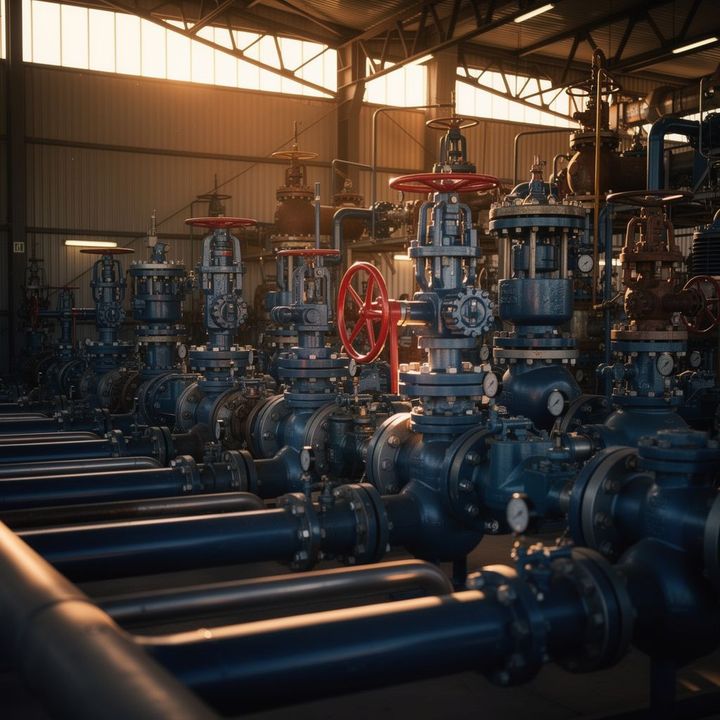
Industrial valves represent one of the most critical components in modern infrastructure, playing an indispensable role across manufacturing, energy production, water treatment, and chemical processing sectors. These mechanical devices serve the fundamental purpose of controlling, directing, and regulating the flow of various media—including liquids, gases, and slurries—through complex piping systems. The proper selection and maintenance of industrial valves directly impacts operational efficiency, safety, reliability, and cost-effectiveness of industrial processes.
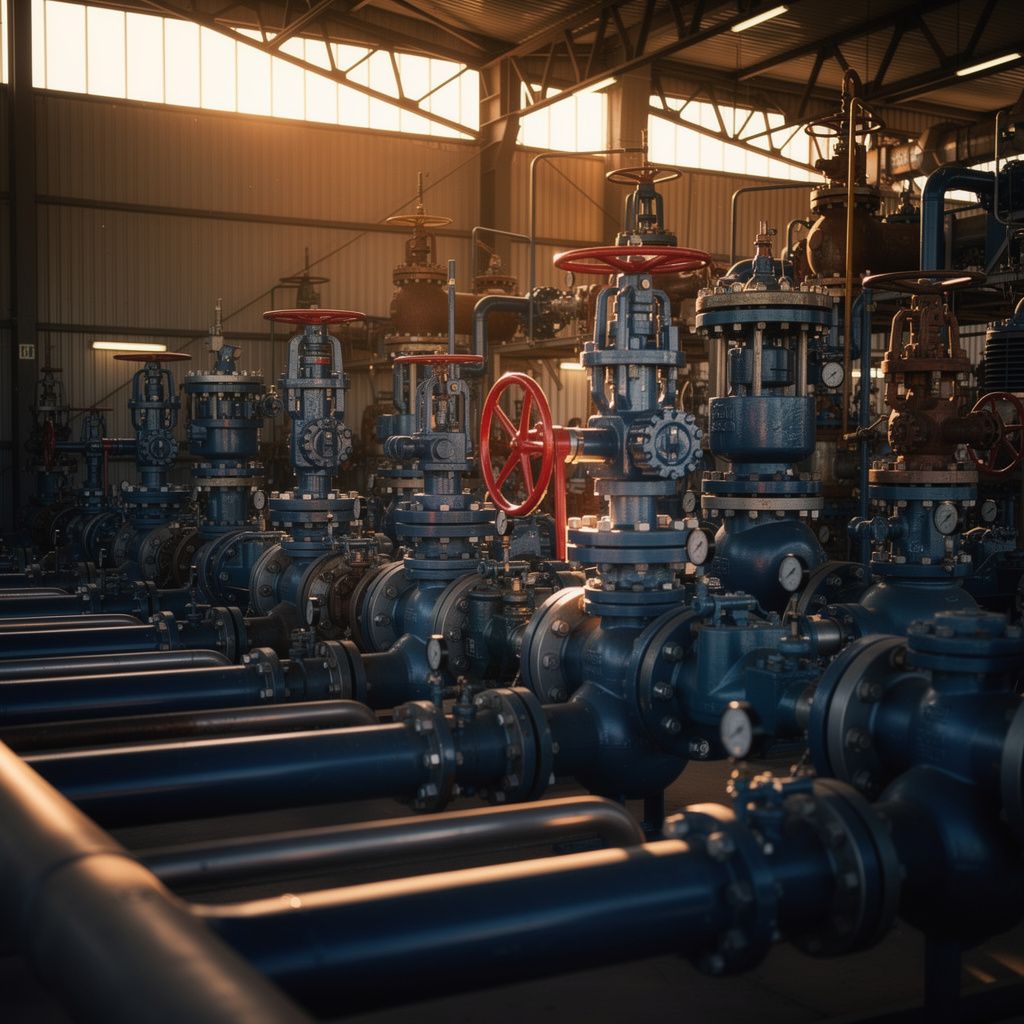
The global industrial valve market continues to expand as industries seek more efficient, durable, and specialized solutions for their unique operational challenges. From basic on-off functions to complex flow regulation and pressure management, industrial valves have evolved significantly over the decades. Understanding the fundamentals of valve technology, recognizing the distinctions between various valve types, and knowing how to select the appropriate valve for specific applications represents essential knowledge for anyone involved in industrial operations.
Benefits and Limitations of Industrial Valves
Industrial valves offer numerous advantages that make them indispensable in modern operations. The primary benefit lies in their ability to provide precise control over fluid dynamics, enabling operators to optimize flow rates, pressure levels, and directional routing with remarkable accuracy. This control translates directly into improved process efficiency and reduced waste.
Safety represents another critical advantage. Industrial valves enable rapid isolation of systems during emergencies, maintenance procedures, or unexpected operational issues. This isolation capability protects personnel, equipment, and surrounding infrastructure from potentially hazardous situations involving high-pressure systems or toxic substances.
Cost efficiency emerges as a significant benefit when valves are properly selected and maintained. Quality valves reduce leakage, minimize product loss, decrease energy consumption, and extend the operational lifespan of connected equipment. Over the long term, investing in appropriate valve solutions yields substantial returns through reduced downtime and maintenance expenses.
However, industrial valves do present certain limitations. Initial capital investment can be substantial, particularly for specialized or high-performance valves designed for extreme conditions. Maintenance requirements vary significantly depending on valve type and operating conditions, with some applications demanding regular inspection and servicing. Environmental factors such as corrosive media, extreme temperatures, or abrasive particles can accelerate wear and reduce valve lifespan, necessitating more frequent replacement cycles.
Primary Types of Industrial Valves
The industrial valve landscape encompasses numerous designs, each engineered for specific operational requirements. Understanding the characteristics and applications of major valve categories enables more informed decision-making.
Ball Valves
Ball valves feature a spherical closure element with a central bore that rotates to control flow. These valves provide excellent sealing characteristics, minimal pressure drop, and reliable on-off functionality. They handle both liquid and gas applications effectively and demonstrate exceptional durability in demanding environments. Ball valves are particularly valued for their simplicity, quick operation, and ability to withstand high pressures and temperatures.
Gate Valves
Gate valves utilize a flat or wedge-shaped disc that moves perpendicular to flow direction. These valves excel in applications requiring full flow with minimal pressure loss and are commonly employed in isolation services. Gate valves provide excellent sealing and handle slurry applications well, though they operate more slowly than ball valves and are less suitable for throttling applications.
Globe Valves
Globe valves feature a spherical body with an internal baffle and movable plug. They provide superior flow control and throttling capabilities, making them ideal for applications requiring precise regulation. Globe valves offer excellent sealing characteristics and can handle high-pressure and high-temperature conditions, though they create greater pressure drop compared to gate or ball valves.
Check Valves
Check valves operate passively, allowing flow in one direction while preventing backflow. These valves require no external control and are essential in applications where reverse flow could cause equipment damage or process contamination. Various designs including swing, lift, and ball check valves address different operational requirements.
Butterfly Valves
Butterfly valves employ a rotating disc perpendicular to flow direction, offering compact design and lightweight construction. These valves provide good flow control, quick operation, and cost-effectiveness, making them popular in large-diameter applications. However, they create higher pressure drop at full opening compared to ball or gate valves.
Current Industry Trends and Developments
The industrial valve sector continues to evolve in response to changing operational demands and technological advancement. Automation integration represents a major trend, with smart valves incorporating sensors, actuators, and digital controls enabling remote monitoring and automated response to system conditions. This trend supports Industry 4.0 initiatives and predictive maintenance strategies.
Sustainability concerns are driving innovation in valve design and materials. Manufacturers increasingly focus on reducing leakage, improving efficiency, and developing solutions compatible with alternative energy systems including hydrogen and renewable energy applications. Enhanced materials science enables valves to operate in more extreme conditions while maintaining reliability.
Digitalization of valve operations continues advancing, with manufacturers developing platforms for real-time monitoring, performance analytics, and predictive maintenance. These digital solutions help operators optimize valve performance, reduce unexpected failures, and extend asset lifespan.
Essential Features and Specifications
Selecting appropriate industrial valves requires understanding key specifications and operational characteristics. Pressure rating indicates the maximum pressure the valve can safely withstand, typically measured in pounds per square inch gauge (psig) or bar. Temperature rating specifies the acceptable operating temperature range for the valve and its sealing materials.
Flow capacity, measured in gallons per minute (GPM) or cubic meters per hour, determines whether a valve can handle the required flow rates. Valve size, typically expressed in nominal pipe size (NPS), must match the piping system. Material selection—including body material, seat material, and seal material—depends on the fluid being handled, operating temperature, and pressure requirements.
Connection type varies among applications, with common options including threaded, flanged, and welded connections. Actuation method determines how the valve operates: manual operation via handwheel or lever, pneumatic actuation using compressed air, hydraulic actuation using pressurized fluid, or electric actuation using motors or solenoids.
Valve Type Comparison Table
| Valve Type | Best Use | Pressure Drop | Speed | Sealing |
|---|---|---|---|---|
| Ball Valve | On-off service | Low | Quick | Excellent |
| Gate Valve | Isolation service | Low | Slow | Excellent |
| Globe Valve | Flow control | High | Slow | Excellent |
| Check Valve | Backflow prevention | Variable | Passive | Good |
| Butterfly Valve | Large diameter flow | Moderate | Quick | Good |
Industries and Applications
Industrial valves serve critical functions across numerous sectors. In oil and gas operations, valves control production flow, manage pressure, and enable emergency isolation. Water treatment facilities rely on valves for process control, chemical injection, and system isolation. Chemical processing plants require specialized valves compatible with corrosive or hazardous media. Power generation facilities employ valves in steam systems, cooling circuits, and fuel delivery systems.
Pharmaceutical and food processing industries demand valves meeting stringent sanitary and purity standards. Mining operations utilize rugged valves capable of handling abrasive slurries and extreme conditions. HVAC systems employ valves for temperature and flow control. Pulp and paper manufacturing depends on valves for process fluid management.
Practical Selection Guidelines
Selecting appropriate industrial valves requires systematic evaluation of multiple factors. Begin by clearly defining the application requirements including fluid type, flow rate, pressure range, temperature range, and required response time. Document whether the application requires isolation, regulation, or backflow prevention functionality.
Evaluate material compatibility with the specific fluid being handled, considering potential corrosion, erosion, or chemical reactions. Assess connection requirements and ensure valve sizing matches system specifications. Consider maintenance accessibility and frequency requirements. Evaluate cost implications including initial purchase price, installation expenses, and long-term maintenance costs.
Review manufacturer specifications and certifications to ensure compliance with relevant industry standards and regulatory requirements. Consider environmental factors including outdoor exposure, vibration, or corrosive atmospheres. Evaluate automation requirements and compatibility with existing control systems.
Maintenance and Best Practices Checklist
- Establish regular inspection schedules based on valve type and operating conditions
- Monitor for leakage around valve stems and body connections
- Document valve operation history and maintenance activities
- Maintain adequate spare parts inventory for critical valves
- Train personnel on proper valve operation and emergency procedures
- Perform preventive maintenance including lubrication and seal inspection
- Test emergency isolation valves periodically to ensure functionality
- Keep manufacturer documentation and technical specifications readily accessible
- Follow proper procedures when replacing valves to ensure compatibility
- Dispose of old valves and materials according to environmental regulations
Frequently Asked Questions
What is the difference between ball valves and gate valves?
Ball valves use a rotating sphere to control flow and provide quick on-off operation with excellent sealing. Gate valves employ a wedge-shaped disc moving perpendicular to flow and are better suited for isolation service with minimal pressure drop. Ball valves operate faster and are more versatile, while gate valves provide superior sealing for full-flow applications.
How do I determine the correct valve size for my application?
Valve sizing depends on the required flow rate and acceptable pressure drop. Calculate the flow velocity through the valve and compare against manufacturer recommendations, typically targeting 3-10 feet per second for most applications. Consult valve sizing charts provided by manufacturers or use online sizing calculators specific to your valve type.
What causes industrial valve leakage and how can it be prevented?
Leakage typically results from seal degradation, corrosion, improper installation, or operating conditions exceeding valve ratings. Prevention strategies include proper valve selection for specific applications, regular maintenance and inspection, correct installation procedures, and adherence to operating specifications regarding pressure and temperature limits.
Are industrial valves suitable for high-temperature applications?
Many industrial valves are designed for high-temperature service, but temperature ratings vary significantly by valve type and material composition. Verify temperature ratings in manufacturer specifications, considering both the valve body and internal sealing materials. Some applications may require specialized high-temperature valves with appropriate seal materials.
What is the importance of valve certification and standards compliance?
Certification and standards compliance ensure valves meet established performance, safety, and quality requirements. Common standards include API, ASME, ISO, and DIN specifications. Compliance verification provides confidence in valve reliability, safety performance, and compatibility with industry best practices, reducing operational risks.
How often should industrial valves be replaced?
Valve replacement intervals depend on valve type, operating conditions, maintenance quality, and fluid compatibility. Well-maintained valves in favorable conditions may operate for many years, while harsh environments or critical applications may require more frequent replacement. Establish replacement schedules based on manufacturer recommendations and historical performance data.
Conclusion
Industrial valves represent fundamental components in modern infrastructure, enabling safe, efficient, and reliable operation across countless applications. The diversity of valve types available ensures that engineers and operators can select solutions precisely matched to their specific requirements. Success in valve selection and management requires thorough understanding of valve types, careful evaluation of application requirements, and commitment to proper maintenance practices.
As industries continue evolving toward greater automation, sustainability, and digital integration, valve technology adapts accordingly. Staying informed about current developments, industry trends, and best practices enables organizations to optimize their valve systems, improve operational efficiency, and maintain competitive advantage. Whether managing existing infrastructure or designing new systems, the knowledge and guidelines presented here provide a foundation for making informed decisions about industrial valve selection, implementation, and maintenance.