How to Choose Oil Filtering Machines: Complete Guide
Learn essential insights about oil filtering machines, their benefits, types, and selection criteria. Explore best practices for maintaining equipment and improving operational efficiency.
Oil filtering machines are essential equipment designed to remove contaminants, moisture, and particulate matter from oil used in machinery, vehicles, and industrial systems. These machines work by passing oil through specialized filter media that trap impurities while allowing clean oil to circulate back into equipment. Proper oil filtration is fundamental to maintaining machinery performance, extending equipment lifespan, and reducing costly downtime. Whether you operate industrial machinery, automotive fleets, or manufacturing facilities, understanding oil filtering technology helps you make informed decisions about equipment maintenance and operational efficiency.
Understanding Oil Filtering Technology
Oil filtering machines operate through several filtration mechanisms that work together to achieve optimal cleanliness levels. The primary function involves capturing solid particles, water content, and oxidized compounds that accumulate in oil during normal equipment operation. As machinery runs, metal-to-metal contact generates microscopic particles, while environmental exposure introduces dust and moisture. Without proper filtration, these contaminants cause accelerated wear, increased friction, and eventual equipment failure.
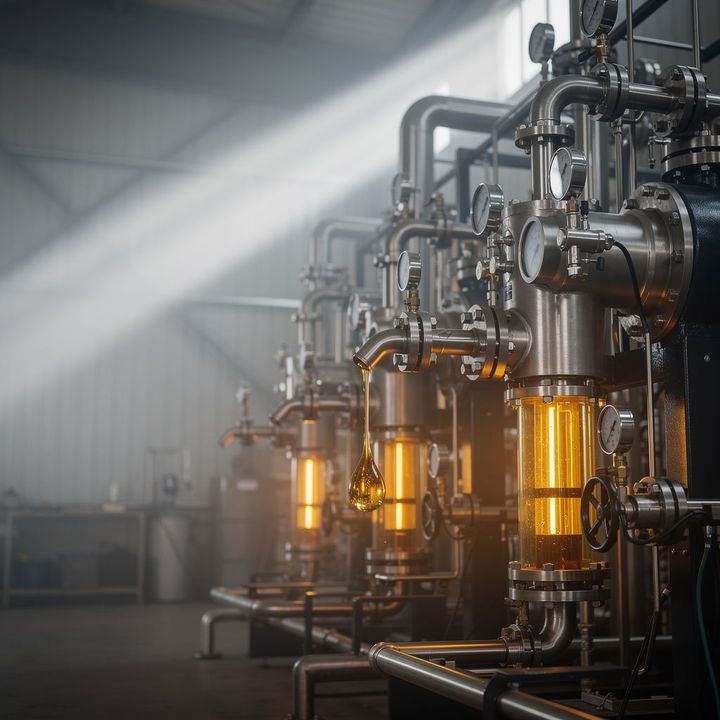
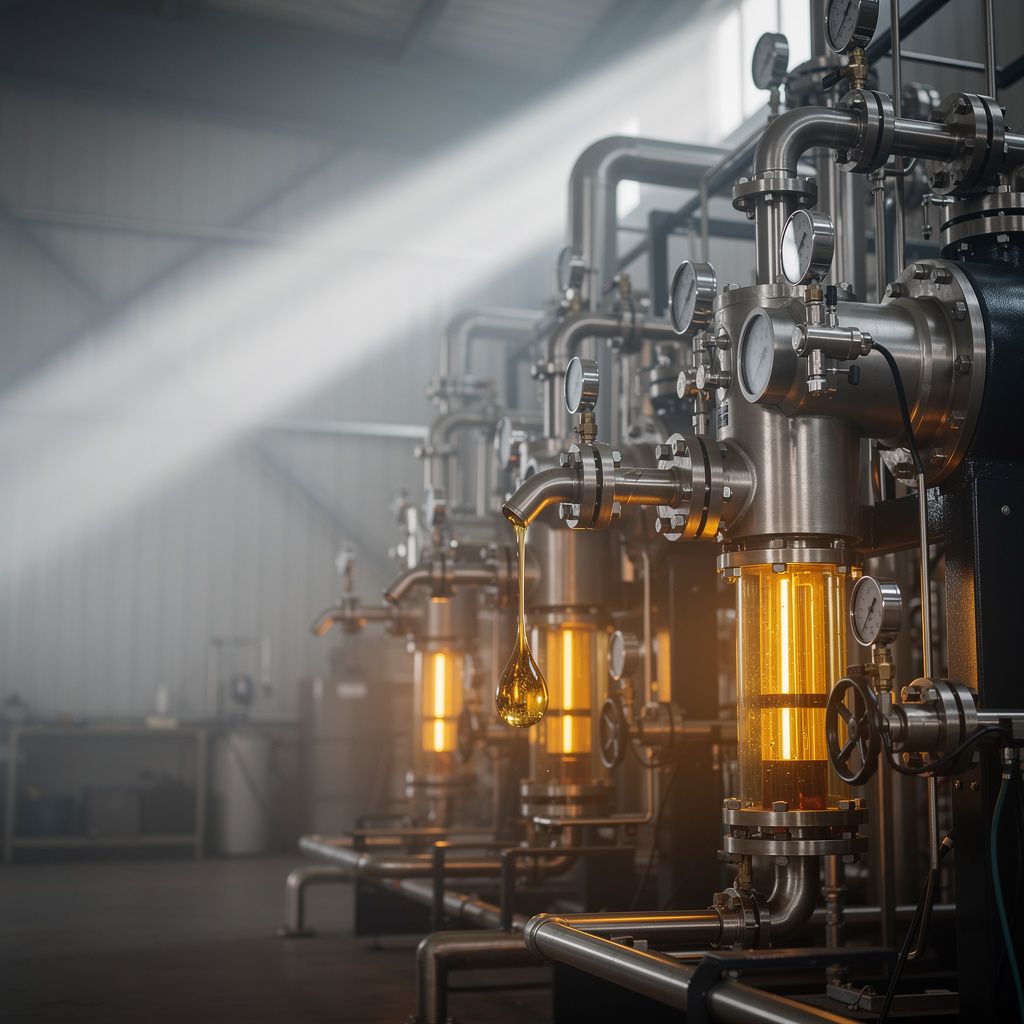
Modern oil filtering machines employ multiple filtration stages to achieve comprehensive contamination removal. The initial stage typically uses coarse filters to capture larger particles, while subsequent stages employ finer media to remove progressively smaller contaminants. Some advanced systems incorporate electrostatic separation, centrifugal force, and chemical treatment to address specific contamination types including water, acids, and oxidation products.
Benefits and Limitations of Oil Filtering Machines
Key Benefits: Oil filtering machines deliver substantial advantages to equipment owners and industrial operators. Extended equipment lifespan results from reduced wear caused by contaminant-free oil circulation. Improved machinery performance and efficiency occur when clean oil maintains optimal lubrication properties. Reduced maintenance costs emerge from fewer component replacements and repairs. Enhanced safety standards are achieved through proper oil condition management. Environmental benefits include reduced oil disposal frequency and improved waste management practices.
Operational Limitations: Initial capital investment represents a significant consideration for many facilities. Ongoing maintenance requirements demand regular filter replacement and system monitoring. Space constraints may limit installation options in compact facilities. Energy consumption adds to operational costs, particularly for continuous-operation systems. Some filtration technologies work better with specific oil types, requiring compatibility assessment before implementation.
Types of Oil Filtering Machines
Different filtration technologies serve specific applications and contamination challenges. Understanding available options helps match equipment to your operational needs and budget constraints.
Mechanical Filtration Systems
These traditional systems use physical filter media to capture particles through mechanical trapping. Paper, synthetic, and mesh filters are most common, offering cost-effective solutions for standard contamination removal. Mechanical filters excel at removing solid particles but provide limited effectiveness against water and oxidation products.
Centrifugal Separation Systems
High-speed spinning separates contaminants by density, with heavier particles moving outward while clean oil remains at the center. These systems effectively remove fine particles and some water content without requiring frequent filter replacement. Centrifugal machines work well for continuous operation and high-volume applications.
Vacuum Dehydration Systems
These specialized machines remove water and volatile compounds through reduced pressure environments. Vacuum systems prove particularly valuable for moisture-sensitive applications like transformer maintenance and hydraulic systems where water contamination causes significant damage.
Electrostatic Precipitation Systems
Electric charge attracts and captures fine particles, achieving filtration to submicron levels. These advanced systems offer superior contamination removal but require more sophisticated maintenance and higher operational costs.
Current Industry Trends
The oil filtering industry continues evolving with technological advances and changing operational demands. Portable filtration units are gaining popularity, allowing on-site oil conditioning without equipment shutdown. Smart monitoring systems with real-time contamination sensors enable predictive maintenance strategies. Environmentally conscious designs focus on reducing energy consumption and improving waste handling. Integration with industrial IoT platforms allows remote monitoring and automated reporting of oil condition parameters. Manufacturers increasingly develop multi-stage systems addressing multiple contamination types simultaneously, improving overall effectiveness.
Essential Features and Specifications
| Feature | Importance | Typical Range |
|---|---|---|
| Filtration Micron Rating | Determines particle size removal capability | 3-100 microns |
| Flow Rate Capacity | Matches equipment oil circulation requirements | 5-500 gallons per hour |
| Water Removal Capability | Addresses moisture contamination | 100-1000 ppm removal |
| Operating Temperature Range | Ensures system functionality in various conditions | 32°F to 122°F typical |
| Filter Life Expectancy | Affects maintenance frequency and costs | 500-5000 operating hours |
Leading Equipment Manufacturers
Numerous manufacturers produce oil filtering machines ranging from small portable units to large industrial systems. Major industry players offer comprehensive product lines addressing different applications, contamination levels, and budget requirements. Leading manufacturers provide technical support, replacement filter availability, and system integration services. When evaluating manufacturers, consider warranty coverage, service network accessibility, spare parts availability, and technical expertise. Many manufacturers offer demonstration units and trial periods, allowing facilities to assess system performance before full commitment.
Selecting the Right Oil Filtering Machine
Proper equipment selection requires evaluating multiple factors aligned with your specific operational needs. Begin by assessing your current oil contamination challenges and target cleanliness levels. Calculate the volume of oil requiring filtration and the frequency of treatment needed. Determine available space for equipment installation and power supply requirements. Evaluate budget constraints including initial purchase cost, ongoing maintenance expenses, and filter replacement costs.
Consider your oil type and any special treatment requirements such as water removal or oxidation product elimination. Assess whether portable or stationary installation better serves your operations. Review manufacturer support and service availability in your region. Compare filtration technologies and their effectiveness for your specific contamination profile. Request performance data and case studies from similar operations.
Practical Implementation Tips
Pre-Installation Considerations
- Conduct baseline oil analysis to establish current contamination levels
- Establish target cleanliness standards aligned with equipment manufacturer recommendations
- Prepare installation space with adequate ventilation and electrical access
- Develop training protocols for equipment operators and maintenance staff
- Create maintenance schedules for filter replacement and system inspection
Operational Best Practices
- Monitor oil condition regularly through scheduled analysis testing
- Replace filters according to manufacturer specifications or condition indicators
- Maintain proper system temperature for optimal filtration performance
- Keep detailed records of maintenance activities and filter replacement dates
- Train staff on recognizing system performance issues and alert indicators
Maintenance and Troubleshooting Checklist
- ✓ Schedule monthly visual inspections for leaks or damage
- ✓ Monitor pressure gauges for filter saturation indicators
- ✓ Test oil samples quarterly to verify filtration effectiveness
- ✓ Replace filters before reaching maximum saturation levels
- ✓ Clean or replace intake strainers to prevent system blockage
- ✓ Verify electrical connections and power supply stability
- ✓ Document all maintenance activities in system logbooks
Frequently Asked Questions
How often should oil filters be replaced?
Filter replacement frequency depends on contamination levels, oil volume, and equipment usage intensity. Typical replacement intervals range from 500 to 5000 operating hours. Regular oil analysis testing provides accurate data for determining optimal replacement timing, preventing premature changes while ensuring adequate contamination control.
What is the difference between micron ratings and filtration effectiveness?
Micron rating indicates the size of particles a filter can theoretically capture, with lower numbers indicating finer filtration. However, actual effectiveness depends on filter media type, oil viscosity, flow rate, and contamination characteristics. A 10-micron filter doesn't necessarily remove all 10-micron particles; efficiency typically ranges from 50-95% depending on these factors.
Can oil filtering machines remove water from oil?
Standard mechanical filters provide minimal water removal. Specialized systems like vacuum dehydration, centrifugal separation, and some advanced multi-stage machines effectively remove water content. Selection depends on your water contamination levels and equipment sensitivity to moisture.
What is the typical cost range for oil filtering machines?
Portable filtration units range from modest investments for basic mechanical systems to substantial costs for advanced multi-stage equipment. Industrial-scale systems represent larger capital investments. Ongoing costs include filter replacements, maintenance, and energy consumption. Evaluate total cost of ownership including these factors when assessing equipment value.
How do I know if my equipment needs an oil filtering system?
Signs indicating filtration system benefit include frequent equipment maintenance, high contamination levels in oil analysis results, visible oil discoloration, equipment performance degradation, or manufacturer recommendations for specific cleanliness standards. Professional oil analysis testing provides definitive data for this assessment.
What safety considerations apply to oil filtering machines?
Proper grounding prevents static electricity hazards during oil transfer. Adequate ventilation removes vapors and maintains air quality. Regular maintenance prevents equipment malfunction and leaks. Staff training ensures safe operation and emergency procedures. Follow manufacturer safety guidelines and applicable workplace safety regulations.
Conclusion
Oil filtering machines represent valuable investments for maintaining equipment performance, extending machinery lifespan, and reducing operational costs across industrial and commercial applications. Understanding available filtration technologies, their capabilities and limitations, and proper selection criteria enables informed decision-making aligned with your specific operational needs. Whether addressing existing contamination challenges or implementing preventive maintenance strategies, appropriate oil filtration systems deliver substantial benefits through improved equipment reliability, reduced downtime, and enhanced operational efficiency. By evaluating your contamination profile, budget constraints, and operational requirements, you can select and implement an oil filtering solution that optimizes equipment performance and supports long-term business success.