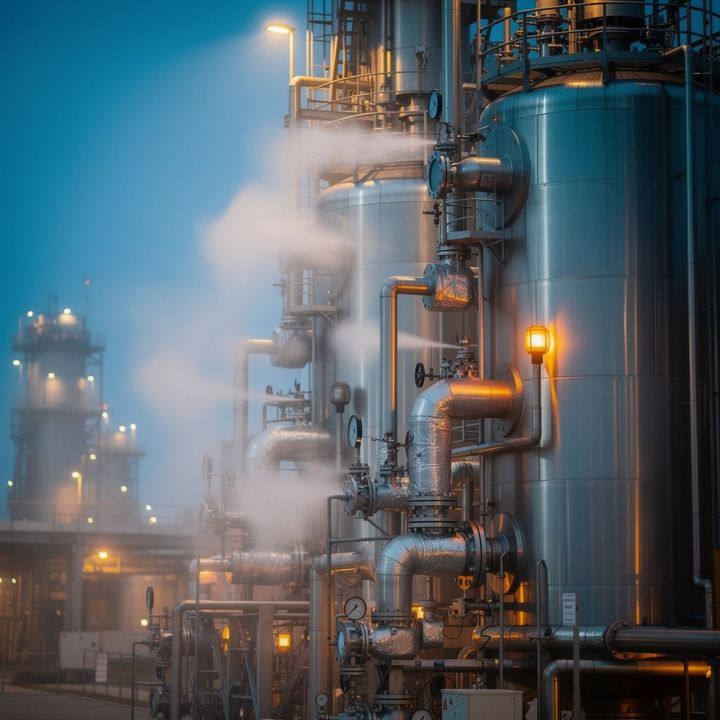
Chemical Reactors: Ultimate Guide to Industrial Applications
Explore chemical reactors, their types, applications, and key features. Learn how these essential industrial vessels drive modern manufacturing and chemical production processes.
Chemical reactors are the heart of industrial chemical production, serving as specialized vessels where chemical reactions occur under precisely controlled conditions. These sophisticated pieces of equipment are essential across numerous industries, including pharmaceuticals, petrochemicals, food processing, and environmental treatment. Understanding the fundamentals of chemical reactors—their types, design principles, and operational characteristics—is crucial for anyone involved in chemical manufacturing or process engineering. This guide provides a comprehensive overview of chemical reactors, helping you understand their role in modern industry and the factors that influence their selection and operation.
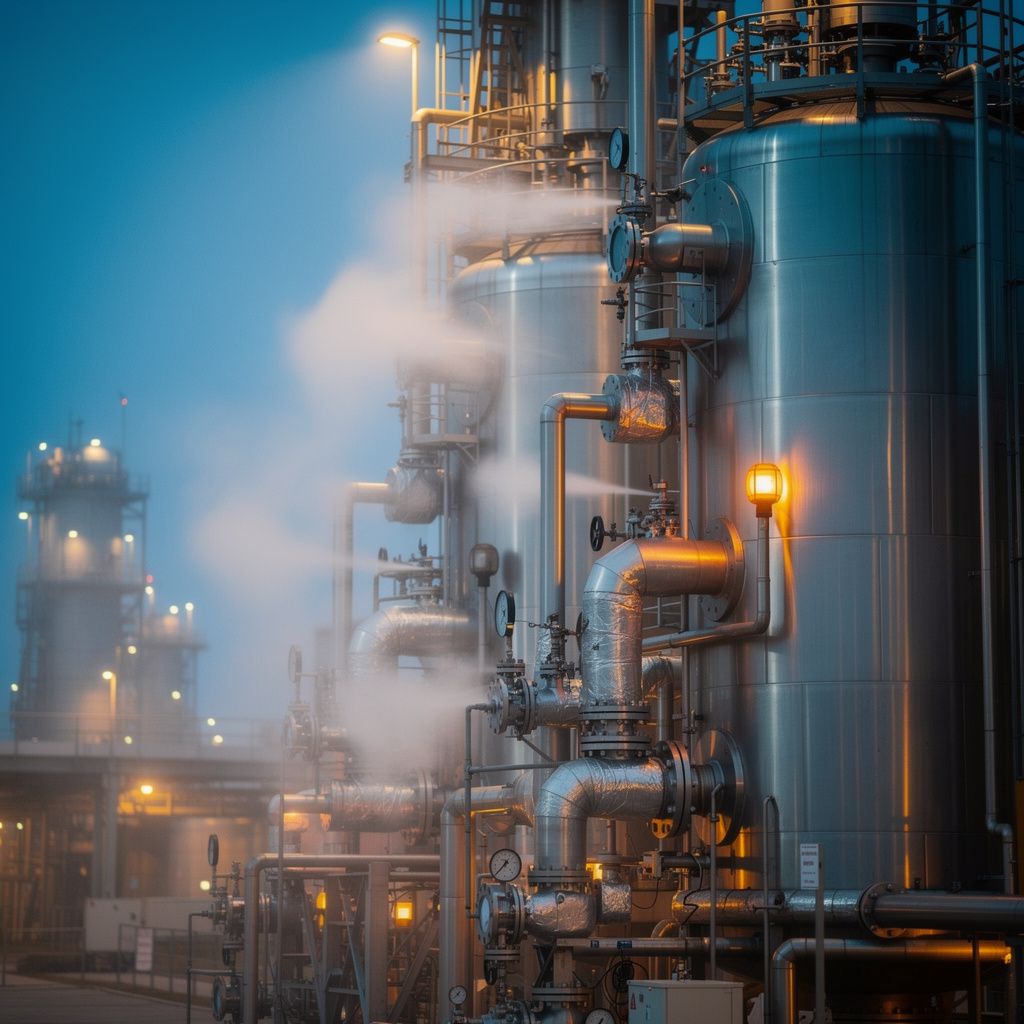
Benefits and Limitations of Chemical Reactors
Chemical reactors offer significant advantages in industrial applications. They enable precise control over reaction conditions such as temperature, pressure, and residence time, which directly impact product quality and yield. By maintaining optimal conditions, reactors maximize conversion rates and minimize unwanted byproducts. Additionally, reactors provide safety advantages by containing potentially hazardous reactions in controlled environments, protecting workers and the surrounding community.
However, chemical reactors also present certain limitations. Initial capital investment can be substantial, particularly for specialized reactor types. Scaling reactions from laboratory to industrial scale requires careful engineering and often involves unexpected challenges. Some reactors may have limited flexibility for processing different chemistries, and maintenance requirements can be significant. Understanding both benefits and constraints helps in making informed decisions about reactor selection and operation.
Types of Chemical Reactors
Chemical reactors are broadly categorized based on their operational mode and design characteristics. Each type serves specific industrial needs and offers distinct advantages for particular applications.
Batch Reactors
Batch reactors are the most versatile and widely used reactors in chemical industries. In batch operation, all reactants are charged into the reactor at the beginning, mixed, and allowed to react for a specified time before the products are discharged. This type offers excellent flexibility for processing multiple chemistries and is ideal for specialty chemicals, pharmaceuticals, and fine chemicals production. Batch reactors allow for easy monitoring and adjustment of reaction parameters, making them preferred for research and development activities.
Continuous Flow Reactors
Continuous flow reactors operate with constant feed streams of reactants and continuous removal of products. These reactors are optimized for high-volume production and offer superior heat transfer efficiency and product consistency. Common types include stirred-tank reactors (CSTR) and plug flow reactors (PFR). Continuous reactors are ideal for large-scale commodity chemical production, where consistent product quality and high throughput are paramount.
Specialized Reactor Types
Specialized reactors address specific industrial challenges. Fluidized bed reactors excel in gas-solid reactions and offer excellent heat transfer. Tubular reactors are suitable for reactions requiring short residence times. Membrane reactors combine reaction and separation in a single unit, enhancing efficiency. Microreactors enable precise control at small scales and are increasingly used in pharmaceutical synthesis and fine chemical production.
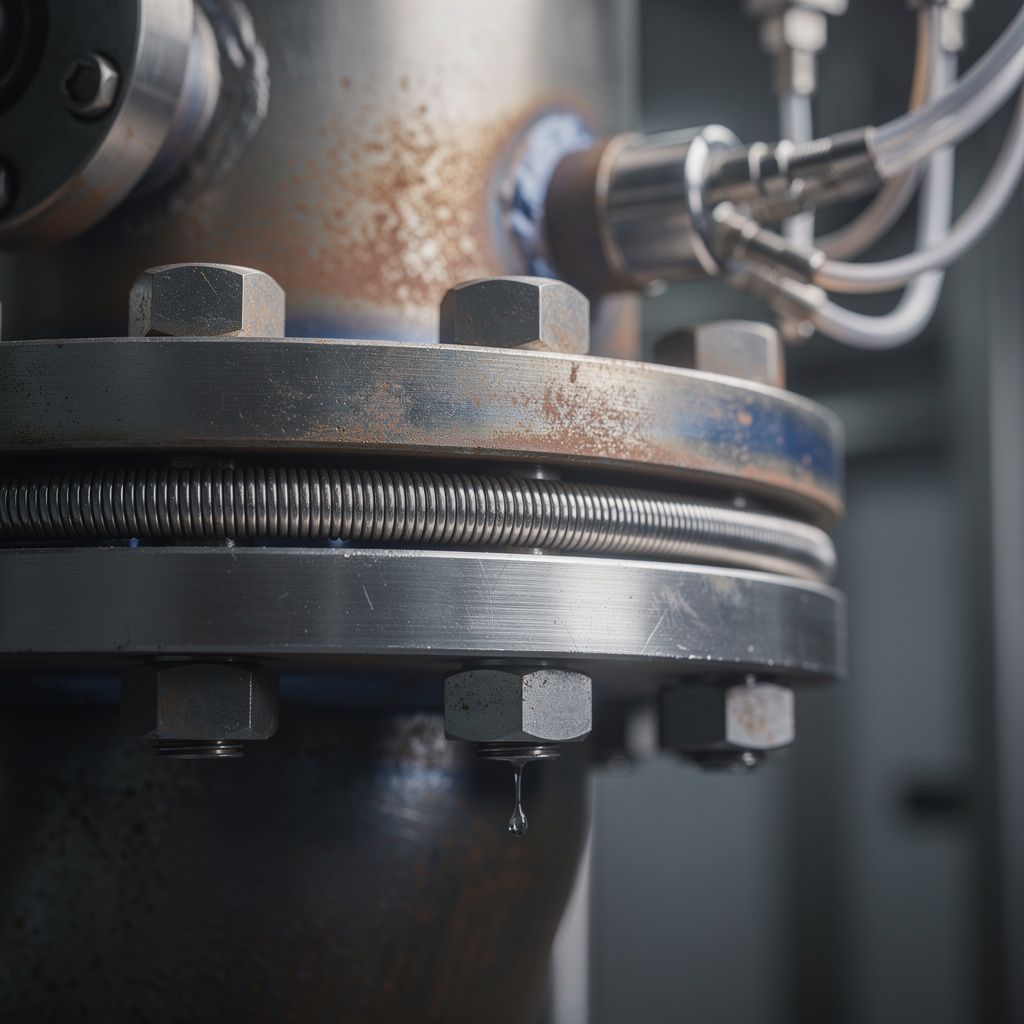
Current Trends in Reactor Technology
The chemical reactor industry continues to evolve with advancing technology and changing industrial needs. Process intensification is a major trend, with engineers designing reactors that achieve higher productivity in smaller volumes. Green chemistry principles are driving development of reactors that minimize waste and energy consumption. Digital transformation is enabling real-time monitoring and optimization of reactor performance through advanced sensors and data analytics. Additionally, modular and scalable reactor designs are gaining traction, allowing industries to adapt quickly to changing production demands.
Key Features and Design Considerations
Effective chemical reactors incorporate several critical design features. Temperature control systems, including cooling jackets and internal coils, maintain optimal reaction conditions. Mixing systems ensure uniform reactant distribution and reaction rates. Pressure vessels are designed to safely contain reactions at elevated pressures. Instrumentation for monitoring temperature, pressure, pH, and other parameters provides essential operational data. Material selection is crucial, as reactor internals must withstand corrosive chemicals and elevated temperatures without degrading.
Reactor Selection Checklist
- Define reaction kinetics and thermodynamic requirements
- Determine required production scale and throughput
- Assess heat transfer and cooling requirements
- Evaluate mixing intensity and residence time needs
- Consider material compatibility with reactants and products
- Assess safety and containment requirements
- Evaluate maintenance accessibility and downtime tolerance
- Review capital and operating cost constraints
- Verify regulatory compliance and environmental considerations
- Plan for future scalability and flexibility
Comparison of Major Reactor Types
| Reactor Type | Production Scale | Flexibility | Heat Transfer | Best Applications |
|---|---|---|---|---|
| Batch | Low to Medium | Excellent | Good | Specialty chemicals, pharmaceuticals |
| CSTR | High | Moderate | Excellent | Commodity chemicals, polymerization |
| Plug Flow | High | Low | Good | Gas-phase reactions, cracking |
| Fluidized Bed | High | Moderate | Excellent | Gas-solid reactions, catalytic processes |
| Microreactor | Low | Excellent | Excellent | Fine chemicals, pharmaceuticals, R&D |
Industries and Applications
Chemical reactors serve diverse industrial sectors. The pharmaceutical industry relies on batch reactors for controlled synthesis of active pharmaceutical ingredients. Petrochemical plants employ large-scale continuous reactors for cracking and polymerization processes. Food and beverage industries use reactors for fermentation and processing. Environmental treatment facilities utilize reactors for wastewater treatment and pollution control. Specialty chemical manufacturers depend on flexible batch systems for diverse product portfolios.
Best Practices for Reactor Operation and Maintenance
Optimal reactor performance requires adherence to established operational guidelines. Regular monitoring of temperature, pressure, and other critical parameters ensures reactions proceed as intended. Preventive maintenance schedules reduce unexpected downtime and extend equipment life. Proper cleaning and passivation procedures maintain reactor integrity and prevent contamination. Training operators on correct procedures and safety protocols is essential for safe and efficient operation. Documentation of reaction conditions and outcomes enables continuous improvement and troubleshooting.
Frequently Asked Questions
What is the difference between batch and continuous reactors?
Batch reactors process fixed quantities of reactants in discrete cycles, offering flexibility and easy changeover between different products. Continuous reactors maintain steady-state operation with constant feed and product streams, providing higher throughput and better consistency for large-scale production.
How does reactor size affect reaction rates?
Reactor size influences heat transfer efficiency, mixing intensity, and residence time. Larger reactors may experience temperature gradients and incomplete mixing, while smaller reactors offer better control but lower absolute production capacity. Proper scaling requires careful consideration of these factors.
What materials are typically used in reactor construction?
Common reactor materials include stainless steel for general applications, carbon steel for non-corrosive environments, and specialized alloys like Hastelloy or titanium for highly corrosive chemistries. Material selection depends on the specific chemicals involved and operating conditions.
How is temperature controlled in chemical reactors?
Temperature control is achieved through cooling jackets surrounding the reactor vessel, internal cooling coils, or external heat exchangers. For exothermic reactions, cooling systems remove excess heat. For endothermic reactions, heating systems supply required thermal energy.
What safety considerations are important for reactor operation?
Safety considerations include proper pressure relief systems, emergency shutdown procedures, containment of hazardous materials, operator training, and compliance with relevant safety standards. Regular inspections and maintenance ensure safety systems function properly.
How do you scale a reaction from laboratory to industrial scale?
Scaling requires understanding reaction kinetics, heat transfer characteristics, and mixing requirements at different scales. Pilot-scale testing helps identify potential issues before full-scale production. Computational modeling and engineering analysis support the scaling process.
Conclusion
Chemical reactors are indispensable equipment in modern industrial chemistry, enabling controlled synthesis of countless products that society depends upon. Whether you're selecting a reactor for a new process, optimizing existing operations, or developing new chemistries, understanding reactor types, design principles, and operational best practices is essential. The choice between batch and continuous systems, consideration of heat transfer and mixing requirements, and attention to material compatibility all contribute to successful reactor performance. As industries continue to emphasize efficiency, sustainability, and safety, reactor technology continues to advance, offering new possibilities for chemical manufacturing. By applying the principles and insights outlined in this guide, professionals can make informed decisions that optimize production, ensure safety, and drive innovation in chemical manufacturing.