CNC Machine Manufacturers: Technology, Trends and Industry Guide
CNC machine manufacturers develop computer-controlled equipment used for accurate, repeatable machining across automotive, aerospace, electronics, engineering, and other industries.
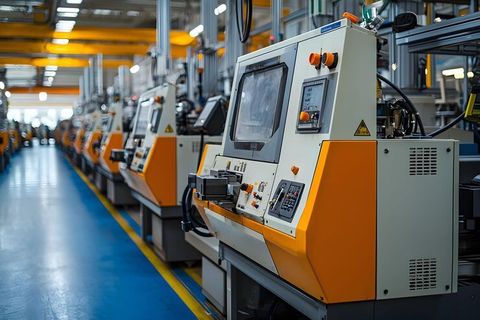
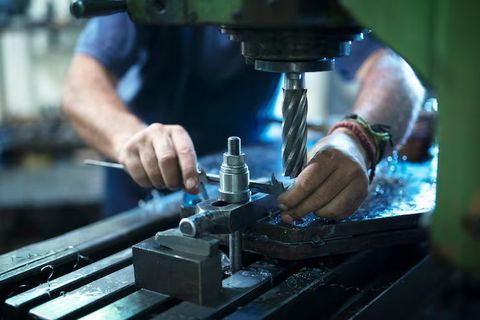
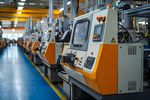
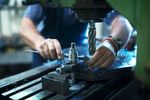
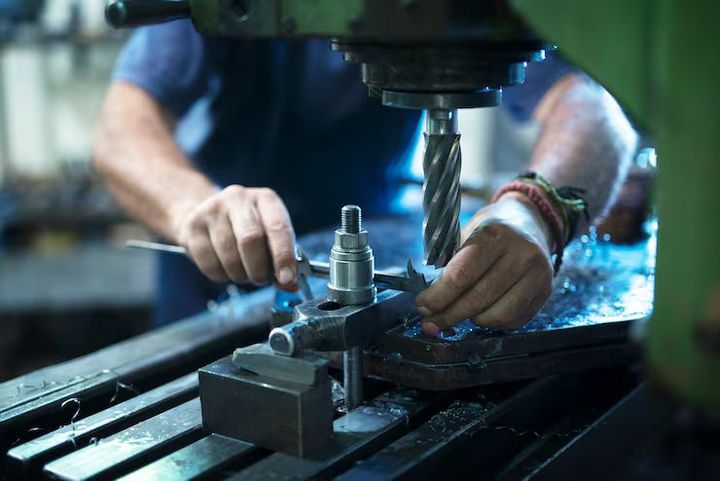
CNC machine manufacturers design and produce computer numerical control equipment that automates machining operations. CNC technology allows programmed instructions to control movements such as cutting, drilling, milling, turning, grinding, and shaping.
The technology developed from traditional machine tools into highly automated manufacturing systems. Modern CNC machining equipment can combine computer controls, sensors, automated tool handling, measurement systems, and production data.
Common categories include:
- CNC milling machines
- CNC turning machines
- CNC machining centers
- CNC grinding machines
- CNC drilling systems
- Multi-axis machining equipment
- CNC metal cutting machines
Manufacturers in this field may focus on general-purpose equipment or specialized precision machining technology for particular industrial applications.
Why CNC Machine Manufacturers Matter Today
CNC machines are important because modern manufacturing requires consistent dimensions, repeatable processes, and efficient production of complex components.
Industries using CNC equipment include automotive manufacturing, aerospace, medical-device production, electronics, energy equipment, defense manufacturing, and general engineering.
For manufacturers, CNC technology can address several production challenges:
- Machining complex geometries
- Maintaining dimensional consistency
- Supporting automated production
- Reducing manual intervention
- Recording manufacturing data
- Producing small or large component batches
- Integrating machining with digital manufacturing systems
India's Ministry of Heavy Industries describes machine tools as a foundational part of the capital-goods sector because they provide equipment used throughout manufacturing.
Government data reported that India's machine-tool production reached ₹14,286 crore in 2024–25, while imports were ₹18,686 crore and exports were ₹1,472 crore. These figures illustrate the continuing importance of machine-tool manufacturing and technology development in India.
Recent CNC Manufacturing Trends
One major trend is the integration of CNC automation, robotics, industrial IoT, artificial intelligence, and data monitoring. These technologies are helping connect machining equipment with broader smart-manufacturing systems.
In February 2026, the Office of the Principal Scientific Adviser and Ministry of Heavy Industries held a stakeholder consultation on an Advanced Manufacturing Systems Mission. Discussions specifically included CNC machine tools and controllers, advanced machines, testing and metrology, robotics, and robotic arms.
India's Ministry of Heavy Industries has also reported growing adoption of CNC and hybrid smart tools, including integration with robotics, additive manufacturing, and advanced materials processing.
Another important development is greater attention to domestic technology capabilities. Government discussions during 2025–2026 have highlighted import dependence and technology gaps within parts of the capital-goods sector.
Laws, Standards, and Policies in India
CNC machine manufacturers in India may need to consider applicable Indian Standards, machinery safety requirements, electrical requirements, and product-specific Quality Control Orders.
The Bureau of Indian Standards explains that some products become subject to mandatory conformity requirements when the Central Government issues a relevant Quality Control Order.
The Machinery and Electrical Equipment Safety (Omnibus Technical Regulation) Amendment Order, 2025 states that the applicable regulation is to apply from September 1, 2026 to machines and electrical equipment covered by its schedule.
BIS also provides specific certification guidance for machinery, including metal-cutting machines, under its conformity-assessment framework.
Manufacturers should therefore identify the standards applicable to their particular machine category rather than assuming that one certification applies to every CNC machine.
Tools and Resources for CNC Manufacturing
Useful resources for understanding and planning CNC manufacturing include:
- CAD software for component design
- CAM software for toolpath development
- CNC programming simulators
- G-code verification tools
- Coordinate measuring systems
- Machine monitoring dashboards
- Cutting-parameter calculators
- Tool-life tracking templates
- Production planning spreadsheets
- Metrology and inspection documentation
A useful starting point for standards research is the BIS “Know Your Standard” platform, which allows users to search standards by keyword or Indian Standard number.
Frequently Asked Questions
What does a CNC machine manufacturer do?
A CNC machine manufacturer develops and produces computer-controlled machine tools, including milling machines, turning machines, machining centers, and related equipment.
Which industries use CNC machines?
Automotive, aerospace, electronics, energy, defense, engineering, and other manufacturing industries commonly use CNC equipment.
What is CNC machining?
CNC machining is a manufacturing process in which programmed computer instructions control machine-tool movements to remove or shape material.
What is multi-axis CNC machining?
Multi-axis CNC machining allows controlled movement across several machine axes. It can support complex components and reduce the need for repeated repositioning.
Are CNC machines subject to Indian standards?
Some machinery and related equipment can be subject to applicable Indian Standards, conformity requirements, or safety regulations. The exact requirements depend on the machine category and applicable regulations.
Conclusion
CNC machine manufacturers play an important role in modern industrial production by developing equipment capable of precise, repeatable, and increasingly automated machining. Current developments in India are emphasizing advanced manufacturing, CNC controllers, robotics, digital technologies, testing, and domestic technological capabilities. Understanding machine categories, manufacturing applications, applicable standards, and digital tools can help readers better evaluate the role of CNC technology within modern manufacturing.
Disclaimer:
This article is provided for general educational purposes. Regulations, standards, certification requirements, and government programs can change. Readers should verify the requirements applicable to a particular CNC machine, industry, or manufacturing activity with the relevant authorities before making compliance decisions.