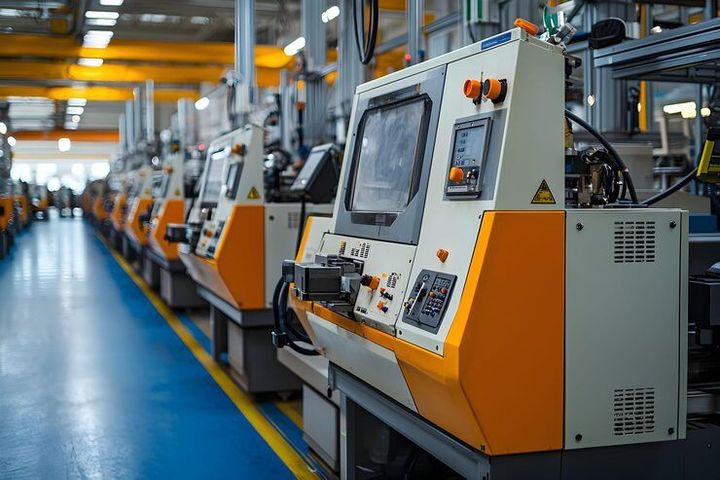
Manufacturing Automation Equipment: Complete Industry Guide
Manufacturing automation equipment combines machines, robotics, sensors, controls, and software to improve production consistency, safety, monitoring, and efficiency.
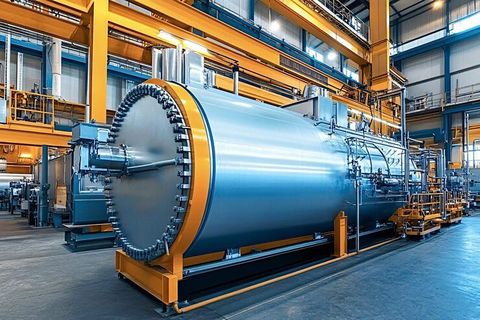
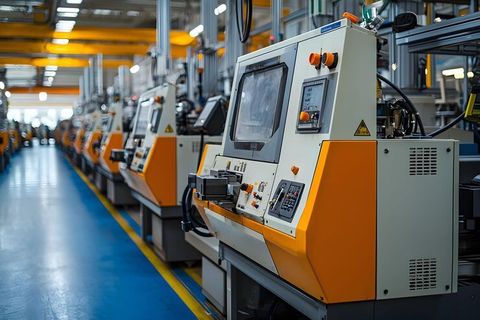
Manufacturing automation equipment refers to technologies that perform or control production activities with limited manual intervention. It can include industrial robots, programmable logic controllers (PLCs), automated conveyors, machine vision systems, sensors, robotic arms, CNC equipment, automated material-handling systems, and industrial control software.
The main purpose is to make repetitive or highly controlled manufacturing processes more consistent. Automation can also help manufacturers collect production data, monitor equipment conditions, improve quality control, and coordinate different stages of a production line.
Modern systems increasingly combine mechanical equipment with software, industrial networking, artificial intelligence, and real-time data analysis.
Why Manufacturing Automation Matters
Manufacturing automation equipment is relevant to automotive, electronics, food processing, pharmaceuticals, packaging, metals, plastics, and other industrial sectors.
Common applications include:
- Robotic assembly and material handling
- Automated inspection and machine vision
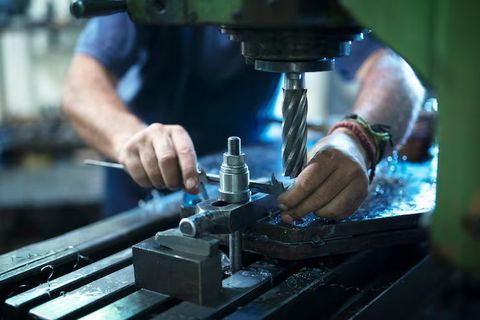
- CNC machining and process control
- Conveyor and warehouse automation
- Packaging and palletizing
- Predictive equipment monitoring
- Automated production-line scheduling
Automation can address repetitive work, inconsistent processes, production bottlenecks, and difficulties in maintaining uniform quality. It can also provide production data that helps engineers identify downtime patterns and equipment abnormalities.
For workers, the impact depends on how a facility implements automation. Some systems remove people from hazardous or repetitive tasks, while others change existing workflows and create demand for different technical skills.
Recent Automation Trends
The automation industry has continued moving toward connected and intelligent manufacturing. In January 2026, the International Federation of Robotics identified AI and greater robot autonomy among its major robotics trends. It also reported that the global market value of industrial robot installations reached US$16.7 billion.
Several technologies are receiving increased attention:
- AI-assisted industrial robotics
- Machine vision and automated inspection
- Digital twins for production planning
- Industrial Internet of Things (IIoT)
- Edge computing for faster machine-data processing
- Predictive maintenance
- Collaborative robotic systems
These developments are gradually shifting automation from isolated machines toward connected production environments.
India's AI strategy discussion also identifies manufacturing as an important area for AI applications, including predictive maintenance, quality assurance, demand forecasting, and warehouse and in-plant logistics.
Laws, Standards, and Policies in India
In India, machinery safety and conformity requirements can apply depending on the equipment category and intended use.
The Machinery and Electrical Equipment Safety (Omnibus Technical Regulation) Order, 2024 establishes conformity requirements for specified machinery and electrical equipment. The framework references machinery risk assessment and relevant Indian Standards, including requirements involving labeling, technical documentation, and certification.
BIS also maintains Scheme-X certification information for covered machinery categories. Its current materials include guidance for machinery safety and product-specific requirements.
In July 2025, BIS circulated a draft revision of IS 15296, aligned with ISO 11161:2025, covering safety requirements for integrating machinery into manufacturing systems.
Manufacturers should therefore identify the applicable Indian Standards, conformity requirements, risk-assessment procedures, and certification obligations for specific equipment before deployment.
Tools and Resources for Automation Planning
Useful resources for studying or planning manufacturing automation include:
- PLC programming and simulation tools
- Robot-programming simulators
- Machine-vision development software
- Industrial network monitoring tools
- Digital-twin platforms
- Preventive-maintenance templates
- Production KPI dashboards
- Risk-assessment worksheets
- Equipment documentation templates
- Industrial automation training materials
Useful measurements include Overall Equipment Effectiveness (OEE), cycle time, downtime, throughput, defect rate, equipment availability, and energy consumption.
Frequently Asked Questions
What is manufacturing automation equipment?
It is equipment that automatically performs, controls, monitors, or coordinates manufacturing activities. Examples include robots, PLC-controlled machines, conveyors, sensors, vision systems, and automated inspection equipment.
What industries use automation equipment?
Automated manufacturing systems are used across automotive, electronics, packaging, food processing, metals, plastics, pharmaceuticals, and many other industries.
Does automation always require robots?
No. Automation can involve PLCs, sensors, conveyors, machine vision, CNC equipment, software, control systems, or other technologies without using industrial robots.
What is the role of AI in manufacturing automation?
AI can analyze machine and production data, identify patterns, support quality inspection, assist predictive maintenance, and help optimize certain manufacturing processes.
Why is machinery safety important?
Automation equipment can contain mechanical, electrical, thermal, and software-related hazards. Appropriate risk assessment, protective systems, operating procedures, and applicable standards help reduce these risks.
Conclusion
Manufacturing automation equipment is evolving from standalone production machines into connected systems involving robotics, sensors, industrial software, AI, and real-time data. The technology can support consistent production, quality monitoring, equipment analysis, and safer handling of certain repetitive or hazardous activities.
However, automation should be evaluated according to the specific manufacturing process, operational requirements, workforce considerations, cybersecurity needs, and applicable safety standards. In India, relevant BIS requirements and machinery regulations should also be reviewed for applicable equipment categories.
Disclaimer: This article is for general educational purposes and does not constitute engineering, legal, regulatory, or compliance advice. Specific machinery requirements can vary according to equipment type, application, and jurisdiction.