Industrial Process Pumps: A Complete Guide
Learn about industrial process pumps, their types, applications, and key features. Explore how these critical systems enhance operational efficiency in manufacturing and processing industries.
Industrial process pumps form the backbone of countless manufacturing and processing operations worldwide. These critical systems move liquids, slurries, and other fluids through complex production processes, making them indispensable for industries ranging from pharmaceuticals to food production, chemical manufacturing to water treatment. Understanding how process pumps function, their various types, and how to select the right equipment for specific applications is essential knowledge for plant managers, engineers, and maintenance professionals.
Understanding Industrial Process Pumps
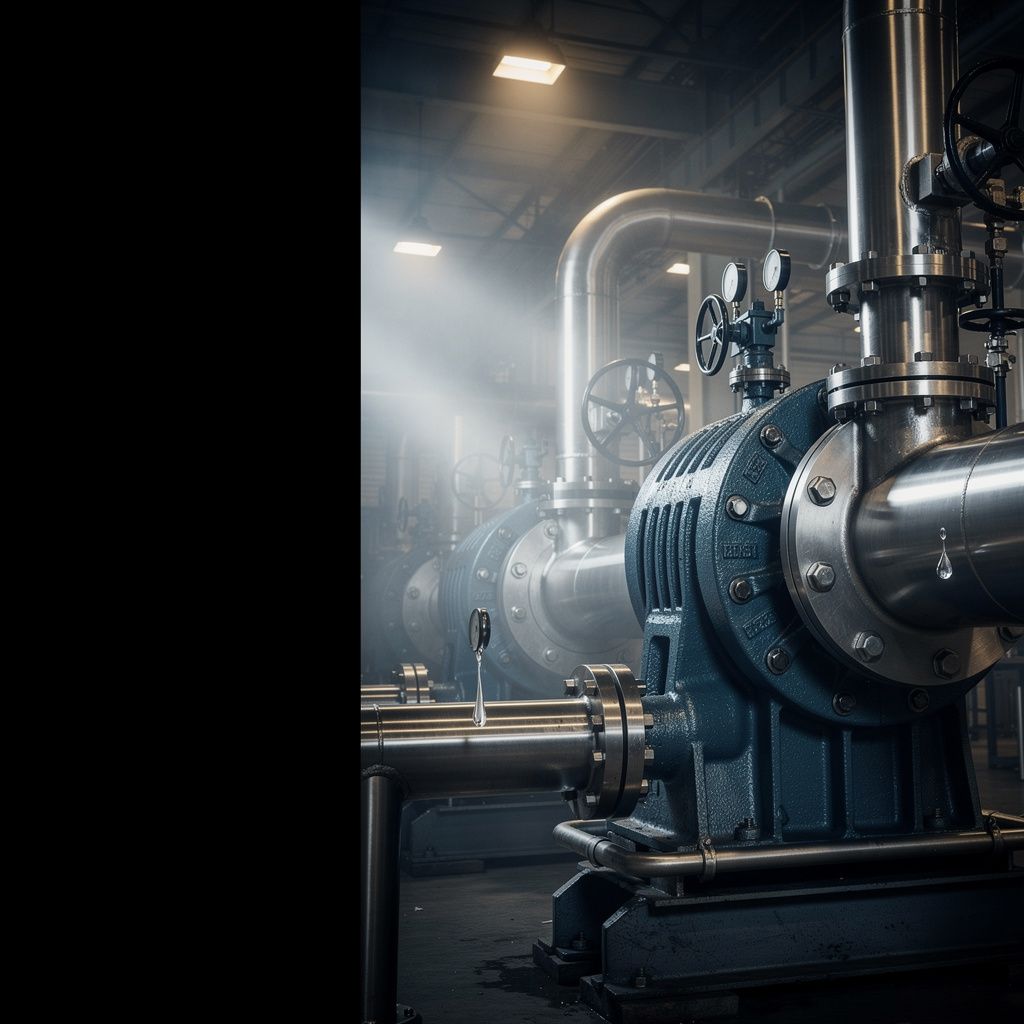
Process pumps are mechanical devices designed to move fluids from one location to another within an industrial system. Unlike simple transfer pumps, process pumps must often handle challenging conditions including high temperatures, corrosive materials, abrasive particles, and varying viscosity levels. They maintain precise flow rates and pressures required by sensitive manufacturing processes, ensuring product quality and operational consistency.
The fundamental principle behind all process pumps involves converting mechanical energy into fluid kinetic energy. This energy moves the fluid through pipes, reactors, and equipment while overcoming resistance from friction and elevation changes. Different pump designs achieve this conversion through distinct mechanisms, each suited to particular applications and fluid characteristics.
Benefits and Limitations of Process Pumps
Modern industrial process pumps offer numerous advantages that make them essential to contemporary manufacturing. They enable precise control over fluid movement, allowing operators to maintain exact specifications for production processes. This precision directly impacts product quality and consistency. Process pumps also improve operational efficiency by reducing energy consumption compared to older equipment and minimizing fluid loss through leakage.
However, process pumps also present certain limitations. They require regular maintenance to prevent failures that could halt production. Pumps handling corrosive or abrasive materials experience accelerated wear, necessitating more frequent inspections and component replacement. Additionally, selecting an incorrectly sized pump results in inefficiency and higher operating costs. Understanding these trade-offs helps operators make better equipment decisions.
Types of Industrial Process Pumps
Industrial applications utilize two primary categories of process pumps: centrifugal pumps and positive displacement pumps. Each category includes several variations designed for specific operating conditions.
Centrifugal Pumps
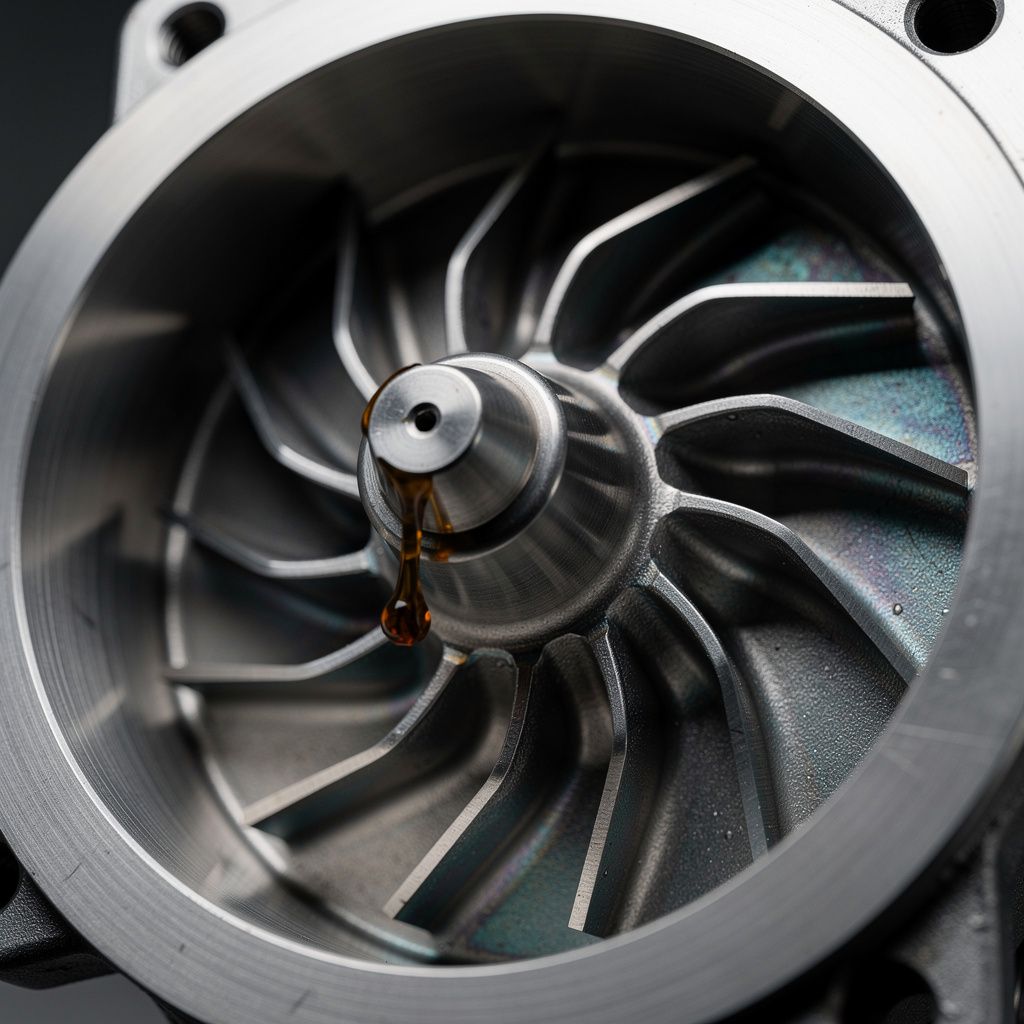
Centrifugal pumps use rotating impellers to accelerate fluid outward, converting rotational energy into pressure and flow. These pumps excel at handling large volumes of relatively low-viscosity fluids. They operate smoothly with minimal pulsation and require less maintenance than positive displacement alternatives. Common centrifugal pump varieties include end-suction, split-case, and submersible designs. Industries favor centrifugal pumps for water circulation, cooling systems, and general fluid transfer applications.
Positive Displacement Pumps
Positive displacement pumps move fixed fluid volumes with each rotation or cycle. They include gear pumps, screw pumps, piston pumps, and diaphragm pumps. These designs excel at handling high-viscosity fluids, creating high pressures, and maintaining consistent flow rates regardless of downstream pressure changes. Positive displacement pumps are preferred for metering applications, viscous fluid handling, and situations requiring precise volumetric control.
Current Industry Trends
The industrial pumping sector continues evolving to meet modern manufacturing demands. Energy efficiency has become a primary focus, with manufacturers developing pumps that reduce power consumption while maintaining performance. Variable frequency drives paired with advanced pump designs allow operators to adjust flow rates dynamically, matching actual process requirements rather than running equipment at fixed speeds.
Smart pump technology represents another significant trend. Modern pumps incorporate sensors that monitor performance parameters including temperature, vibration, and flow rate. This data enables predictive maintenance, allowing operators to schedule service before failures occur. Digital connectivity permits remote monitoring and control, enhancing operational visibility and reducing downtime.
Sustainability concerns drive innovation in pump materials and design. Manufacturers increasingly develop pumps from corrosion-resistant materials that extend service life and reduce replacement frequency. Improved seal designs minimize environmental leakage, addressing regulatory requirements and environmental stewardship goals.
Key Performance Features
Understanding pump specifications helps in selecting appropriate equipment for specific applications. Flow rate, measured in gallons per minute or cubic meters per hour, indicates the volume of fluid a pump moves. Head, expressed in feet or meters, represents the vertical distance a pump can lift fluid against gravity and friction. Pressure rating specifies the maximum operating pressure the pump can withstand safely.
Efficiency ratings indicate how effectively pumps convert input power to useful fluid movement. Higher efficiency pumps reduce energy costs and heat generation. Material composition affects pump durability when handling corrosive or abrasive fluids. Seal types determine how effectively pumps prevent leakage and contamination. Temperature ratings specify the range of fluid temperatures the pump can safely handle.
Comparison of Pump Types
| Pump Type | Best For | Flow Characteristics | Pressure Capability | Maintenance Level |
|---|---|---|---|---|
| Centrifugal | Large volumes, low viscosity | Variable with pressure | Moderate | Low |
| Gear | High viscosity, metering | Constant per revolution | High | Moderate |
| Screw | Viscous fluids, smooth flow | Constant, smooth | High | Moderate |
| Piston | High pressure applications | Constant per cycle | Very High | High |
| Diaphragm | Abrasive, corrosive fluids | Pulsating | Moderate | Moderate |
Industrial Applications and Industries
Process pumps serve diverse industrial sectors, each with unique requirements. Chemical processing facilities rely on pumps to move reactive and corrosive substances safely. Pharmaceutical manufacturers require pumps that maintain sterile conditions and precise dosing. Food and beverage producers use pumps to transfer ingredients while maintaining product integrity and food safety standards.
Water treatment plants depend on process pumps for clarification, filtration, and distribution. Oil and gas operations utilize specialized pumps for crude oil transfer and processing. Mining operations use pumps to manage slurries containing abrasive particles. Power generation facilities employ pumps for cooling water circulation and fuel handling.
Practical Selection Guidelines
Selecting appropriate process pumps requires careful analysis of application requirements. Begin by documenting the fluid characteristics including viscosity, temperature, density, and corrosiveness. Determine required flow rates and pressure conditions. Identify any special considerations such as abrasive particles, temperature variations, or regulatory requirements.
Evaluate available space and installation constraints. Consider power sources available at the installation location. Assess maintenance capabilities and spare parts availability. Calculate total cost of ownership including initial purchase price, installation, operation, and maintenance expenses over the pump's expected service life.
Selection Checklist
- Document fluid properties and characteristics
- Determine required flow rate and pressure
- Identify temperature range and operating conditions
- Assess corrosion and abrasion concerns
- Evaluate space and installation constraints
- Confirm power availability and requirements
- Review maintenance and support capabilities
- Calculate total cost of ownership
- Verify regulatory compliance requirements
- Consult with equipment manufacturers and specialists
Best Practices for Pump Operation
Proper operation extends pump service life and maintains efficiency. Establish regular monitoring routines that track flow rates, pressures, temperatures, and vibration levels. Implement preventive maintenance schedules based on manufacturer recommendations and operating experience. Keep detailed records of all maintenance activities and performance metrics to identify trends and potential issues early.
Ensure proper installation alignment between pumps and motors to prevent bearing stress and vibration. Maintain adequate suction conditions by keeping inlet lines clear and properly sized. Protect pumps from cavitation by ensuring adequate inlet pressure and avoiding excessive suction lift. Monitor seal integrity regularly and replace seals before leakage becomes problematic.
Train operators on proper startup and shutdown procedures. Ensure they understand warning signs of pump problems including unusual noise, vibration, temperature changes, or flow variations. Establish clear protocols for responding to pump failures to minimize production disruption.
Frequently Asked Questions
What causes pump cavitation and how can it be prevented?
Cavitation occurs when liquid vapor bubbles form inside the pump due to pressure dropping below the fluid's vapor pressure. These bubbles collapse violently, causing noise, vibration, and material damage. Prevention involves maintaining adequate inlet pressure, properly sizing suction lines, reducing suction lift, and ensuring adequate net positive suction head available for the specific pump and fluid.
How often should process pumps be serviced?
Service intervals depend on pump type, operating conditions, and fluid characteristics. Manufacturers typically recommend inspections every 500 to 2,000 operating hours. Pumps handling abrasive or corrosive materials may require more frequent service. Implementing condition monitoring helps determine actual service needs based on equipment performance rather than fixed schedules.
What is the difference between pump head and pressure?
Head measures the vertical distance a pump can lift fluid, expressed in feet or meters of fluid column. Pressure is the force per unit area, measured in pounds per square inch or pascals. These relate through fluid density: pressure equals head multiplied by fluid density and gravitational acceleration. Understanding both metrics is essential for proper pump selection.
Can centrifugal pumps handle viscous fluids?
Centrifugal pumps become inefficient with highly viscous fluids because their performance depends on fluid acceleration. As viscosity increases, efficiency decreases and power requirements increase substantially. For viscous fluid applications, positive displacement pumps like gear or screw pumps provide superior performance and efficiency.
What materials resist corrosion in process pumps?
Material selection depends on specific corrosive agents present. Stainless steel resists many chemical attacks. Specialized alloys handle extreme corrosion. Rubber and plastic liners protect pump internals from certain chemicals. Coatings and surface treatments extend material life. Consulting with manufacturers helps identify appropriate materials for specific chemical environments.
How does pump efficiency affect operating costs?
Pump efficiency directly impacts energy consumption. A pump operating at 70% efficiency consumes significantly more electrical power than one operating at 85% efficiency while delivering identical flow and pressure. Over months and years of continuous operation, efficiency differences translate to substantial energy cost variations. Higher efficiency pumps often justify higher initial costs through reduced operating expenses.
Conclusion
Industrial process pumps represent critical infrastructure in modern manufacturing and processing operations. Understanding the different pump types, their capabilities and limitations, and proper selection criteria enables better decision-making for equipment investment and operation. Centrifugal pumps excel at high-volume, low-viscosity applications, while positive displacement pumps handle viscous fluids and precise metering requirements. Current industry trends emphasize energy efficiency, smart technology integration, and sustainable design practices.
Successful pump operation requires attention to proper installation, regular maintenance, and skilled operator training. By implementing best practices and monitoring performance metrics, industrial facilities can maximize pump reliability, minimize downtime, and optimize operational efficiency. Whether managing existing equipment or planning new installations, the principles and insights covered in this guide provide a foundation for informed decision-making in industrial process pumping applications.