Corporate Travel Management Software With Policy Automation and International Travel Insights
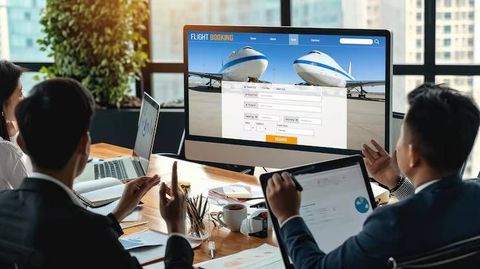
Corporate travel management software is a digital platform designed to help businesses organize, monitor, and manage employee travel activities. It brings together important travel processes, including flight reservations, hotel arrangements, employee travel approvals, expense reporting, itinerary management, and international travel information.
Instead of handling these activities through separate systems, organizations can manage multiple travel-related operations through a centralized platform.
The development of corporate travel management software is closely connected to the growth of international business operations. As companies expanded into different regions, employees increasingly needed to travel for meetings, conferences, training programs, supplier discussions, and business development activities. Managing these arrangements manually became more complicated, particularly when employees followed different booking procedures or traveled across international borders.
Modern corporate travel platforms combine booking technology, policy automation, reporting tools, and travel information. They allow organizations to establish internal travel guidelines while giving employees access to approved travel arrangements. These systems also help travel managers understand international travel patterns, monitor organizational spending, and maintain visibility into employee itineraries.
How Corporate Travel Management Software Works
A corporate travel management platform generally connects several functions within one digital environment. Employees can review available travel arrangements, submit booking requests, receive approval notifications, and access their itineraries.
The software may include the following functions:
Travel booking management: Organizes flight, accommodation, and ground transportation arrangements.
Policy automation: Applies company travel rules during booking and approval processes.
Expense management: Records travel-related expenses and organizes financial documentation.
Employee travel tracking: Provides visibility into employee itineraries and travel locations.
International travel insights: Displays destination information, travel patterns, and potential disruptions.
Reporting dashboards: Organizes travel activity, departmental spending, and policy compliance information.
Depending on the platform, these functions may connect with accounting applications, human resource systems, payment platforms, and external travel information providers.
Importance
Corporate travel management software has become increasingly relevant as organizations operate across international markets. Employees may travel between multiple countries, requiring coordination involving different airlines, accommodation providers, currencies, time zones, and entry requirements.
Without centralized management, travel arrangements can become difficult to monitor. Employees might book outside approved channels, managers may receive incomplete expense information, and organizations may struggle to identify travelers during unexpected disruptions.
Who Benefits From Corporate Travel Management Software?
Different organizational groups use these platforms for different purposes.
Employees: Access travel itineraries, submit requests, review company guidelines, and receive important notifications.
Travel managers: Monitor reservations, coordinate travel arrangements, and evaluate policy compliance.
Finance departments: Review expense records, reconcile transactions, and prepare financial reports.
Human resource teams: Maintain employee travel information and coordinate internal approval procedures.
Senior management: Review travel activity, departmental patterns, and organizational travel requirements.
Smaller businesses may use centralized platforms to organize occasional international trips, while multinational organizations may require more advanced systems for managing employees across multiple regions.
Problems Addressed by Policy Automation
Traditional travel policies are often distributed through documents, emails, and internal communication systems. Employees may misunderstand booking limits, approval requirements, accommodation guidelines, or expense reporting procedures.
Policy automation converts these written guidelines into digital rules. For example, a company can establish different flight-class requirements based on journey duration, employee position, or organizational approval levels.
When an employee submits a travel request, the platform can evaluate the selected arrangement against the applicable policy. Requests that meet the guidelines may proceed through the normal approval process, while exceptions can be forwarded to an authorized manager.
This approach helps create consistent procedures and reduces the amount of manual checking required.
Corporate Travel Management Challenges
Organizations still face several challenges when coordinating international travel.
Changing travel arrangements: Flight cancellations, schedule changes, and accommodation disruptions require timely communication.
Multiple currencies: International transactions create additional accounting and reconciliation requirements.
Policy differences: Regional offices may follow different travel guidelines.
Data management: Employee passport details, itineraries, and financial information require appropriate protection.
Travel visibility: Organizations need accurate information about employee locations during unexpected events.
Centralized software can organize these processes, although its effectiveness depends on accurate information, appropriate configuration, and employee participation.
Recent Updates
Corporate travel management technology has continued to develop through artificial intelligence, automated workflows, improved airline distribution, and integrated travel analytics. Developments across 2024–2026 indicate a broader movement toward connected platforms that support both employee convenience and organizational oversight.
Artificial Intelligence and Automated Travel Planning
Artificial intelligence is increasingly being incorporated into corporate travel management software. AI-powered tools can help compare travel arrangements, summarize itineraries, identify possible disruptions, and assist with routine administrative activities.
Some platforms also use predictive analysis to identify patterns in travel activity. For example, historical booking information can help organizations understand seasonal travel demand or identify frequently used international routes.
However, AI-generated information requires appropriate review. Incorrect destination details, outdated travel requirements, or inaccurate booking suggestions can create difficulties for employees. Organizations therefore need clear guidelines regarding approved AI tools and human oversight.
New Distribution Capability and Airline Content
New Distribution Capability (NDC) is an airline distribution standard developed through the International Air Transport Association. It supports improved communication between airlines and travel distribution platforms.
For corporate travel management systems, NDC can help improve access to airline information, including different fare options and additional travel-related features.
Its implementation is still evolving across airlines and booking platforms. Organizations need to consider whether their selected software supports the airline content and booking processes relevant to their travel programs.
Sustainability and Travel Analytics
Environmental considerations are becoming more visible in corporate travel planning. Some platforms now include information about estimated flight emissions, alternative transportation arrangements, and sustainability-related travel indicators.
Travel managers can use these details to examine travel patterns and understand the environmental impact of organizational journeys.
Recent industry research also highlights continued attention to traveler safety, cybersecurity, mobile booking technology, and sustainability planning.
Developments in Corporate Travel Technology
| Technology | Main Function | Organizational Application |
|---|---|---|
| AI automation | Assists with routine travel activities | Booking analysis and itinerary support |
| Policy automation | Applies internal travel guidelines | Approval and compliance management |
| Travel analytics | Examines travel information | Budget and destination analysis |
| Mobile applications | Provides access to travel information | Employee itinerary management |
| NDC integration | Connects airline distribution information | Flight content and booking management |
| Risk monitoring | Identifies travel-related disruptions | Employee safety coordination |
Laws or Policies
Corporate travel management software operates within different legal and regulatory environments. The applicable requirements depend on the organization's location, employee location, travel destination, and the type of information being processed.
Companies managing international travel must consider data protection, immigration requirements, employment policies, taxation, financial documentation, and employee safety responsibilities.
Data Protection and Employee Privacy
Corporate travel platforms may process sensitive business information, including employee names, passport details, booking records, payment information, and travel itineraries.
Data protection regulations establish requirements for collecting, storing, accessing, and transferring personal information.
For example, the General Data Protection Regulation (GDPR) applies to qualifying organizations that process personal information belonging to individuals in the European Union. It also establishes requirements for certain international transfers of personal data.
Organizations should examine:
Whether employee information is collected for a legitimate purpose.
Who can access personal travel records.
How long booking and expense information is retained.
Whether information is transferred across international borders.
What security measures protect stored information.
Artificial Intelligence Regulations
The European Union Artificial Intelligence Act introduces requirements for certain AI systems operating within its regulatory scope. Its provisions are being implemented progressively, with important requirements applying from 2025 and 2026 and some high-risk system obligations scheduled for later implementation.
Businesses using AI-enabled travel platforms should understand the applicable responsibilities, particularly where automated systems process personal information or influence organizational decisions.
Immigration and International Travel Requirements
Employees traveling internationally must follow the immigration and entry requirements of their destination countries. Depending on nationality and destination, these may include:
Passport validity requirements.
Business visa or electronic travel authorization requirements.
Permitted business activities.
Entry documentation.
Transit requirements.
Customs declarations.
Corporate travel software may provide destination information and document reminders, but immigration decisions remain subject to the relevant government authorities. Travelers should verify requirements through official government information channels before departure.
Corporate Travel Policies
Internal corporate travel policies define how employees should arrange and report business journeys. These policies commonly establish:
Booking approval procedures.
Accommodation guidelines.
Flight-class eligibility.
Ground transportation rules.
Expense documentation requirements.
Emergency communication procedures.
Software can automate parts of these rules, but organizations remain responsible for establishing appropriate policies and reviewing their compliance obligations.
Tools and Resources
Several categories of digital tools help organizations manage corporate travel activities and international travel information. The appropriate combination depends on business size, travel frequency, employee requirements, and existing technology infrastructure.
Corporate Travel Management Platforms
Platforms such as SAP Concur, Navan, and Amadeus Cytric provide different capabilities for business travel planning, expense management, booking administration, and organizational reporting.
Their features vary according to platform configuration and organizational requirements. Businesses generally evaluate booking integrations, approval workflows, reporting capabilities, mobile access, and data protection arrangements.
Travel Policy Templates
A corporate travel policy template helps organizations establish consistent internal guidelines. It can include employee eligibility, booking procedures, accommodation requirements, approval responsibilities, and expense documentation.
Templates should be adapted to the organization's internal structure and applicable regulations rather than applied without review.
International Travel Information Resources
Government travel advisory platforms provide destination-related information, including entry requirements, security notices, and travel documentation guidance.
Airline websites and airport information platforms provide flight schedules, baggage requirements, and operational updates. These resources can supplement information available through corporate travel management software.
Expense and Reporting Tools
Expense management applications help organize receipts, employee reimbursements, payment records, and departmental reports.
Financial dashboards can also display information such as:
Monthly travel expenditure.
Departmental travel activity.
International destination distribution.
Booking policy compliance.
Average trip duration.
Expense category comparisons.
These reporting functions help management understand organizational travel activity and identify areas requiring administrative attention.
FAQs
What Is Corporate Travel Management Software?
Corporate travel management software is a digital platform that helps organizations manage employee travel bookings, approval workflows, expense records, travel policies, and international itineraries.
How Does Travel Policy Automation Work?
Travel policy automation converts company guidelines into digital rules. The software evaluates travel requests against these rules and directs bookings or exceptions through the appropriate approval process.
What Features Should International Travel Management Software Include?
Important features may include international booking management, itinerary tracking, policy automation, expense reporting, currency support, travel notifications, employee tracking, and destination information.
How Does AI Improve Corporate Travel Management?
AI can assist with itinerary planning, travel information analysis, booking comparisons, and disruption notifications. Human review remains important when decisions involve employee safety, personal information, or complex travel arrangements.
Is Corporate Travel Management Software Suitable for Small Businesses?
Yes. Small businesses can use centralized travel platforms to organize employee bookings, establish approval procedures, and maintain expense records. The required functionality depends on travel frequency and organizational complexity.
Conclusion
Corporate travel management software combines booking administration, policy automation, expense reporting, and international travel information within a centralized digital environment. Developments in artificial intelligence, airline distribution technology, and travel analytics are changing how organizations coordinate business journeys. Data protection, immigration requirements, employee safety, and internal policies remain important considerations for international travel programs. Effective management depends on appropriate software configuration, accurate information, and clearly defined organizational procedures.