Lighting Control System Basics With Sensors, Controls, and Energy-Saving Technology
A lighting control system is a combination of devices, sensors, switches, and software used to manage lighting in indoor and outdoor spaces. It allows lights to operate according to occupancy, available daylight, scheduled activities, and user preferences.
Lighting control systems are used in homes, offices, factories, educational buildings, healthcare facilities, warehouses, and public spaces.
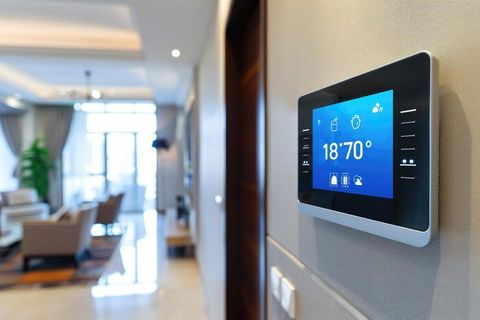
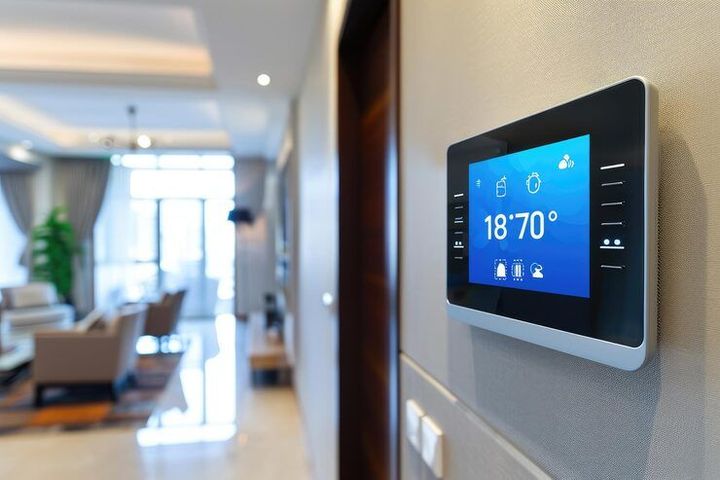
Traditional lighting relies mainly on manual switches, which require people to turn lights on or off. Modern lighting control technology introduces automation, allowing lighting levels and operating schedules to respond to changing conditions. These systems can work with LED fixtures, motion sensors, daylight sensors, dimmers, timers, and centralized control platforms.
The development of lighting controls is closely connected to improvements in electrical engineering, building automation, and energy management. As buildings became more complex, controlling individual lights manually became less practical. Automated systems emerged to help coordinate lighting across multiple rooms and larger facilities.
Today, a lighting control system can range from a simple motion-activated light to a networked platform that manages hundreds of lighting points. The design depends on building size, lighting requirements, installation conditions, and the level of automation needed.
Main Components of a Lighting Control System
Several components work together to manage lighting effectively.
Control devices: Wall switches, dimmers, keypads, and touch panels allow users to adjust lighting.
Occupancy sensors: These detect whether a person is present in a room or designated area.
Daylight sensors: These measure available natural light and help adjust artificial lighting.
Controllers: These process sensor information and apply programmed lighting settings.
Communication networks: Wired or wireless connections allow devices to exchange information.
Lighting fixtures: LED lamps and other compatible fixtures provide illumination according to the system's instructions.
Not every installation requires all these components. A small room may need only a motion sensor and compatible light, while a large commercial building may use centralized software and multiple sensor networks.
Importance
Lighting controls matter because lighting requirements change throughout the day. A corridor may need different illumination from a conference room, while a warehouse may require brighter lighting in active work areas than in temporarily unused spaces. A control system helps match lighting operation to these changing needs.
Energy management is one important application. Lights that remain on in empty rooms consume electricity without serving an immediate purpose. Occupancy-based switching, scheduled operation, and daylight-responsive dimming can reduce unnecessary lighting use when configured correctly.
Lighting controls also affect comfort, visibility, and building operation. Adjustable lighting can support different activities, such as reading, presentations, detailed inspection, and general movement. Properly configured systems can reduce the inconvenience of overly bright or insufficiently illuminated spaces.
Who Uses Lighting Control Technology?
Different building types have different control requirements.
Residential buildings: Motion sensors, dimmers, timers, and connected switches help manage room lighting.
Offices: Occupancy detection and daylight controls help coordinate lighting across workspaces and meeting rooms.
Industrial facilities: Zoned controls allow lighting to reflect activity in production areas, storage sections, and access routes.
Educational buildings: Classroom controls can adjust illumination for reading, presentations, and other activities.
Healthcare facilities: Carefully designed controls support visibility, nighttime movement, and different room functions.
Outdoor environments: Photocells, timers, and motion sensors help manage entrances, pathways, parking areas, and perimeter lighting.
Common Lighting Control Methods
Manual switching remains useful where lighting needs are predictable and automation is unnecessary. Dimming provides more precise adjustment by changing light output rather than simply switching fixtures on or off.
Occupancy-based controls respond to detected presence, while daylight harvesting adjusts electric lighting according to natural light entering a space. Time-based controls operate according to programmed schedules, and centralized systems coordinate several lighting zones through a shared interface.
A practical design may combine multiple methods. For example, an office could use occupancy sensors to switch lights off in unused rooms, daylight sensors near windows, and manual dimmers in presentation areas.
Benefits and Limitations
Lighting control technology can improve operational flexibility and reduce unnecessary electricity use. However, results depend on fixture compatibility, sensor placement, control settings, maintenance, and how people use the building.
Poorly positioned sensors may fail to detect occupants or respond to movement outside the intended area. Incorrect dimming settings can cause flickering, and overly restrictive automatic shutoff settings may inconvenience occupants. Installation planning therefore needs to consider both technical requirements and everyday activities.
Recent Updates
Recent developments in lighting control systems focus on connected devices, improved automation, interoperability, and more detailed energy monitoring. LED lighting has become an important foundation for these systems because compatible LED fixtures can support switching, dimming, and digital control.
Smart lighting platforms increasingly integrate lighting with broader building management systems. This integration can allow lighting controls to exchange information with occupancy monitoring, heating and cooling controls, and facility management software. The exact capabilities depend on the equipment and communication standards used.
Wireless and Connected Lighting
Wireless lighting controls can reduce the need for additional control wiring in suitable buildings. Technologies such as Bluetooth Low Energy, Wi-Fi, Zigbee, and other building communication protocols support different types of connected lighting applications.
Wireless operation can be useful for renovations and buildings where installing new cables is difficult. However, network coverage, device compatibility, cybersecurity, and long-term maintenance remain important considerations.
Sensor-Based Automation and Daylight Harvesting
Modern occupancy sensors use technologies such as passive infrared, ultrasonic detection, or combinations of sensing methods. Some systems can distinguish occupancy patterns more effectively than basic motion detectors, although performance varies by environment and equipment.
Daylight harvesting continues to be used in spaces with substantial natural light. A sensor measures ambient illumination and a controller adjusts compatible fixtures to maintain a selected lighting level. This approach can improve the coordination of daylight and electric lighting, particularly near windows and skylights.
Data-Driven Building Management
Networked lighting systems may record operating hours, energy consumption, faults, and device status. Facility managers can use these details to identify lights that remain active outside schedules or equipment that needs attention.
Integration with building automation can also help coordinate lighting zones with room schedules and changing occupancy. Nevertheless, collected data should be managed carefully, especially when occupancy information could reveal patterns of individual movement.
Laws or Policies
Lighting control systems are influenced by building regulations, electrical safety requirements, energy efficiency policies, and accessibility considerations. The applicable rules depend on the country, building type, installation purpose, and whether the project involves new construction or renovation.
In India, lighting installations may be affected by applicable National Building Code provisions, electrical safety requirements, and energy conservation measures. The Bureau of Energy Efficiency develops energy efficiency initiatives and guidance relevant to buildings, while the Bureau of Indian Standards publishes standards for electrical and lighting-related equipment. The specific requirements depend on the relevant regulations, adopted standards, and project circumstances.
Building Energy Efficiency Requirements
Building energy codes may address lighting power density, automatic controls, daylight-responsive operation, and the use of efficient lighting equipment. Lighting power density describes the installed lighting power relative to the illuminated floor area, commonly expressed in watts per square metre.
Some building standards require automatic controls in particular spaces or applications. These requirements can vary according to building size, occupancy, and the applicable code. A lighting control system should therefore be assessed against the rules that apply to its specific installation.
Electrical Safety and Equipment Compatibility
Electrical installations must account for wiring protection, grounding, switching capacity, and safe operation. Control devices should be compatible with the connected lighting fixtures and their electrical characteristics.
For example, an LED dimmer designed for one type of driver may not operate correctly with another. Equipment selection, installation, testing, and maintenance should follow applicable electrical requirements and manufacturer instructions.
Environmental and Efficiency Considerations
Energy efficiency initiatives encourage the use of suitable lighting equipment and effective energy management practices. Controls can complement efficient fixtures by limiting unnecessary operation, but actual energy savings depend on operating conditions and system configuration.
Compliance is not determined solely by installing sensors or connected controls. The complete lighting installation, including illumination levels, electrical safety, and applicable building requirements, may need to be considered.
Tools and Resources
Several tools help building owners, electrical designers, facility managers, and general readers understand lighting control requirements.
Lighting Design and Energy Calculation Tools
Lighting calculators estimate illumination levels, connected electrical load, and potential energy consumption. They can help compare different operating schedules or lighting configurations, although results depend on the accuracy of the entered information.
Useful tools and resources include:
Lighting layout software for planning fixture placement and illumination distribution.
Energy consumption calculators for estimating electricity use from lighting wattage and operating hours.
Occupancy sensor selection guides for matching detection technology to room size and movement patterns.
Lighting control configuration software for setting schedules, dimming levels, and automation rules.
Building energy modelling tools for evaluating lighting alongside other building systems.
Communication Standards and Product Documentation
Lighting control systems use different protocols and interfaces, so compatibility information is important when selecting components. Digital Addressable Lighting Interface (DALI), for example, is a communication protocol used to control compatible lighting equipment in commercial and other building applications.
Manufacturer documentation can explain wiring arrangements, dimming ranges, sensor coverage, supported communication methods, and commissioning procedures. Standards documentation can help readers understand technical requirements, while building energy guidance provides context for efficiency-related design decisions.
Information to Review Before System Design
A lighting control assessment generally considers the following factors:
Room dimensions and the activities performed in each space.
Existing fixtures, electrical circuits, and dimming compatibility.
Availability of natural daylight and expected occupancy patterns.
Sensor detection range, placement, and response time.
Manual override requirements and user accessibility.
Network security, maintenance arrangements, and future expansion needs.
The following table compares common control methods.
Control method | Main function | Typical application | Key consideration |
|---|---|---|---|
Manual switch | Turns lights on or off | Small rooms and basic installations | Depends on user action |
Occupancy sensor | Responds to detected presence | Offices, corridors, washrooms | Detection range and timing |
Daylight sensor | Adjusts lighting based on daylight | Window-side workspaces | Sensor calibration |
Dimmer | Changes light output | Living areas and meeting rooms | Fixture compatibility |
Timer or schedule | Operates lights at set times | Outdoor lighting and common areas | Schedule adjustments |
Centralized control | Coordinates multiple lighting zones | Large buildings and campuses | Integration and maintenance |
FAQs
What Is a Lighting Control System?
A lighting control system uses switches, sensors, controllers, and related devices to manage when lights operate and how much illumination they provide. It can be manual, automated, or connected to a wider building management platform.
How Do Occupancy Sensors Control Lighting?
Occupancy sensors detect movement or presence using technologies such as passive infrared or ultrasonic sensing. A connected controller can switch lights on when an area becomes occupied and switch them off after a configured period without detected activity.
How Does Daylight Harvesting Save Energy?
Daylight harvesting uses sensors to measure natural illumination and adjusts compatible electric lighting accordingly. When daylight provides sufficient illumination, the system can reduce artificial light output while maintaining the selected lighting level.
What Is the Difference Between Smart Lighting and Traditional Lighting Controls?
Traditional controls usually rely on manual switches, basic timers, or standalone sensors. Smart lighting systems can add network connectivity, remote configuration, automation schedules, monitoring, and integration with other building technologies.
Which Standards Apply to Lighting Control Systems in India?
Applicable requirements may include relevant National Building Code provisions, electrical safety rules, Bureau of Indian Standards publications, and building energy efficiency requirements. The exact standards depend on the building, equipment, and installation conditions.
Conclusion
Lighting control systems combine switches, sensors, controllers, and communication technologies to manage illumination according to occupancy, daylight, schedules, and user requirements. Their applications range from simple residential automation to integrated building management systems. Effective performance depends on appropriate equipment compatibility, sensor placement, system configuration, and compliance with relevant electrical and building requirements. Connected lighting and data-driven automation continue to influence how buildings manage lighting and electricity use.