Commercial Roof Protection Guide With Waterproofing and Weatherproofing Insights
Commercial roof protection involves the materials, systems, and maintenance practices used to protect buildings from rain, moisture, wind, sunlight, temperature changes, and other environmental conditions.
It is relevant to warehouses, factories, offices, shopping centers, hospitals, educational facilities, and other buildings with large roof areas.
Unlike many residential roofs, commercial roofs often contain extensive flat or low-slope surfaces, drainage networks, ventilation equipment, air-conditioning units, and rooftop utility systems. These features create specific requirements for waterproofing, weatherproofing, insulation, drainage, and routine inspections.
A commercial roof protection guide helps property owners, facility managers, construction professionals, and building maintenance teams understand the available roofing systems and the factors that influence their performance. The appropriate solution depends on roof design, structural condition, local climate, building use, and the materials already installed.
Waterproofing and Weatherproofing Explained
Waterproofing and weatherproofing are related but distinct parts of roof protection. Waterproofing focuses on preventing water from passing through the roof assembly, particularly around joints, penetrations, drainage outlets, and vulnerable surfaces.
Weatherproofing addresses a broader range of environmental conditions. Depending on the roofing system, it may include resistance to wind, ultraviolet radiation, temperature fluctuations, moisture, and other weather-related stresses.
Effective commercial roof protection usually combines several components rather than relying on one coating or membrane. These components may include a waterproofing layer, insulation, protective surfacing, flashing, drainage systems, and properly sealed roof penetrations.
Common Commercial Roofing Systems
Commercial buildings use different roofing systems according to their structure, climate, and operational requirements.
Single-ply membranes: Flexible sheets made from materials such as thermoplastic polyolefin (TPO), polyvinyl chloride (PVC), or ethylene propylene diene monomer (EPDM).
Built-up roofing: Multiple layers of bitumen-based materials and reinforcing fabrics, often finished with protective surfacing.
Modified bitumen roofing: Reinforced bituminous sheets designed for low-slope roof applications.
Liquid-applied waterproofing: Coatings or liquid membranes that form a continuous protective layer after application and curing.
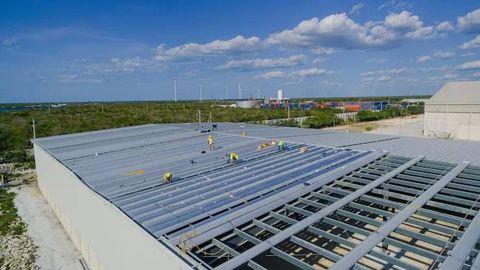
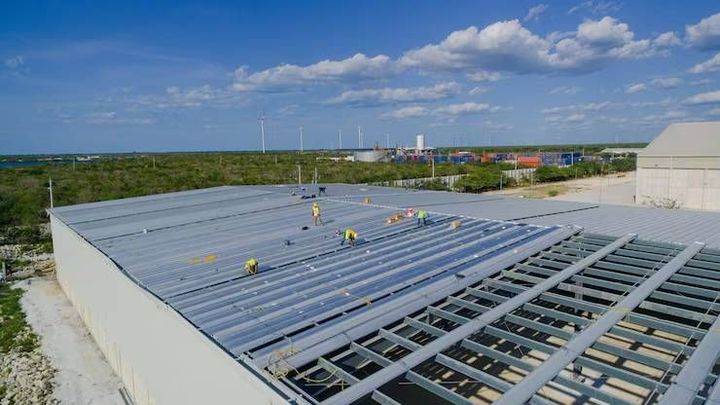
Metal roofing: Metal panels with appropriate joints, fasteners, flashing, and protective finishes.
Roof coatings: Surface treatments that may improve weather resistance or reflectivity when compatible with the existing roof.
These systems have different installation requirements, maintenance needs, and performance characteristics. Their suitability should be assessed according to the building's design and the condition of the roof structure.
Importance
Why Commercial Roof Protection Matters
Commercial roofs protect building interiors, equipment, inventory, and occupants from environmental exposure. Water penetration can damage insulation, ceilings, electrical installations, stored materials, and interior finishes. Persistent moisture may also contribute to mold growth, corrosion, and deterioration of structural components.
Effective roof protection can help reduce unexpected maintenance interruptions and preserve the building envelope. It also supports business continuity in facilities where moisture or temperature changes may affect machinery, stored products, or sensitive equipment.
Common Roofing Problems
Commercial roofs can develop problems for several reasons, including aging materials, poor drainage, installation defects, movement around joints, and damage caused by maintenance activities.
Common warning signs include:
Water stains on ceilings or interior walls.
Ponding water that remains after rainfall.
Cracked coatings or separated membrane seams.
Damaged flashing around pipes and rooftop equipment.
Rust or corrosion around metal roof components.
Loose fasteners or lifting roof edges.
Deteriorated sealants around penetrations.
These signs do not always reveal the full extent of the damage. A visible leak may originate some distance from the interior location where water appears, so inspection should consider the entire roof assembly.
Factors Affecting Roof Performance
Roof performance depends on the quality of materials, installation methods, drainage design, exposure conditions, and maintenance practices. Roofs in hot climates may experience intense ultraviolet exposure and thermal movement, while buildings in rainy regions may face persistent moisture and drainage challenges.
Wind exposure, rooftop equipment, foot traffic, and structural movement can also affect waterproofing systems. Selecting materials according to the building's actual conditions is therefore important for reliable long-term protection.
Recent Updates
Reflective Roofing and Energy Efficiency
During 2024–2026, commercial roofing developments have continued to emphasize reflective materials, improved insulation, sustainable roofing systems, and more structured maintenance planning. Reflective or cool roofing materials are designed to reflect more sunlight and absorb less solar heat than comparable conventional surfaces. Their actual effect on indoor temperatures and energy consumption depends on climate, insulation, building use, and the existing cooling system.
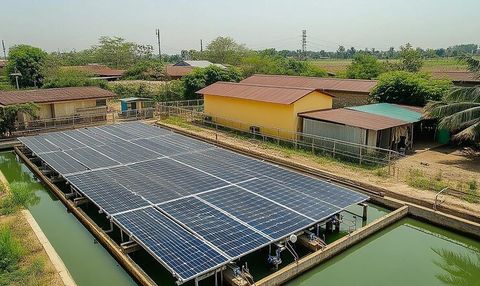
Some commercial buildings also integrate rooftop solar panels or vegetated roof systems. These additions require careful coordination with waterproofing, drainage, structural capacity, and maintenance access.
Digital Inspection and Roof Monitoring
Aerial imaging, digital roof plans, and inspection software can help building managers document defects and compare roof conditions over time. In suitable applications, sensors can also monitor moisture or identify changes that may require further investigation.
These technologies support inspection planning but do not replace physical assessment where detailed investigation is necessary. Roofing professionals still need to examine seams, flashing, drainage outlets, and concealed areas when diagnosing leaks.
Laws or Policies
Building Codes and Waterproofing Standards
Commercial roof protection must comply with applicable building regulations, structural requirements, fire safety provisions, and local construction rules. Requirements vary according to the building's location, use, height, roof design, and applicable regulatory framework.
In India, the Bureau of Indian Standards publishes the National Building Code of India, which provides guidance covering building construction, structural safety, materials, fire protection, and sustainability. Relevant Indian Standards also address particular waterproofing methods, including bitumen-felt roof systems. Project teams should verify which standards and local requirements apply to their specific work.
Safety During Roof Maintenance
Roof inspections and repairs can involve fall hazards, electrical equipment, hot materials, and potentially fragile roof surfaces. Maintenance activities should follow applicable occupational safety requirements and use suitable access equipment, fall protection, and trained personnel.
Building managers should also establish procedures for rooftop access, equipment isolation where necessary, and safe movement around skylights and roof openings.
Tools and Resources
Inspection and Maintenance Planning
A roof inspection checklist helps facility managers document the condition of roofing materials, drainage outlets, flashing, joints, and rooftop equipment. Inspection records should include the location of defects, photographs where appropriate, previous repairs, and any follow-up work required.
Useful tools include:
Roof plans and maintenance records.
Moisture detection equipment where appropriate.
Drainage inspection checklists.
Manufacturer installation and maintenance instructions.
Weather monitoring tools.
Digital defect tracking systems.
Comparing Waterproofing Materials
The following table summarizes common material types and their typical applications.
Material | Typical application | Main consideration |
|---|---|---|
TPO membrane | Low-slope commercial roofs | Seam integrity and installation quality |
EPDM membrane | Low-slope roofs | Joint detailing and compatibility |
Modified bitumen | Flat or low-slope roofs | Layer arrangement and surface protection |
Liquid-applied membrane | Complex roof details and suitable existing surfaces | Surface preparation and curing |
Polyurethane coating | Selected roof surfaces | Moisture conditions and substrate compatibility |
Metal roof panels | Industrial and commercial buildings | Fasteners, joints, corrosion, and flashing |
No material is suitable for every roof. Selection should account for existing materials, structural conditions, drainage, climate, manufacturer requirements, and applicable building regulations.
Preventive Maintenance Schedule
A maintenance plan should establish regular inspections and additional checks after severe weather or significant rooftop work. Inspection frequency depends on the roof system, age, exposure, and manufacturer's recommendations.
Maintenance commonly includes clearing drainage outlets, checking flashing, examining membrane seams, inspecting protective coatings, and documenting any deterioration. Repairs should address the underlying cause rather than simply covering visible damage.
FAQs
What is commercial roof waterproofing?
Commercial roof waterproofing involves installing or maintaining protective layers and sealed details that prevent water from entering a building through its roof assembly.
Which materials are used for commercial roof protection?
Common options include TPO, EPDM, modified bitumen, liquid-applied membranes, protective coatings, and metal roofing systems. Suitability depends on roof design, climate, substrate condition, and installation requirements.
How often should a commercial roof be inspected?
Inspection frequency depends on the roofing system and its exposure. Regular scheduled inspections and additional checks after severe weather can help identify drainage problems, damaged seams, and deteriorating flashing.
What causes leaks in commercial roofs?
Common causes include damaged membranes, failed joints, blocked drainage, deteriorated sealants, poor flashing details, and damage around rooftop equipment.
Can roof coatings repair an existing commercial roof?
Some coatings can protect suitable existing roof surfaces, but they cannot correct every defect. The roof may require moisture assessment, substrate preparation, drainage improvements, or more extensive repairs before a coating is appropriate.
Conclusion
Commercial roof protection combines waterproofing, weatherproofing, drainage management, suitable materials, and routine inspection. Effective planning considers the roof's structure, climate exposure, rooftop equipment, and applicable building requirements. Reflective materials and digital inspection tools are also influencing modern roofing maintenance. Consistent documentation and appropriate repair methods help building managers understand roof condition and maintain the building envelope.