Biometric Access Control Integration Basics With Fingerprint, Facial, and Identity Technology
Biometric access control integration is the process of connecting biometric identification technologies with systems that manage entry to buildings, restricted rooms, equipment areas, and digital environments.
These systems use distinctive human characteristics, such as fingerprints or facial features, to help verify whether a person is authorized to enter a particular location or access a protected resource.
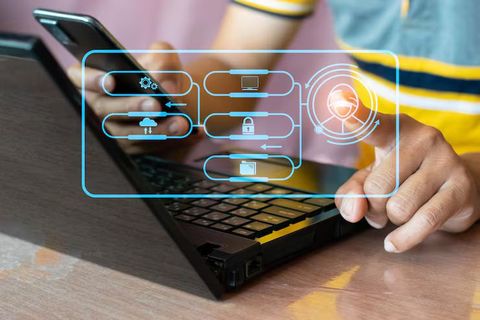
Traditional access control often relies on keys, identification cards, personal identification numbers, or passwords. Biometric technology adds another method by comparing a person's biometric information with a previously registered reference. When integrated with identity management software, electronic locks, security cameras, or attendance platforms, it can become part of a coordinated access management system.
The technology developed from research into automated pattern recognition, digital image processing, and electronic identity verification. Improvements in sensors, computing hardware, and software have made fingerprint scanners, facial recognition systems, and other biometric devices practical for a wider range of environments.
How Fingerprint, Facial, and Identity Technology Work
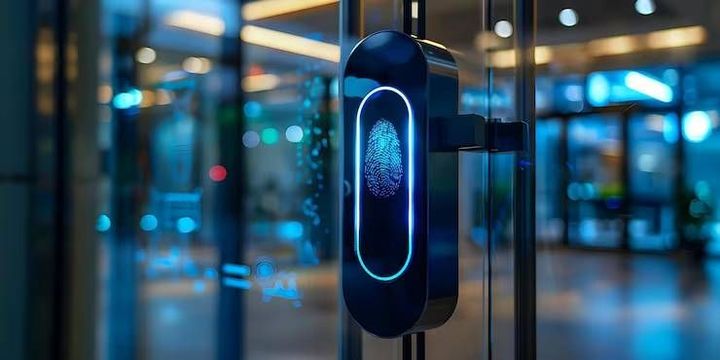
Fingerprint recognition examines the distinctive patterns and features found in a person's fingertip. A scanner captures an image or electronic representation, extracts relevant characteristics, and compares them with an enrolled biometric template. Depending on the device, fingerprint readers may use optical, capacitive, or other sensing methods.
Facial recognition analyzes selected characteristics of a face using a camera and an image-processing model. The system converts captured information into a numerical representation and compares it with an authorized reference. Lighting, camera position, image quality, and changes in appearance can affect performance.
Identity technology connects these biometric checks with information about a person's authorization. For example, an employee may have a registered identity, an assigned access level, and permission to enter certain rooms during specified hours.
Main Components of an Integrated System
A biometric access control system typically contains several connected components:
Biometric reader: Captures fingerprint or facial information.
Matching software: Compares captured information with enrolled templates.
Identity management platform: Associates a verified identity with permissions.
Access controller: Applies access rules and communicates with connected hardware.
Electronic lock or entry mechanism: Allows or denies physical entry.
Audit records: Store relevant access events according to system configuration and retention policies.
Integration allows these components to work together. However, verifying a biometric match does not automatically mean that a person has permission to enter every area. Identity verification and authorization are separate decisions.
Importance
Security and Access Management
Biometric access control integration can help organizations manage who enters particular locations and when access is permitted. It is relevant to offices, hospitals, educational institutions, industrial facilities, laboratories, data centers, and residential buildings with controlled entry points.
Using biometric verification alongside identity records can reduce dependence on physical keys and shared access codes. It can also help administrators review entry records and identify unusual access attempts, provided the system records these events appropriately.
However, biometric recognition is not infallible. Incorrect matches, rejected authorized users, stolen identity credentials, poorly configured permissions, and hardware failures can still create security problems.
Privacy and Everyday Users
Fingerprint and facial information are closely connected to an individual's identity. Unlike a password, a person's physical characteristics cannot simply be replaced when compromised, making the protection of biometric data especially important.
Organizations should explain why biometric information is collected, who can access it, how long it is retained, and how it is protected. Where practical and legally appropriate, they should also provide an alternative access method for people who cannot use a particular biometric reader.
Integration Challenges
Connecting different biometric devices to existing security infrastructure requires attention to compatibility and reliability. A fingerprint reader, facial recognition camera, identity database, and electronic lock may use different communication protocols or software interfaces.
Common implementation challenges include:
Compatibility with existing access controllers.
Accurate identity enrollment and record management.
Protection against unauthorized access to biometric templates.
Reliable operation during network or power interruptions.
Appropriate access permissions for different user groups.
Clear procedures for failed verification and emergency entry.
Planning for these challenges helps organizations assess the complete system rather than focusing only on the biometric reader.
Recent Updates
Advances in Biometric Recognition
During 2024–2026, biometric technology continued to develop through improvements in image processing, identity verification, presentation attack detection, and system interoperability. Presentation attack detection aims to identify attempts to deceive a biometric reader using materials such as printed photographs, artificial fingerprints, or other imitations.
The National Institute of Standards and Technology (NIST) published its revised Digital Identity Guidelines, SP 800-63-4, in 2025. The guidance addresses identity proofing, authentication, privacy, and risk management, reflecting the need to evaluate identity systems as complete processes rather than isolated devices.
Interoperability and Data Protection
Compatibility between devices has also received attention. NIST's ANSI/NIST-ITL 1-2025 standard updates the format used to exchange fingerprint, facial, and other biometric information, supporting more consistent handling of biometric records across compatible systems.
Another continuing trend is the use of multiple verification methods. For example, a system may require an access card and fingerprint verification for a restricted room. This approach combines possession of a credential with a biometric check, although the exact configuration should reflect the risks and operational needs of the environment.
Organizations are also paying greater attention to privacy reviews, data retention, cybersecurity monitoring, and the management of biometric information throughout its lifecycle.
Laws or Policies
Privacy and Personal Data Protection
Biometric access control is affected by privacy, cybersecurity, employment, and physical security requirements. Applicable rules depend on the country, the type of organization, the purpose of collection, and whether information is processed locally or transferred to another jurisdiction.
In India, the Digital Personal Data Protection Act, 2023, establishes a framework for processing digital personal data. The Digital Personal Data Protection Rules, 2025, were notified in November 2025, with implementation scheduled in phases. Organizations using biometric access systems need to assess the applicable provisions and their effective dates rather than assuming that every requirement applies immediately.
Security Controls and Responsible Use
Organizations should establish written procedures covering biometric enrollment, authorization, data retention, incident response, and removal of access when a person's authorization ends. Access to administrative tools and biometric databases should be restricted to personnel with an appropriate operational need.
Useful policy considerations include:
Purpose limitation: Collect biometric information for a clearly defined and lawful purpose.
Data minimization: Avoid collecting or retaining information that is unnecessary for that purpose.
Security safeguards: Apply appropriate encryption, access restrictions, monitoring, and backup procedures.
Retention and deletion: Establish documented rules for keeping and deleting biometric records.
User information: Explain how biometric data is handled and what alternative access arrangements may apply.
Incident response: Define how suspected data exposure, unauthorized entry, and system failures are handled.
Technical standards and industry guidance can support implementation, but they do not replace applicable legal obligations. Organizations should evaluate local requirements before deploying biometric access control in workplaces or public environments.
Tools and Resources
System Assessment and Planning Tools
Several tools can help organizations plan biometric access control integration and assess whether the system meets operational requirements. These include access control management platforms, identity directories, device compatibility documentation, network monitoring tools, and security assessment templates.
A system assessment should identify entry points, user groups, required permissions, expected operating conditions, and procedures for emergencies. This information can guide the selection of fingerprint readers, facial recognition devices, controllers, and supporting software.
Integration and Testing Resources
Before deployment, technical teams can review manufacturer documentation, application programming interface specifications, communication protocols, and relevant biometric testing standards. These resources help determine whether devices can exchange information reliably and whether the proposed configuration meets security requirements.
A practical testing checklist should cover:
Enrollment accuracy and record updates.
Authorized and unauthorized access attempts.
Performance under different lighting or environmental conditions.
Response during network and power interruptions.
Access logging and administrator permissions.
Backup entry procedures and recovery testing.
Biometric data deletion and retention controls.
Testing should include realistic operating conditions and documented acceptance criteria. Periodic reviews are also important because software updates, changes in personnel, and modifications to building access rules can affect system performance.
FAQs
What is biometric access control integration?
Biometric access control integration connects fingerprint or facial recognition technology with identity management software, access controllers, and electronic entry mechanisms to verify identities and apply access permissions.
How does fingerprint and facial recognition integration work?
A reader captures biometric information and compares it with an enrolled template. The integrated system then checks the person's permissions before allowing or denying access.
Is biometric access control secure?
It can strengthen access management, but its security depends on accurate configuration, protected biometric records, reliable hardware, appropriate permissions, and safeguards against spoofing and unauthorized access.
What laws apply to biometric access control in India?
Applicable requirements may include the Digital Personal Data Protection Act, 2023, its implementing rules, and other relevant privacy, cybersecurity, employment, or sector-specific provisions. Applicability depends on the processing activity and the effective dates of the relevant requirements.
Can biometric access control work without an internet connection?
Some systems can perform local verification and control connected locks without continuous internet access. Their capabilities depend on the device design, local databases, network architecture, and backup arrangements.
Conclusion
Biometric access control integration combines fingerprint recognition, facial recognition, identity management, and electronic entry controls within a coordinated security framework. Its effectiveness depends on reliable technology, appropriate permissions, compatibility, and careful protection of personal information. Developments in biometric standards and digital identity guidance continue to influence system design and implementation. Privacy obligations, operational testing, and alternative entry procedures remain important considerations throughout the system's lifecycle.