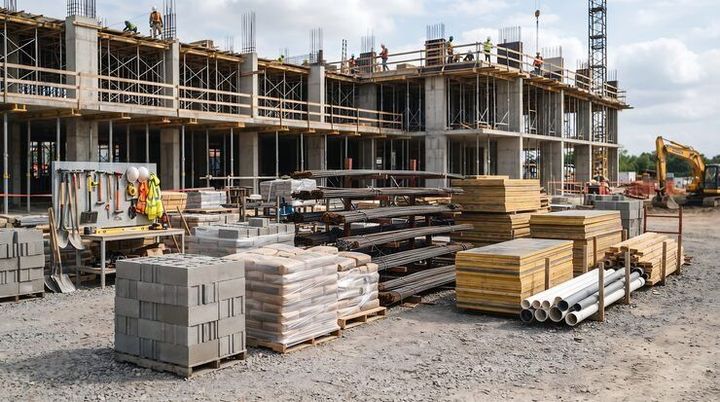
Construction Supply Explained: Building Materials, Equipment, Types, Uses and Selection Factors
Construction supply refers to the building materials, equipment, tools, and supporting products used to construct, repair, and maintain buildings, roads, bridges, and other infrastructure. These supplies form the foundation of residential, commercial, and industrial construction projects. Their use has developed alongside traditional building practices, from stone, timber, and clay structures to modern construction involving reinforced concrete, structural steel, engineered wood, and advanced building systems.
Context
Construction supply refers to the building materials, equipment, tools, and supporting products used to construct, repair, and maintain buildings, roads, bridges, and other infrastructure. These supplies form the foundation of residential, commercial, and industrial construction projects. Their use has developed alongside traditional building practices, from stone, timber, and clay structures to modern construction involving reinforced concrete, structural steel, engineered wood, and advanced building systems.
Today, construction supply includes a broad range of products, from cement and bricks to cranes, excavators, electrical components, plumbing systems, and protective equipment. The selection depends on the type of project, site conditions, building design, local regulations, and construction methods. Understanding these categories helps property owners, contractors, architects, engineers, and general readers understand how building projects are planned and completed.
Main Categories of Construction Supply
Construction supplies can be grouped according to their purpose and stage of use. Common categories include:
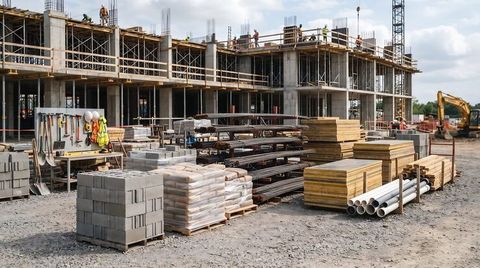
Building materials: Cement, concrete, bricks, steel, timber, glass, roofing materials, and insulation.
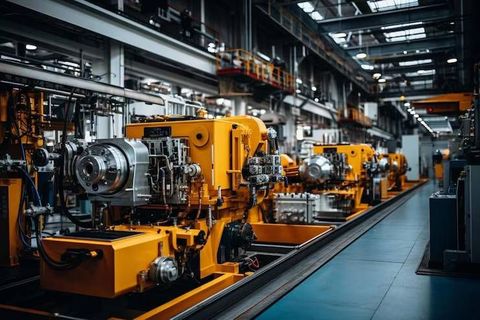
Construction equipment: Excavators, bulldozers, cranes, loaders, concrete mixers, and lifting equipment.
Hand and power tools: Hammers, drills, saws, grinders, measuring tools, and fastening equipment.
Electrical and plumbing materials: Cables, conduits, pipes, valves, fittings, switches, and distribution components.
Finishing materials: Tiles, paints, flooring, plaster, sealants, and decorative surfaces.
Safety equipment: Helmets, protective footwear, gloves, eye protection, harnesses, and warning barriers.
Each category serves a different function. Structural materials support loads, finishing products protect or improve surfaces, and construction equipment helps workers move materials and complete tasks.
How Construction Supplies Are Used
Construction supplies are selected according to the stage of a project. Site preparation may require earthmoving equipment, drainage pipes, and temporary barriers, while foundation work involves excavation, reinforcement steel, formwork, and concrete. Later stages may require roofing products, insulation, electrical wiring, plumbing fittings, doors, and interior finishes.
The quantity and specifications of materials are usually determined through construction drawings, engineering calculations, site measurements, and project plans. For example, concrete requirements depend on the dimensions of the structure and the specified mix, while reinforcement steel depends on structural design. These calculations help coordinate deliveries and reduce unnecessary material waste.
Importance
Construction supply plays an important role in housing, commercial development, transportation networks, and public infrastructure. Material availability and equipment readiness influence construction schedules, worker safety, structural performance, and the ability to complete planned activities. Delays in essential supplies can interrupt several connected stages of a project.
The subject also affects homeowners and communities. Suitable roofing, insulation, drainage, and waterproofing materials can influence a building's resistance to weather, while correctly specified electrical and plumbing components support safe building operation. Inappropriate materials or incorrect installation can contribute to damage, maintenance problems, and safety risks.
Factors Affecting Construction Supply Requirements
Construction supply requirements differ between projects because buildings face different loads, weather conditions, and usage demands. Several factors influence material and equipment selection:
Project type: Houses, factories, warehouses, roads, and bridges require different combinations of materials and machinery.
Structural requirements: Load capacity, strength, durability, and building design determine material specifications.
Climate and environment: Rainfall, humidity, temperature changes, wind, and exposure to chemicals affect material suitability.
Site conditions: Soil type, available space, access routes, and ground stability influence equipment selection.
Delivery planning: Storage space, transport access, material quantities, and delivery timing affect site coordination.
Safety requirements: Equipment operation, material handling, and installation methods must account for relevant safety rules.
Construction planning also involves balancing durability, environmental effects, availability, and maintenance requirements. A material suitable for an indoor partition may not be appropriate for a load-bearing wall or an outdoor structure exposed to heavy rainfall.
Comparing Common Construction Materials
The following table describes widely used materials and their typical applications.
| Material | Common uses | Main selection considerations |
|---|---|---|
| Cement and concrete | Foundations, floors, structural elements | Strength requirements, mix design, curing |
| Structural steel | Frames, beams, reinforcement | Grade, load requirements, corrosion protection |
| Bricks and blocks | Walls, partitions, boundary structures | Strength, dimensions, thermal performance |
| Timber | Roof structures, doors, interior elements | Moisture resistance, treatment, intended load |
| Glass | Windows, facades, partitions | Safety rating, thickness, thermal performance |
| Insulation | Roofs, walls, temperature control | Thermal properties, moisture, fire performance |
| Roofing materials | Roof coverings and weather protection | Climate, slope, durability, installation method |
These materials are not interchangeable in every application. Their suitability depends on the design, applicable standards, installation details, and the conditions in which the finished structure will operate.
Recent Updates
Construction supply practices continue to change as builders respond to material efficiency, environmental concerns, digital planning, and developments in construction equipment. Trends observed from 2024 through 2026 include greater attention to lower-carbon materials, improved material tracking, prefabricated building components, and equipment designed to reduce fuel consumption or improve operating efficiency. Adoption varies according to project budgets, local infrastructure, and regulatory requirements.
Sustainable and Modern Building Materials
Some construction projects increasingly consider supplementary cementitious materials, recycled aggregates, reclaimed timber, recycled metals, and other products that can reduce the use of newly extracted resources. Low-carbon concrete approaches may involve alternative binders, optimized concrete mixes, or changes in manufacturing processes. Their environmental benefits depend on the materials, production methods, transport distances, and final application.
Energy-efficient insulation, reflective roofing, efficient glazing, and improved building envelopes are also relevant to modern construction. These products can influence indoor comfort and heating or cooling requirements. However, their performance depends on climate, building design, correct installation, and ongoing maintenance.
Digital Tools and Construction Equipment
Digital procurement systems and inventory software help project teams track material quantities, delivery schedules, stock levels, and purchase records. Building Information Modeling (BIM) can connect digital building designs with material quantities and project coordination. When project information is accurate, these tools can help identify supply conflicts and reduce avoidable waste.
Construction equipment is also evolving. Some manufacturers are introducing electric compact machinery, hybrid systems, improved operator-assistance features, and equipment monitoring technology. These developments may help reduce certain emissions or improve visibility into equipment use, but performance depends on the machine, operating conditions, energy source, and maintenance practices.
Laws or Policies
Construction supplies in India are influenced by building regulations, product standards, workplace safety requirements, environmental rules, and local approval procedures. Requirements vary according to the material, project type, location, and intended use. Compliance generally involves coordination among project owners, designers, contractors, suppliers, and relevant authorities.
Building Codes and Material Standards in India
The National Building Code of India provides guidance and provisions for building planning, structural safety, fire safety, building services, and related technical matters. Local authorities may apply relevant requirements through building regulations, development rules, and approval procedures.
The Bureau of Indian Standards (BIS) develops Indian Standards for many construction materials and products. Depending on the product and applicable regulations, a particular standard or conformity requirement may be mandatory. Cement, steel, electrical components, and other regulated products may have specific requirements that should be verified before use.
Structural design and material specifications must also reflect the intended building use and relevant engineering requirements. Using a product with a familiar name does not automatically establish that it is suitable for a particular structural application.
Safety, Environmental, and Quality Requirements
Construction activities in India may be subject to applicable occupational safety rules, environmental regulations, and state or local requirements. Depending on the project, these may cover worker protection, machinery operation, dust control, waste handling, noise, and site management.
The Construction and Demolition Waste Management Rules, 2016, established a framework for managing waste generated by construction, renovation, and demolition. Applicable responsibilities and current requirements should be checked against the rules and subsequent amendments or replacements in force.
Before materials are incorporated into a project, relevant documentation may include product specifications, test reports, conformity markings where required, and supplier records. Qualified professionals should determine whether a product meets the project's technical and regulatory requirements.
Tools and Resources
Construction supply planning uses a combination of technical references, quantity calculations, digital platforms, and inventory records. These resources help organize material requirements and support coordination between design, procurement, and construction activities.
Construction Calculators and Planning Tools
Material calculators estimate quantities based on project dimensions and specified material properties. A concrete volume calculator, for example, uses length, width, and depth to estimate the volume needed for a slab or foundation. Brick, tile, paint, and flooring calculators use dimensions and application assumptions to estimate quantities.
These estimates should account for design specifications, packaging units, cutting losses, and appropriate allowances for waste. A calculator does not replace engineering calculations or professional review where structural safety is involved.
Standards and Digital Platforms
The following resources have different purposes:
Bureau of Indian Standards (BIS): Information about Indian Standards and applicable product conformity requirements.
National Building Code of India: Technical provisions and guidance relating to building design and safety.
Building Information Modeling (BIM) software: Digital building models and coordinated material quantities.
Inventory and procurement software: Stock records, supplier information, purchase documentation, and delivery tracking.
Spreadsheet templates: Material schedules, quantity estimates, delivery dates, inspection records, and stock balances.
A construction material schedule commonly records the product description, required specification, unit of measurement, planned quantity, delivery status, inspection details, and storage location. Keeping these details organized can improve communication and help identify shortages before they interrupt work.
FAQs
What are the main types of construction supply?
The main types include building materials, construction equipment, hand and power tools, electrical and plumbing components, finishing products, and safety equipment. Each category supports a different stage of construction.
How are construction materials selected for a building project?
Selection depends on structural requirements, building design, climate, site conditions, durability, applicable standards, and installation methods. Qualified professionals determine the specifications required for structural and safety-critical applications.
Which construction equipment is commonly used on building sites?
Common equipment includes excavators, loaders, cranes, bulldozers, concrete mixers, compactors, and lifting machinery. The equipment used depends on site access, project scale, ground conditions, and the work being performed.
What construction supply standards apply in India?
Relevant requirements may include Indian Standards issued by BIS, applicable building regulations, structural design provisions, and product-specific conformity rules. The precise requirements depend on the material and its intended application.
How can construction supply quantities be estimated?
Quantities can be estimated from drawings, measurements, material specifications, and suitable calculators or spreadsheets. Structural materials and complex projects may require calculations and verification by qualified professionals.
Conclusion
Construction supply includes the materials, equipment, tools, and components required for building and infrastructure projects. Selection depends on project design, structural requirements, site conditions, environmental factors, and applicable standards. Digital planning tools and evolving material technologies are changing how construction teams coordinate supplies and manage resources. Understanding these factors provides a foundation for interpreting construction processes and the role of materials in safe, durable structures.